
Extend Your Tools’ Lifespan: Essential Guide to Carbide Bur Shapes and Secure Fittings
Switching carbide bur shapes without tightening the collet nut fully is a common mistake that can cost you your tools. Loose fittings cause vibration that cracks the bur’s shank, cutting your tool lifespan short. Getting the collet nut secure doesn’t just protect your carbide bur—it smooths out your grinding performance. This guide will show you how simple die grinder maintenance can save your tools and improve every cut you make. For more tips, check out this essential guide.
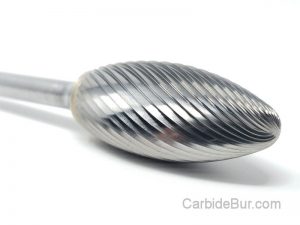
Looking for Carbide Bur Tools?
Check out our entire selection of USA made carbide bur die grinder tool bits
Understanding Carbide Bur Shapes
Choosing the right carbide bur shapes is key to achieving precise results. This section explores how different shapes suit different jobs.
Different Types for Different Jobs
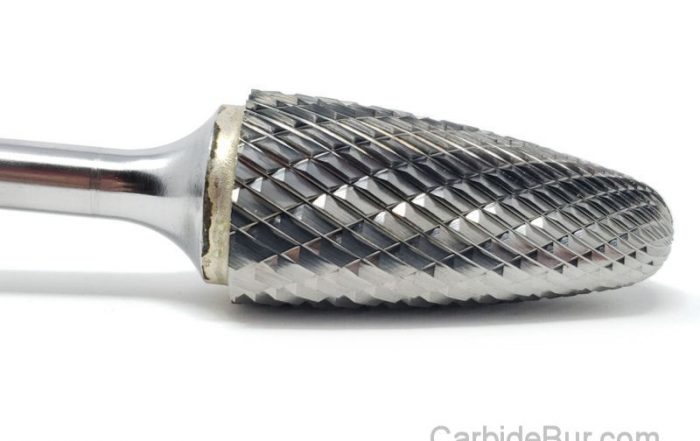
Every project has its perfect match when it comes to bur shapes. Cylindrical burs are great for surface leveling, while round burs excel in creating hollow spaces. Tree-shaped burs work wonders in rounding and beveling edges. You can find more about this in the Ultimate Guide to Caring for Your Carbide Burs.
Switching between these shapes without knowing their specific purposes can lead to poor results. Imagine trying to smooth a flat surface with a round bur—it’s not efficient. Keep in mind: the right shape reduces wear and tear on both the tool and the material.
Choosing the Right Shape
Selecting the correct shape involves understanding the task at hand. Ask yourself: What is the end goal? For deburring, opt for a ball-shaped bur. For enlarging holes, go with a tapered shape. Proper selection not only enhances your work but also saves time.
Experimenting with different shapes builds familiarity and confidence. It’s like finding the perfect tool for each task in your workshop. Don’t rush; take the time to know what works best for your specific needs. This approach will elevate your craftsmanship.
Die Grinder Maintenance Essentials
Once you’ve got the right bur shape, maintaining your die grinder ensures long-lasting performance. Let’s delve into the basic maintenance essentials.
Importance of Regular Checks
Regular inspections keep your equipment in top shape and prevent costly repairs. Checking for loose parts and worn-out elements is crucial. 60% of tool failures result from neglecting these simple checks. More insights can be found here.
A quick daily inspection can reveal potential issues before they escalate. Look for any unusual noises or vibrations, as these can signal deeper problems. By catching these early, you avoid damage and maintain your tool’s efficiency.
Cleaning and Lubrication Basics
Keeping your tools clean extends their lifespan significantly. Dust and debris can cause friction, leading to premature wear. Make it a habit to clean your die grinder after each use. Check out these cleaning techniques.
Lubrication is equally important. A well-lubricated grinder operates smoothly and reduces heat buildup. Use the right oil, and apply sparingly to avoid attracting more debris. This simple step keeps your equipment running smoothly and reliably.
Securing the Collet Nut
Securing the collet nut is often overlooked, yet it’s a crucial step in tool maintenance. Let’s explore the tools and techniques you need.
Tools and Techniques for Tightening
A loose collet nut causes vibration, leading to damage. Always use the supplied wrench for tightening. 90% of professionals recommend a snug fit without over-tightening. This ensures a secure hold without risking thread damage.
Practice the proper technique by holding the tool steady and tightening in small increments. This method reduces stress on the components and prolongs their lifespan. Consistent practice makes this task second nature.
Avoiding Vibration and Damage
Vibration is a silent tool killer. It weakens the bur shank and affects your work quality. Ensure your collet nut is securely fastened to avoid this issue. If you notice any wobbling during operation, stop and check the fitting immediately.
Ignoring vibration signs can lead to irreversible damage. Addressing it promptly keeps your equipment in optimal condition. Remember, a secure collet nut is your first line of defense against vibration.
Enhancing Grinding Performance
With maintenance covered, let’s focus on techniques to boost your grinding performance. Proper handling and care make all the difference.
Techniques for Smooth Operation
Smooth operation starts with a steady hand and the right speed. Adjust your grinder’s speed to match the material you’re working on. Slower speeds prevent overheating and ensure cleaner cuts.
Use a gentle touch—let the tool do the work. Pressing too hard creates unnecessary stress on the bur and the grinder. Proper handling enhances performance and extends the life of your tools.
Benefits of Proper Tool Maintenance
Regular maintenance brings numerous benefits: improved performance, extended lifespan, and reduced repair costs. When tools run smoothly, your projects reflect that quality. This not only saves you time but also elevates your craftsmanship.
Most people think maintenance is tedious, but the rewards far outweigh the effort. A well-maintained tool is a reliable partner in any project. Invest in proper care for lasting returns.
Extending Tool Lifespan
Finally, let’s look at ways to extend the lifespan of your tools through preventive measures and smart practices.
Tips for Long-Lasting Tools
Consistency is key. Develop a routine that includes cleaning, inspection, and lubrication. Store your tools in a dry, dust-free environment. These simple habits make a significant difference.
Consider investing in quality protective gear for your tools. Cases and covers shield them from dust and impact, adding years to their life. A small investment today prevents bigger costs tomorrow.
Preventing Common Wear and Tear
Understand the signs of wear and tear: dull edges, reduced performance, and unusual noise. Addressing these early prevents further damage. Regularly sharpen your burs and replace worn-out parts promptly.
Education is your best tool. Stay informed about best practices and new techniques. Join communities and forums, like this one on Facebook, to learn from other enthusiasts. Sharing knowledge empowers you to maintain your tools effectively.
By focusing on these key areas, you ensure your tools serve you well for years. Prioritize maintenance and secure fittings for best results in all your grinding tasks.
Looking for Carbide Bur Tools?
Check out our entire selection of USA made carbide bur die grinder tool bits
Follow us on Twitter

Return to CarbideBur.com
Carbide Burs – 1/4″ on 1/8″ Shanks – Accessories – Aluminum Cut – Bur Sets – End Mills – Long Shank – Solid Burs
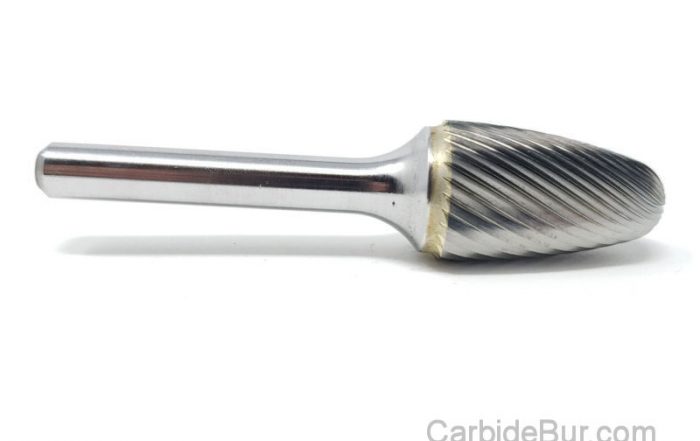
How to Grind a Groove in Metal With a Carbide Burr
How to Grind a Groove in Metal With a Carbide Burr Most metalworkers struggle to cut clean grooves without wasting time or ruining their workpiece. Many try different metalworking tools but end up with uneven [...]
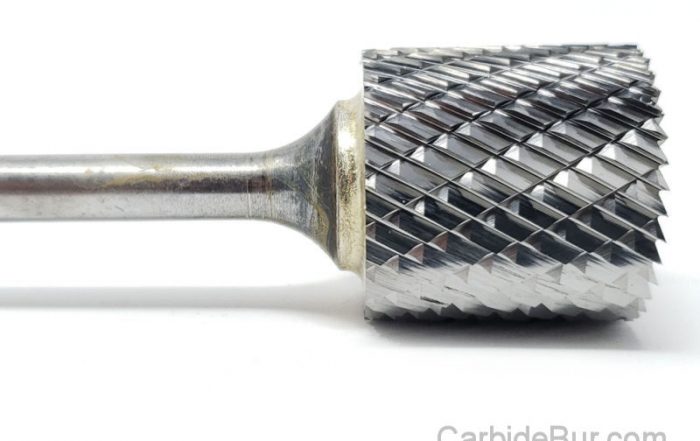
Can Carbide Burrs Cut Through Welds?
Can Carbide Burrs Cut Through Welds? Cutting through welds can feel like a battle, especially when you need clean results without harming the base metal. Carbide burrs offer a sharp edge in this fight, but [...]
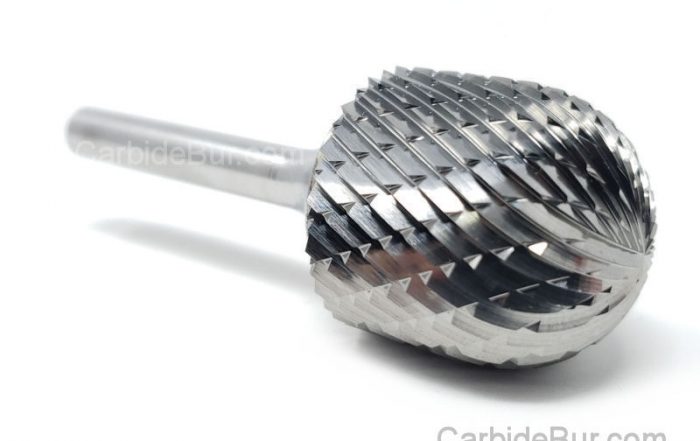
How to Use a Carbide Burr With a Die Grinder
How to Use a Carbide Burr With a Die Grinder Most people treat a carbide burr like just another tool, but using it with a die grinder takes skill. If you’ve struggled with burr installation [...]
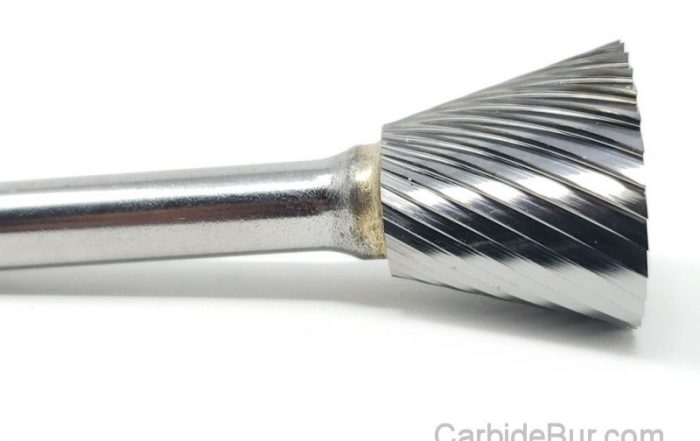
1/8 vs 1/4 Inch Carbide Burrs: What’s the Difference?
1/8 vs 1/4 Inch Carbide Burrs: What's the Difference? Choosing between a 1/8 inch carbide burr and a 1/4 inch carbide burr can change how your project turns out. Many machinists and hobbyists overlook how [...]
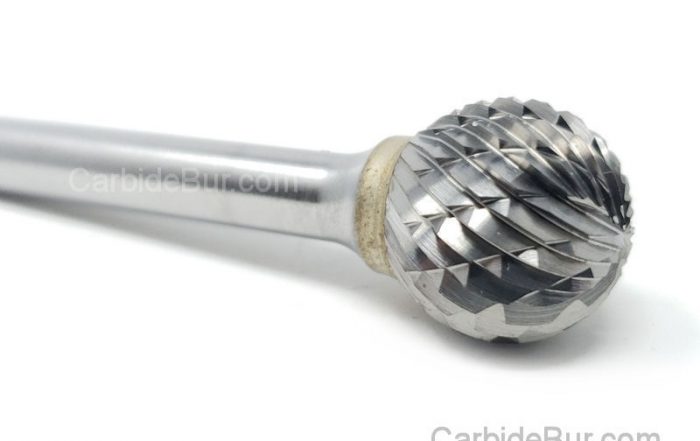
Best Carbide Burr for Removing Flash From Castings
Best Carbide Burr for Removing Flash From Castings Removing flash from castings is a task that can slow down your entire metalworking process if you don’t have the right tools. Picking the best carbide burr [...]
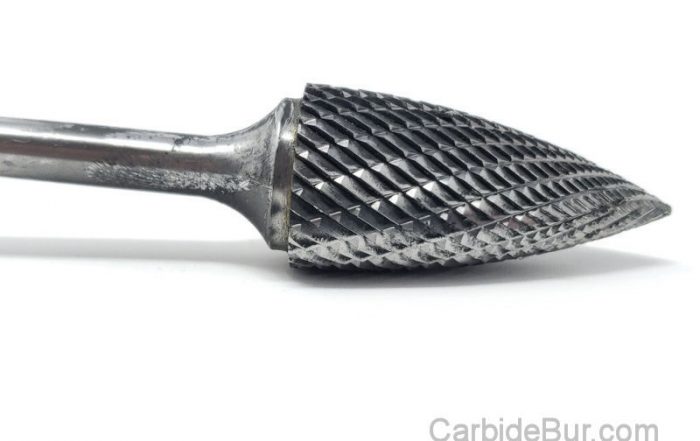
What RPM Should You Use for a 1/4 Inch Carbide Burr?
What RPM Should You Use for a 1/4 Inch Carbide Burr? Most machinists guess the right speed for a 1/4 inch carbide burr and hope for the best. Using the wrong carbide burr RPM can [...]
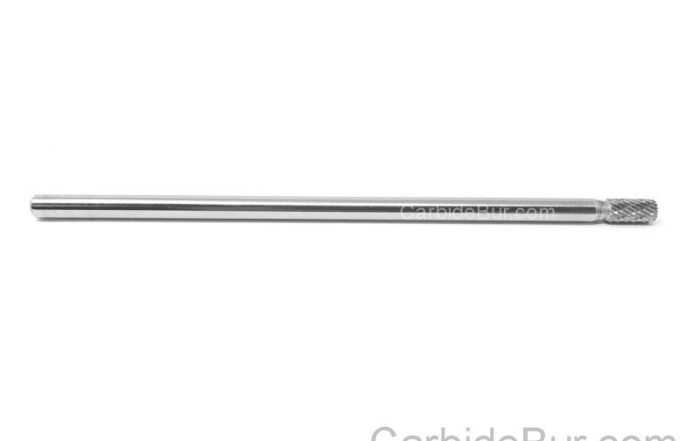
Long Shank Carbide Burrs: When Do You Need One?
Long Shank Carbide Burrs: When Do You Need One? Most machinists overlook the power of long shank carbide burrs until a project demands precision in tight spaces. When your usual tools can’t reach intricate contours, [...]
How Deep Can a Carbide Burr Cut Metal?
How Deep Can a Carbide Burr Cut Metal? Carbide burrs often get praised for their precision, but many users hit a wall wondering how deep they can actually cut metal. The truth is, cutting depth [...]
How to Use Carbide Burrs for Port Matching
How to Use Carbide Burrs for Port Matching Most engine builds hit a wall when airflow doesn’t flow smoothly between the ports and manifolds. If your engine isn’t breathing right, your performance stalls. Using the [...]
Best Carbide Burr for Porting Intake Manifolds
Best Carbide Burr for Porting Intake Manifolds Porting intake manifolds can make or break your engine’s airflow, yet many struggle with the right tools for the job. Choosing the best carbide burrs is key to [...]
Best Carbide Burr for Concave Surfaces
Best Carbide Burr for Concave Surfaces Concave surfaces can turn a straightforward project into a frustrating challenge if you don’t have the right tool. Carbide burrs designed for these tricky curves make all the difference [...]
How to Grind a Slot in Metal With a Carbide Burr
How to Grind a Slot in Metal With a Carbide Burr Grinding a precise slot in metal can feel like a tricky task, especially if you’re unsure which tools to trust. Carbide burr grinding offers [...]
