
Optimize Your Machining Efficiency: Solving Carbide Burr Loading on Aluminum
Carbide burrs clogging up while working with aluminum is a problem you’ve likely faced more than once. Aluminum’s softness and sticky residue create a buildup that slows your work and wears down your tools. Understanding how tool speed, feed rate, and burr design play into this can save you time and keep your carbide burrs cutting clean. Let’s break down what causes burr loading and share metalworking tips that help you keep your process smooth and productive. For more insights, you can check out this guide on specialized techniques using carbide burrs on aluminum.
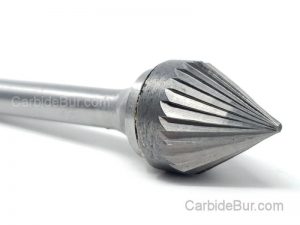
Which carbide bur tool shape do you use most?
Understanding Carbide Burrs and Aluminum
To tackle burr loading, it’s essential to first understand aluminum and carbide burrs.
Properties of Aluminum
Aluminum is a popular choice in many industries. It’s known for being lightweight yet sturdy. However, its softness can lead to challenges during machining. When cutting or shaping aluminum, the metal can produce a sticky residue. This residue often clogs the tools you’re using, slowing down your work significantly.
-
Softness: Aluminum’s soft nature is appealing for ease of shaping.
-
Residue Production: The metal tends to leave a sticky residue that can build up on tools.
-
Thermal Conductivity: Aluminum conducts heat well, which can affect cutting processes.
Understanding these properties helps anticipate and mitigate the issues you might encounter. For more information on optimizing aluminum machining, visit MSC Direct’s knowledge center.
Characteristics of Carbide Burrs
Carbide burrs are a staple in metalworking. They’re durable and effective for shaping and cutting. Here are some key points:
-
Durability: Carbide burrs last longer than most cutting tools.
-
Precision: They offer precise cuts, ideal for detailed work.
-
Variety: Available in many shapes and sizes for different tasks.
These characteristics make carbide burrs a preferred choice. Yet, they can still face challenges, especially with sticky metals like aluminum. For a comprehensive guide on choosing the right carbide burr, check out this resource.
Causes of Burr Loading
Understanding the causes of burr loading can help you minimize tool downtime and improve efficiency.
Tool Speed and Its Effects
Tool speed plays a crucial role in cutting efficiency. If you’re cutting too fast or too slow, it can lead to burr loading.
-
High Speeds: Cutting at high speeds can generate more heat. This heat can cause aluminum to become stickier, leading to more residue buildup.
-
Low Speeds: Going too slow might not remove material effectively, resulting in clogged burrs.
It’s vital to find the right balance. You can read more about mastering carbide burr RPM settings here.
Impact of Feed Rate
The feed rate is another factor that influences burr loading. It refers to how fast the material is fed into the cutting tool.
-
Fast Feed Rate: Can lead to increased friction and heat, worsening burr loading.
-
Slow Feed Rate: Might cause inefficient cutting and tool clogging.
Adjusting the feed rate can help manage residue buildup and improve cutting precision.
Role of Burr Design
The burr design you choose can greatly affect how well your tool performs with aluminum.
-
Flute Design: Different flute patterns can handle material differently. Opt for designs that allow better chip removal.
-
Size and Shape: Select burrs that are suited for the specific type of cut you need.
Choosing the right burr design can reduce the risk of loading and extend the life of your tools.
Practical Solutions for Machinists
Implementing practical solutions can make a significant difference in your metalworking processes.
Adjusting Tool Speed
Finding the optimal tool speed can prevent burr loading. Here’s how:
-
Start Slow: Begin at a lower speed to see how the material reacts.
-
Gradually Increase: Adjust the speed incrementally to find the sweet spot.
-
Monitor Heat: If the tool gets too hot, reduce the speed.
Fine-tuning your tool speed can enhance the cutting process, minimizing residue buildup.

Modifying Feed Rate
Adjusting the feed rate is another effective way to manage burr loading.
-
Test Different Rates: Experiment with various feed rates to see which works best.
-
Observe Results: Keep an eye on the material’s behavior and adjust accordingly.
Effective feed rate management can lead to smoother cuts and less tool clogging.
Selecting the Right Burr Design
Choosing the correct burr design is crucial for successful aluminum machining.
-
Consider Flute Patterns: Opt for designs that promote efficient chip removal.
-
Match Task Needs: Select sizes and shapes based on your specific project requirements.
A well-chosen burr design can lead to cleaner cuts and longer tool life.
Enhancing Machining Efficiency
Enhancing your machining process involves more than just solving burr loading issues.
Maintenance Tips for Burr Performance
Regular maintenance ensures that your tools perform at their best.
-
Clean Regularly: Remove any residue after each use.
-
Inspect for Damage: Check for wear and replace burrs as needed.
-
Store Properly: Keep tools in a dry and safe place to prevent damage.
Maintaining your tools can extend their life and improve performance.
Best Practices in Aluminum Machining
Adopting best practices can lead to more efficient machining processes.
-
Use Lubricants: Lubricants can reduce friction and heat.
-
Stable Setup: Ensure your workpiece is securely fastened.
-
Consistent Monitoring: Regularly check the tools and materials for any issues.
Following these practices can lead to smoother and more efficient metalworking.
Expert Metalworking Tips
Gaining insights from experts can further enhance your skills and processes.
Avoiding Common Mistakes
Avoiding common pitfalls can save time and resources.
-
Rushing the Process: Take your time to set up and monitor.
-
Ignoring Maintenance: Regular checks prevent future issues.
-
Overlooking Material Properties: Understand the materials you are working with.
Being aware of these mistakes can help you work more efficiently and effectively.
Leveraging Professional Insights
Professional insights can offer fresh perspectives on your work.
-
Seek Expert Advice: Reach out to experienced machinists for tips.
-
Stay Updated: Keep up with the latest trends and techniques.
-
Experiment: Don’t shy away from trying new methods.
Leveraging professional insights can elevate your skills and results in metalworking. For more expert tips on optimizing aluminum machining speed, visit this resource.
By understanding these elements and implementing these solutions, you can significantly improve your machining efficiency and ensure the longevity of your tools.
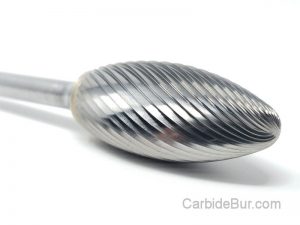
Looking for Carbide Bur Tools?
Check out our entire selection of USA made carbide bur die grinder tool bits
Follow us on Twitter

Return to CarbideBur.com
Carbide Burs – 1/4″ on 1/8″ Shanks – Accessories – Aluminum Cut – Bur Sets – End Mills – Long Shank – Solid Burs
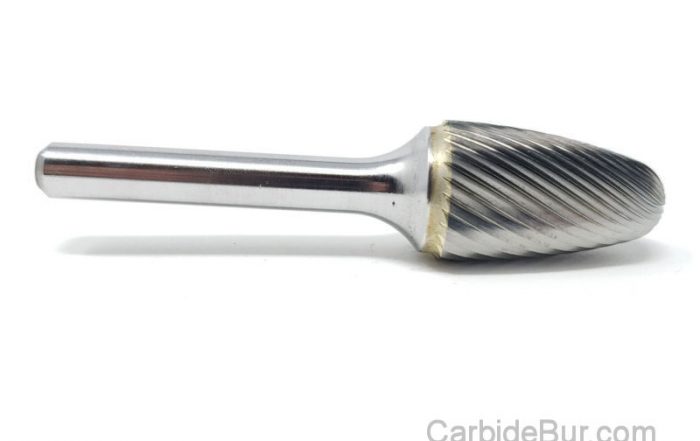
How to Grind a Groove in Metal With a Carbide Burr
How to Grind a Groove in Metal With a Carbide Burr Most metalworkers struggle to cut clean grooves without wasting time or ruining their workpiece. Many try different metalworking tools but end up with uneven [...]
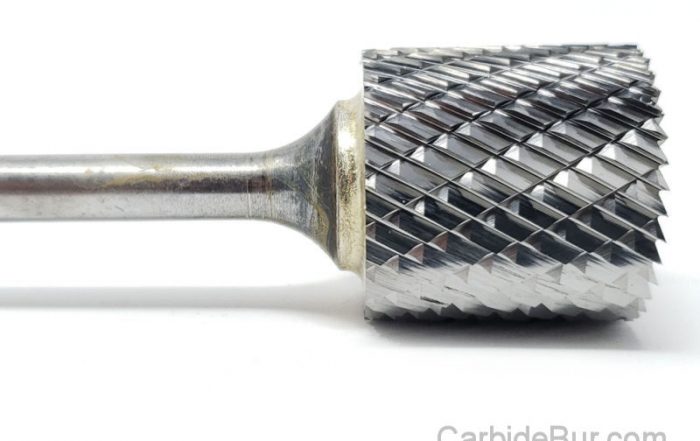
Can Carbide Burrs Cut Through Welds?
Can Carbide Burrs Cut Through Welds? Cutting through welds can feel like a battle, especially when you need clean results without harming the base metal. Carbide burrs offer a sharp edge in this fight, but [...]
How to Use a Carbide Burr With a Die Grinder
How to Use a Carbide Burr With a Die Grinder Most people treat a carbide burr like just another tool, but using it with a die grinder takes skill. If you’ve struggled with burr installation [...]
1/8 vs 1/4 Inch Carbide Burrs: What’s the Difference?
1/8 vs 1/4 Inch Carbide Burrs: What's the Difference? Choosing between a 1/8 inch carbide burr and a 1/4 inch carbide burr can change how your project turns out. Many machinists and hobbyists overlook how [...]
Best Carbide Burr for Removing Flash From Castings
Best Carbide Burr for Removing Flash From Castings Removing flash from castings is a task that can slow down your entire metalworking process if you don’t have the right tools. Picking the best carbide burr [...]
What RPM Should You Use for a 1/4 Inch Carbide Burr?
What RPM Should You Use for a 1/4 Inch Carbide Burr? Most machinists guess the right speed for a 1/4 inch carbide burr and hope for the best. Using the wrong carbide burr RPM can [...]
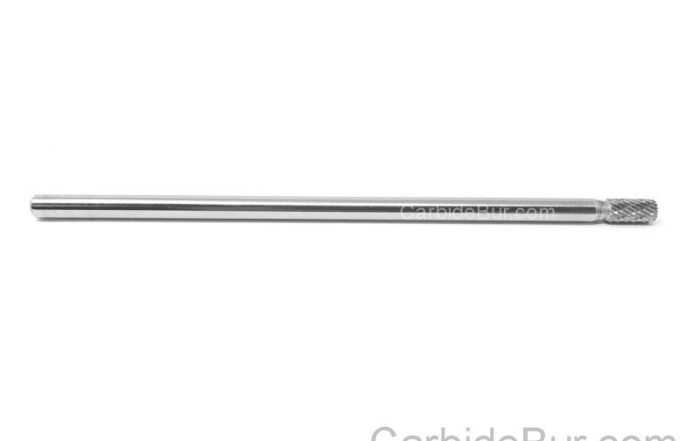
Long Shank Carbide Burrs: When Do You Need One?
Long Shank Carbide Burrs: When Do You Need One? Most machinists overlook the power of long shank carbide burrs until a project demands precision in tight spaces. When your usual tools can’t reach intricate contours, [...]
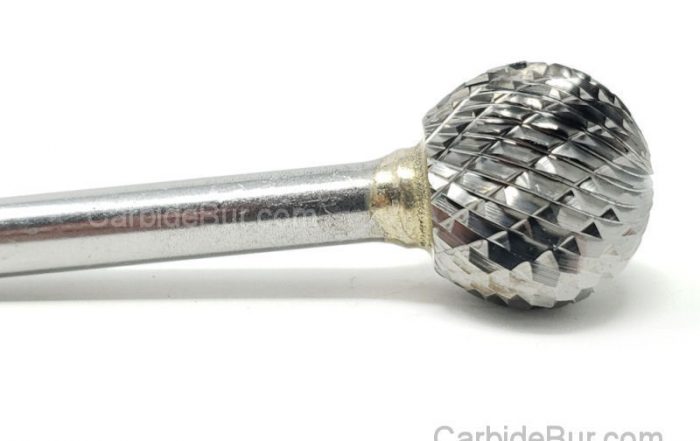
How Deep Can a Carbide Burr Cut Metal?
How Deep Can a Carbide Burr Cut Metal? Carbide burrs often get praised for their precision, but many users hit a wall wondering how deep they can actually cut metal. The truth is, cutting depth [...]
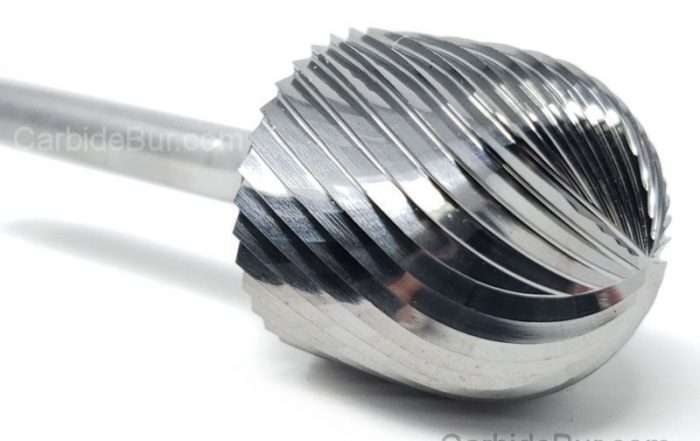
How to Use Carbide Burrs for Port Matching
How to Use Carbide Burrs for Port Matching Most engine builds hit a wall when airflow doesn’t flow smoothly between the ports and manifolds. If your engine isn’t breathing right, your performance stalls. Using the [...]
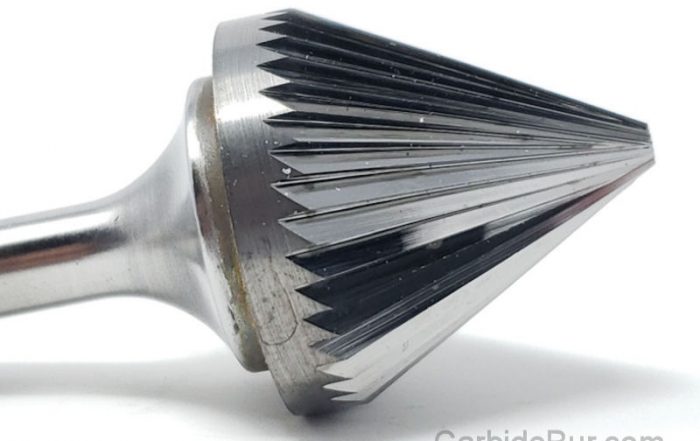
Best Carbide Burr for Porting Intake Manifolds
Best Carbide Burr for Porting Intake Manifolds Porting intake manifolds can make or break your engine’s airflow, yet many struggle with the right tools for the job. Choosing the best carbide burrs is key to [...]
Best Carbide Burr for Concave Surfaces
Best Carbide Burr for Concave Surfaces Concave surfaces can turn a straightforward project into a frustrating challenge if you don’t have the right tool. Carbide burrs designed for these tricky curves make all the difference [...]
How to Grind a Slot in Metal With a Carbide Burr
How to Grind a Slot in Metal With a Carbide Burr Grinding a precise slot in metal can feel like a tricky task, especially if you’re unsure which tools to trust. Carbide burr grinding offers [...]
