
Tool Reviews: Air Die Grinder or Electric Die Grinder for Metalworkers?
Choosing between an Air Die Grinder and an Electric Die Grinder can feel like picking the wrong tool for your toughest metal projects. You know the frustration when a carbide burr just won’t cut right or your grinder overheats mid-task. This die grinder comparison breaks down what works best for DIYers and pros alike, so you get the perfect tool for your next project. For more insights, check out this discussion.
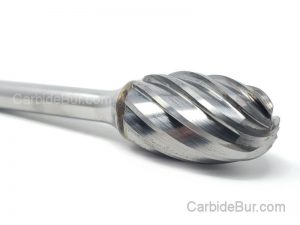
Which carbide bur tool works best for your job?
Understanding Die Grinders
Die grinders are essential for anyone working with metal. Knowing their basics lets you choose smartly and work efficiently.
Air Die Grinder Basics
Air die grinders rely on compressed air. This makes them lightweight and straightforward to handle. They excel in continuous use: the air keeps them cool, preventing overheating. You can use them for extended periods without worry. One compelling feature is their power-to-weight ratio. They pack a punch despite being light.
Another notable aspect is consistency. You get a constant speed, ensuring smooth results. Perfect for tasks needing precision. If you’re part of a metalworking community, you’re likely to hear praises for these tools. They’re reliable and robust for intricate metal tasks.
Electric Die Grinder Essentials
Electric die grinders plug into outlets, offering convenience. They provide a steady power source, with no need for air compressors. This makes them ideal for quick jobs or when space is limited. They’re straightforward: plug in and start working.
Electric models often feature adjustable speeds. This flexibility allows you to tailor the speed to your task. Perfect if you need variation in your work. For more detailed insights, check this breakdown of electric versus air grinders.
Comparing Performance
Performance is key when choosing a grinder. Let’s see how they differ in key aspects like power and precision.
Power and Speed Differences
Power can define success or failure in metalwork. Air die grinders take the lead with power: they can achieve higher RPMs. This translates to faster material removal, saving you time. They’re ideal for heavy-duty tasks that require brute force.
On the other hand, electric grinders shine in settings where control is crucial. They offer variable speeds, letting you adapt the power to the task. This is particularly useful for delicate jobs. You can dial down the speed for precision work, ensuring you don’t damage your project.
Precision and Control
Precision matters when working on intricate designs. Air grinders provide consistent speed, crucial for smooth finishes. They allow you to maintain control over your workpiece, reducing the risk of errors.
Electric grinders excel in variable control. You adjust the speed to fit your needs. This is essential for tasks requiring different levels of precision. Whether it’s sanding or polishing, you have the flexibility to adapt. Check out this comparison for more on how these tools stack up.
Pros and Cons of Each Type
Every tool has its strengths and limitations. Understanding them helps in making informed choices.
Advantages of Air Die Grinders
Air die grinders are lightweight and powerful. They handle continuous use without overheating. This is ideal for extensive projects. Their power-to-weight ratio ensures you can work longer without fatigue.
They’re also consistent: their speed doesn’t fluctuate. This consistency is crucial for precise tasks. Many professionals prefer air grinders for their reliability and strength.
Benefits of Electric Die Grinders
Electric grinders offer convenience. No need for a compressor. They’re portable and easy to use in various settings. Plug in and you’re ready to go.
The adjustable speed is a major benefit. You can tailor the power for different tasks, giving you control over precision work. This makes them versatile, suitable for a range of applications. They’re perfect for quick jobs requiring ease and flexibility.

Choosing the Right Grinder
Selecting the right grinder means understanding your needs and how each tool fits.
Best Die Grinders for Metalworkers
Metalworkers need reliability and power. Air die grinders often top the list. Their ability to deliver high RPMs makes them indispensable for heavy-duty tasks. If your work involves cutting or grinding tough materials, they are ideal.
However, if your focus is on detail work, electric grinders might be preferable. Their adjustable speeds suit tasks requiring finesse. They offer versatility for various applications, from cutting to polishing.
Selecting the Right Carbide Bur
A carbide bur complements your grinder, enhancing its performance. The choice depends on your project.
-
For rough cutting: Opt for burs with fewer flutes. They remove material quickly.
-
For fine finishing: Choose burs with more flutes. They provide a smoother surface.
Understanding these choices ensures you get the most from your tool. The right combination of grinder and bur maximizes efficiency.
Tool Reviews and Recommendations
Understanding user experiences helps in choosing the right tool. Reviews provide insights into performance and reliability.
Top Tool Reviews for DIY Enthusiasts
DIY enthusiasts often highlight electric grinders. They’re easy to use, making them perfect for home projects. Reviews often mention their convenience and versatility. They’re praised for their ability to tackle various tasks without the need for complex setups.
Air grinders, however, are noted for their power. For those with access to compressors, they become a go-to choice. They handle bigger, tougher jobs with ease.
Expert Picks for Automotive Professionals
Professionals in the automotive industry often prefer air die grinders. Their power and durability make them suitable for demanding tasks. They handle metalwork with precision, crucial for automotive projects.
For quick repairs, electric grinders find a place. Their portability and ease of use cater to professionals needing flexibility. They’re ideal for on-the-spot fixes requiring immediate attention.
In the end, the choice depends on your specific needs and environments. Each tool brings unique benefits, ensuring you get the job done right.
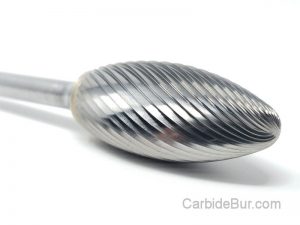
Looking for Carbide Bur Tools?
Check out our entire selection of USA made carbide bur die grinder tool bits
Follow us on Twitter

Return to CarbideBur.com
Carbide Burs – 1/4″ on 1/8″ Shanks – Accessories – Aluminum Cut – Bur Sets – End Mills – Long Shank – Solid Burs
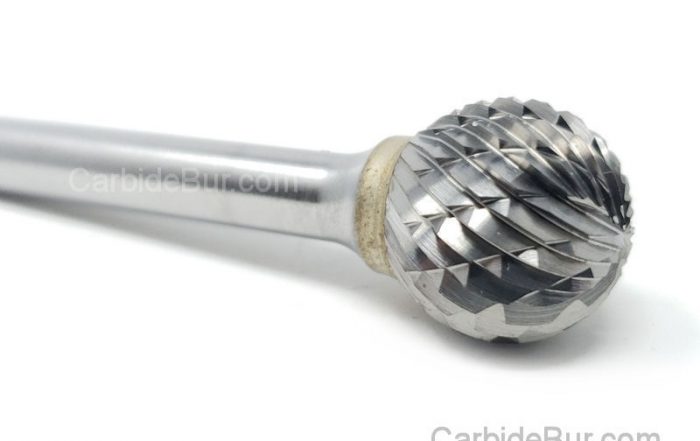
Carbide Burr vs. Grinding Stone: Which Is Better for Metal Removal?
Carbide Burr vs. Grinding Stone: Which Is Better for Metal Removal? When you need to remove metal, smooth a rough edge, or shape a metal component, two common options are carbide burrs and grinding stones. [...]
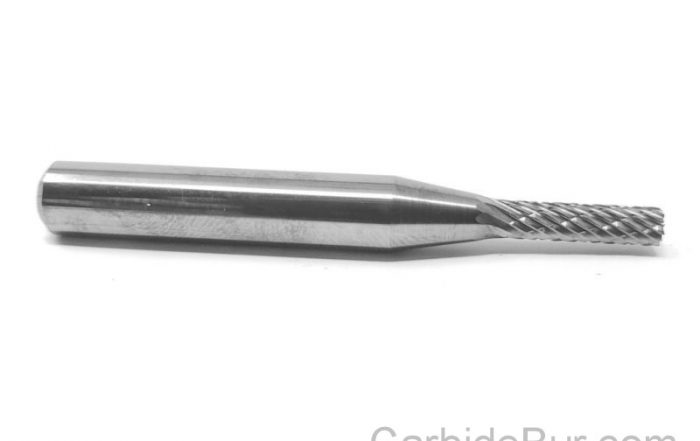
Carbide Burr Safety: RPM, Eye Protection, and Common Mistakes
Carbide Burr Safety: RPM, Eye Protection, and Common Mistakes Carbide burrs are versatile cutting tools used for metal fabrication, welding cleanup, engine porting, deburring, and general material removal. When used correctly, they can help remove [...]
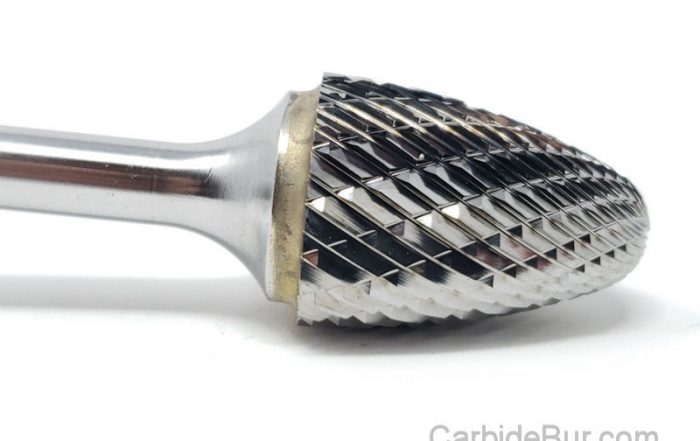
How to Stop Aluminum from Clogging Your Carbide Burr
How to Stop Aluminum from Clogging Your Carbide Burr Aluminum is widely used in automotive work, welding, metal fabrication, aerospace components, and general machining. It is lightweight, relatively easy to machine, and versatile across many [...]
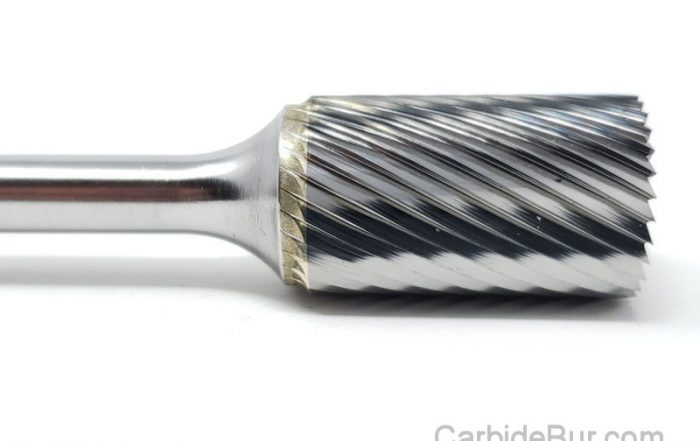
Carbide Burrs for Intake Manifolds: Shaping, Cleanup, and Fitment
Carbide Burrs for Intake Manifolds: Shaping, Cleanup, and Fitment Intake manifold work often involves more than simply bolting a component onto an engine. Depending on the application, metal intake components may have casting irregularities, rough [...]
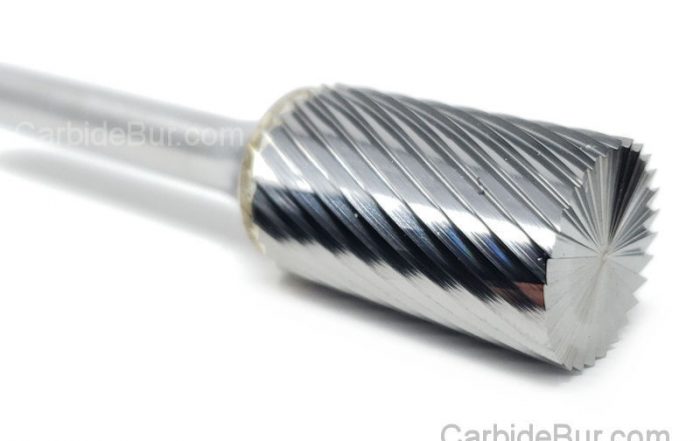
Why Long-Shank Carbide Burrs Are Useful for Hard-to-Reach Areas
Why Long-Shank Carbide Burrs Are Useful for Hard-to-Reach Areas When working on metal parts, the area that needs grinding or shaping is not always easy to reach. Recessed openings, deep cavities, interior surfaces, and complicated [...]
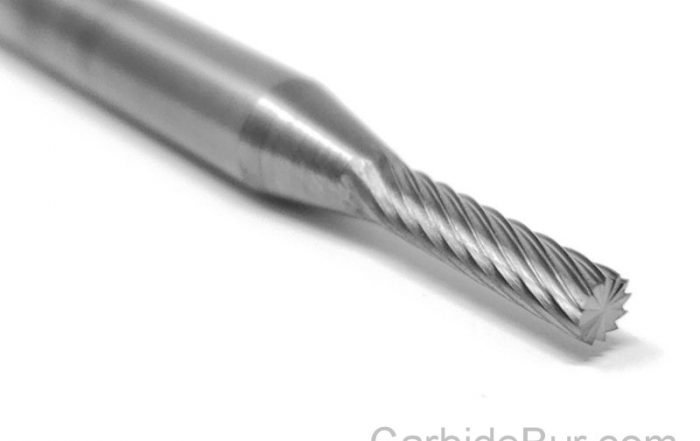
Choosing Carbide Burrs for Stainless Steel Fabrication
Choosing Carbide Burrs for Stainless Steel Fabrication Stainless steel is widely used in fabrication because of its corrosion resistance, strength, and durability. However, those same properties can make it challenging to machine and finish. Removing [...]
Can You Use Carbide Burrs in a Dremel? Shank Sizes Explained
Can You Use Carbide Burrs in a Dremel? Shank Sizes Explained If you use a Dremel or another rotary tool for detail work, metal shaping, or small fabrication projects, you may wonder whether you can [...]
How to Choose the Best Carbide Burr for Welding and Metal Fabrication
How to Choose the Best Carbide Burr for Welding and Metal Fabrication Welding and metal fabrication often require more than joining two pieces of metal together. Once the welding is finished, fabricators frequently need to [...]
Carbide Burrs for Cylinder Heads: What Automotive Enthusiasts Need to Know
Carbide Burrs for Cylinder Heads: What Automotive Enthusiasts Need to Know Cylinder head work is an important part of engine building, restoration, and performance machining. Whether you are cleaning up casting imperfections, refining port surfaces, [...]
Engine Porting 101: How Carbide Burrs Help Shape Cylinder Head Ports
Engine Porting 101: How Carbide Burrs Help Shape Cylinder Head Ports Engine performance enthusiasts, automotive machinists, and engine builders often look for ways to improve airflow through an engine's cylinder heads. One technique used in [...]
When to Use a 4-Inch or 9-Inch Die Grinder Extension
When to Use a 4-Inch or 9-Inch Die Grinder Extension Metal fabrication, welding, automotive repair, and engine building often require working in places where a standard die grinder and carbide burr cannot easily reach. Recessed [...]
Why Buy USA-Made Carbide Burr Tools? What Buyers Should Compare
Why Buy USA-Made Carbide Burr Tools? What Buyers Should Compare When shopping for carbide burr tools, it's tempting to compare products based on price alone. However, professionals who use rotary cutting tools for welding, metal [...]
