
The Ultimate Carbide Burr Guide: Tips for Metal and Woodworking Enthusiasts
Picking the right carbide burr can feel overwhelming with so many shapes, sizes, and cut types on the market. If you’ve ever wasted time or money on the wrong tool, you know how frustrating that can be. This carbide burr guide breaks down what matters most—from material fit to shank compatibility—so you can make choices that boost your results on metal and wood projects. Get ready to find the perfect carbide burr for every task ahead. For more detailed insights, check out this comprehensive guide on carbide burrs.
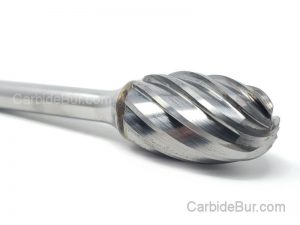
Which carbide bur tool works best for your job?
Introduction to Carbide Burrs
Ready to delve into the world of carbide burrs? Understanding these tools is crucial for anyone looking to enhance their metal and woodworking projects.
Understanding Carbide Burrs
Carbide burrs are small cutting tools used for shaping and finishing materials. They’re essential in various industries, offering precision in tasks like grinding, carving, and engraving. These tools are crafted from tungsten carbide, a material known for its durability and hardness.
Why choose carbide burrs? They withstand high temperatures and maintain sharpness longer than other materials. This makes them ideal for heavy-duty use. Whether you’re smoothing out welds or creating intricate patterns, carbide burrs can handle it. Learn more about their versatility in this guide to carbide burs for deburring.
Importance in Metal and Woodworking
Carbide burrs are invaluable in both metal and woodworking. In metalworking, they remove sharp edges, drill holes, and shape metal surfaces. Their ability to cut through tough metals without losing efficiency is unmatched.
In woodworking, these tools carve, shape, and hollow out wood with precision. They work well on hardwoods, making detailed designs easy. From hobbyists to professionals, everyone benefits from using the right burr. Discover how carbide burrs can improve your wood carving projects here.
Types of Carbide Burrs
Now that you’ve got the basics, let’s explore the types of carbide burrs available. Knowing the different shapes and sizes will help you make an informed decision.
Shapes and Sizes Overview
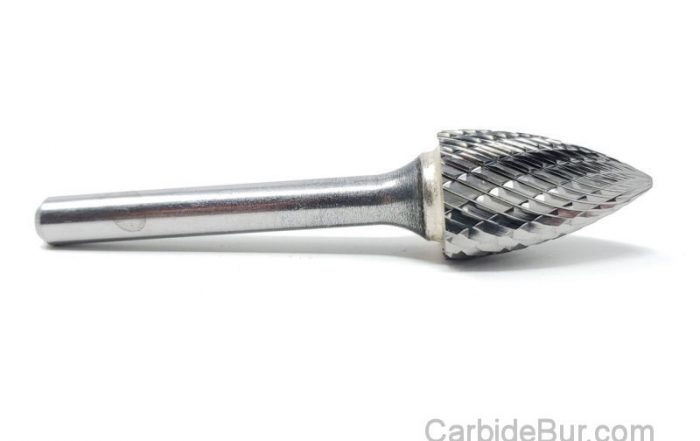
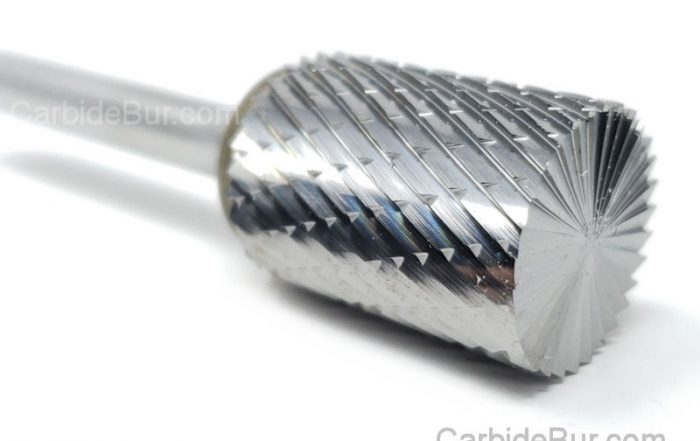
Carbide burrs come in a variety of shapes, each designed for specific tasks. Common shapes include cylindrical, ball, oval, and flame. Each shape offers unique advantages. For instance, cylindrical burrs are great for surface milling and contouring. Ball-shaped burrs excel at creating concave cuts and hollowing out areas.
Sizes range from small to large, influencing the level of detail you can achieve. Smaller burrs allow for intricate work, while larger ones remove more material quickly. Check out this comprehensive guide on carbide burr shapes to see which fits your needs.
Selecting the Right Type
Choosing the right carbide burr involves more than just shape and size. Consider the material you’ll be working with. Hard metals require tougher burrs, while softer materials allow for more flexibility. Additionally, think about the specific task. Are you grinding, deburring, or engraving? Each task may require a different burr.
Most people believe one burr fits all, but that’s a misconception. Selecting the right burr can save time and enhance the quality of your work. Remember to match the burr’s cut type with your project’s needs for optimal results.

Carbide Burr Applications
Curious about where to apply your newfound knowledge? Understanding the applications of carbide burrs can transform your projects from average to amazing.
Metalworking Uses
In metalworking, carbide burrs serve multiple purposes. They’re used for shaping, deburring, and finishing metal surfaces. These burrs can cut through stainless steel, cast iron, and other metals with ease. Their precision makes them ideal for creating smooth edges and detailed patterns.
One key insight is to start with smaller burrs for fine work, then progress to larger ones for bulk removal. This approach ensures accuracy and efficiency in your projects. Explore more about their metalworking uses in this detailed article.
Woodworking Benefits
Carbide burrs aren’t just for metal; they shine in woodworking too. They help in carving, engraving, and detailing wood. The precision they offer is unmatched, allowing you to create intricate designs with ease.
One common belief is that woodwork doesn’t require such precision, but using carbide burrs proves otherwise. They enhance the quality of woodworking projects, making them look professional. Whether you’re a hobbyist or a seasoned craftsman, these tools offer significant benefits.
Essential Carbide Burr Features
To make the most of your carbide burrs, it’s vital to understand their key features. Knowing what to look for ensures you make informed purchases every time.
Cut Type and Fluting Design
The cut type of a burr determines the finish it provides. Single-cut burrs remove material quickly, creating a rough finish, ideal for heavy material removal. Double-cut burrs, with their two sets of flutes, offer a smoother finish and are perfect for fine work.
Fluting design impacts the burr’s performance. More flutes mean a smoother finish, while fewer flutes offer rapid removal. Consider your project’s finish requirements when selecting a burr.
Shank Compatibility
Shank compatibility is crucial for effective use. Ensure your burr’s shank size matches your tool’s collet or chuck. Most shanks come in standard sizes, but double-checking prevents mishaps.
A mismatched shank can lead to tool slippage or damage. Proper compatibility ensures a secure fit and optimal performance, keeping your projects safe and efficient.
Buying Carbide Burrs
Ready to make a purchase? Understanding the buying process will help you choose the right carbide burrs for your needs.
Key Considerations for Purchase
When buying carbide burrs, consider the material, task, and tool compatibility. Choose burrs made from quality tungsten carbide for durability. Match the burr’s cut type with your intended use for the best results.
Additionally, review product descriptions and customer reviews. These insights guide you in selecting burrs that meet your expectations.
Tips for Informed Decisions
To make informed decisions, start by evaluating your project needs. Determine the shapes and sizes that align with your tasks. Compare different brands for quality and price.
Consider creating a checklist of requirements to streamline your purchase process. This helps ensure you buy the right burrs without overlooking important details.
With this guide, you’re now equipped to choose the perfect carbide burr for any project. Each section has provided valuable insights to enhance your metal and woodworking endeavors.
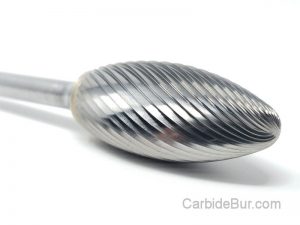
Looking for Carbide Bur Tools?
Check out our entire selection of USA made carbide bur die grinder tool bits
Follow us on Twitter

Return to CarbideBur.com
Carbide Burs – 1/4″ on 1/8″ Shanks – Accessories – Aluminum Cut – Bur Sets – End Mills – Long Shank – Solid Burs
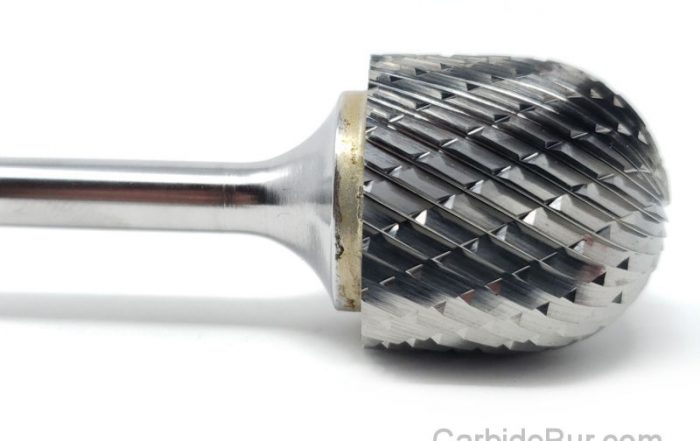
Are Expensive Carbide Burrs Worth It? Comparing Price and Performance
Are Expensive Carbide Burrs Worth It? Comparing Price and Performance When shopping for carbide burrs, it's easy to assume that the cheapest option saves money. But if you use rotary cutting tools regularly for welding, [...]
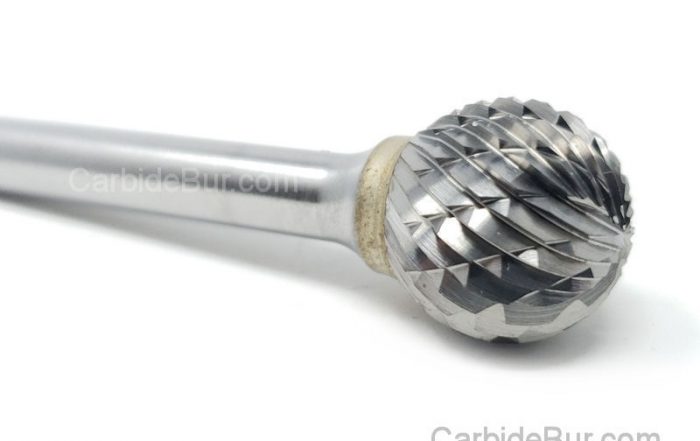
Carbide Burr vs. Grinding Stone: Which Is Better for Metal Removal?
Carbide Burr vs. Grinding Stone: Which Is Better for Metal Removal? When you need to remove metal, smooth a rough edge, or shape a metal component, two common options are carbide burrs and grinding stones. [...]
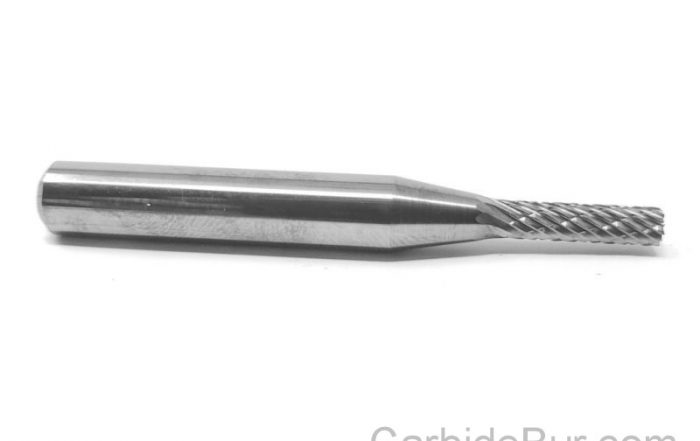
Carbide Burr Safety: RPM, Eye Protection, and Common Mistakes
Carbide Burr Safety: RPM, Eye Protection, and Common Mistakes Carbide burrs are versatile cutting tools used for metal fabrication, welding cleanup, engine porting, deburring, and general material removal. When used correctly, they can help remove [...]
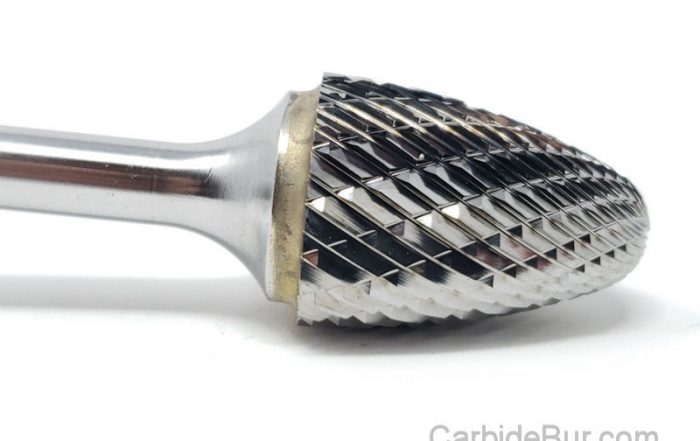
How to Stop Aluminum from Clogging Your Carbide Burr
How to Stop Aluminum from Clogging Your Carbide Burr Aluminum is widely used in automotive work, welding, metal fabrication, aerospace components, and general machining. It is lightweight, relatively easy to machine, and versatile across many [...]
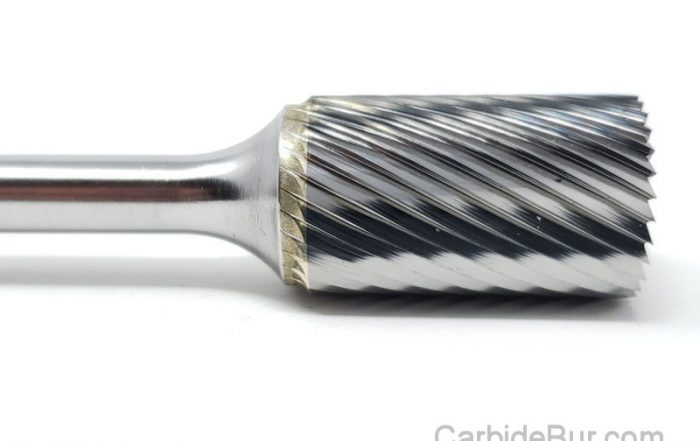
Carbide Burrs for Intake Manifolds: Shaping, Cleanup, and Fitment
Carbide Burrs for Intake Manifolds: Shaping, Cleanup, and Fitment Intake manifold work often involves more than simply bolting a component onto an engine. Depending on the application, metal intake components may have casting irregularities, rough [...]
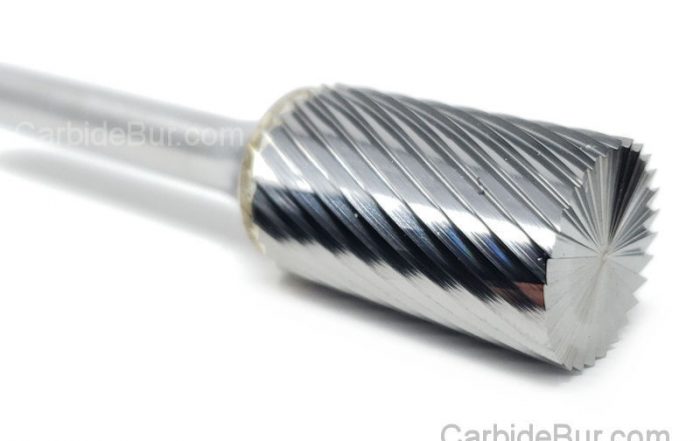
Why Long-Shank Carbide Burrs Are Useful for Hard-to-Reach Areas
Why Long-Shank Carbide Burrs Are Useful for Hard-to-Reach Areas When working on metal parts, the area that needs grinding or shaping is not always easy to reach. Recessed openings, deep cavities, interior surfaces, and complicated [...]
Choosing Carbide Burrs for Stainless Steel Fabrication
Choosing Carbide Burrs for Stainless Steel Fabrication Stainless steel is widely used in fabrication because of its corrosion resistance, strength, and durability. However, those same properties can make it challenging to machine and finish. Removing [...]
Can You Use Carbide Burrs in a Dremel? Shank Sizes Explained
Can You Use Carbide Burrs in a Dremel? Shank Sizes Explained If you use a Dremel or another rotary tool for detail work, metal shaping, or small fabrication projects, you may wonder whether you can [...]
How to Choose the Best Carbide Burr for Welding and Metal Fabrication
How to Choose the Best Carbide Burr for Welding and Metal Fabrication Welding and metal fabrication often require more than joining two pieces of metal together. Once the welding is finished, fabricators frequently need to [...]
Carbide Burrs for Cylinder Heads: What Automotive Enthusiasts Need to Know
Carbide Burrs for Cylinder Heads: What Automotive Enthusiasts Need to Know Cylinder head work is an important part of engine building, restoration, and performance machining. Whether you are cleaning up casting imperfections, refining port surfaces, [...]
Engine Porting 101: How Carbide Burrs Help Shape Cylinder Head Ports
Engine Porting 101: How Carbide Burrs Help Shape Cylinder Head Ports Engine performance enthusiasts, automotive machinists, and engine builders often look for ways to improve airflow through an engine's cylinder heads. One technique used in [...]
When to Use a 4-Inch or 9-Inch Die Grinder Extension
When to Use a 4-Inch or 9-Inch Die Grinder Extension Metal fabrication, welding, automotive repair, and engine building often require working in places where a standard die grinder and carbide burr cannot easily reach. Recessed [...]
