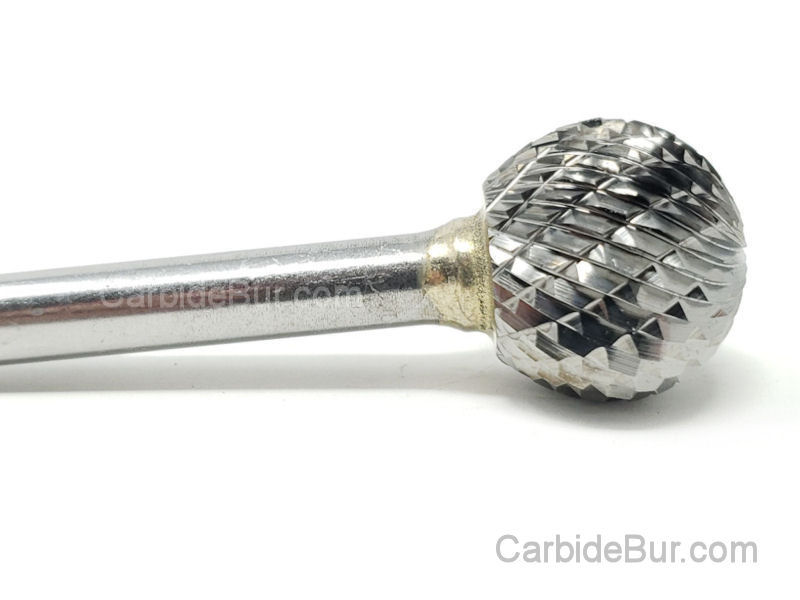
What Is a Ball Carbide Burr Used For?
You’ve spent hours trying to smooth dents and shape curves with the wrong tools, wasting time and effort. Ball carbide burrs offer a precise way to tackle dent removal, smoothing contours, and crafting rounded shapes in tight spaces. This post will guide you through the key ball carbide burr uses, help you pick the right size and cut, and show how to protect your tools for longer life. Learn more about the versatility of carbide burrs.
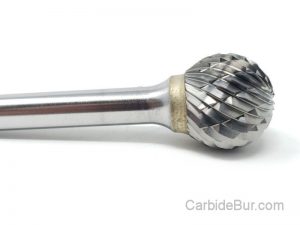
Understanding Ball Carbide Burrs
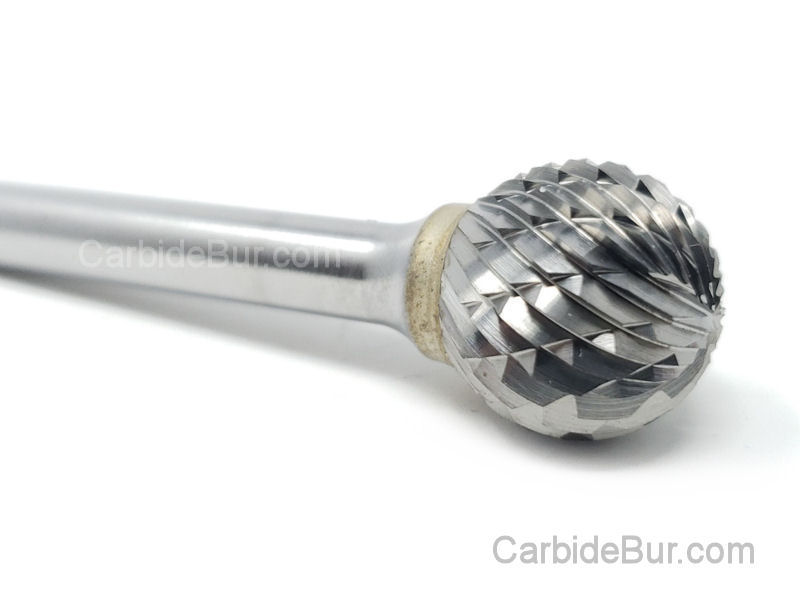
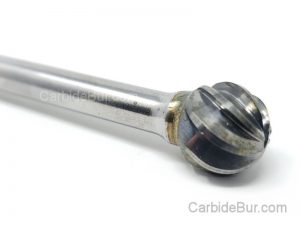
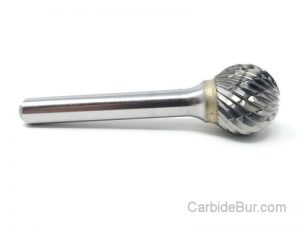
Ball carbide burrs are a popular choice in both metalworking and woodworking thanks to their precision and versatility. They are designed for high-speed material removal, making them ideal for various tasks.
Introduction to Metalworking Tools
Metalworking often involves cutting, shaping, and finishing metal parts. Among the essential tools in this trade, ball carbide burrs stand out. They help in removing dents and creating smooth contours on metal surfaces. You can count on them for precise shaping and detailing, especially in hard-to-reach areas.
Introduction to Woodworking Tools
In woodworking, shaping and detailing are crucial. Ball carbide burrs come handy here too. They are perfect for smoothing wooden surfaces and creating intricate designs. These burrs are excellent for crafting detailed patterns and adding fine touches to wood projects.
Key Uses of Ball Carbide Burrs
Ball carbide burrs have specific applications that make them indispensable in certain tasks. Let’s explore these key uses.
Effective Dent Removal Tools
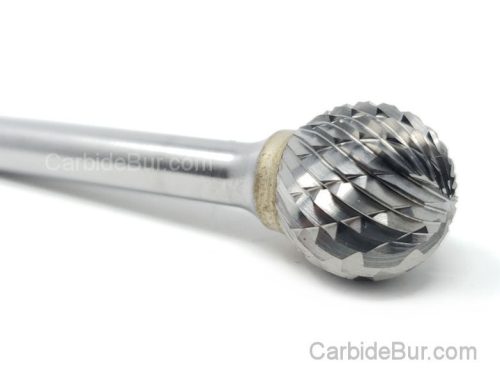
Removing dents can be challenging, but a ball carbide burr simplifies the process. Its spherical shape allows you to address dents smoothly and efficiently. This makes it a great tool in automotive repairs, where precision is crucial.
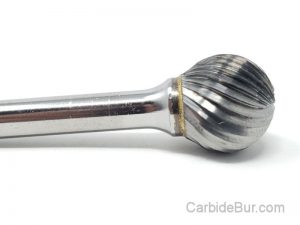
Smoothing Contours with Ease
Creating smooth and even surfaces is essential in both metal and wood projects. Ball carbide burrs excel in contour smoothing, allowing you to achieve a flawless finish. Whether you’re working on metal or wood, these burrs ensure uniformity.
Creating Rounded Shapes
Ball carbide burrs are perfect for crafting rounded shapes. Their design lets you carve curves with precision. This capability is particularly useful in creating artistic pieces and functional components requiring rounded edges.
Benefits for Intricate Detailing
These burrs are not just about shaping; they also offer significant advantages in detailed work.
Achieving Precision in Tight Spaces
Ball carbide burrs are designed for precision. They allow you to work in tight spaces where other tools can’t reach. This makes them invaluable in complex projects requiring meticulous attention to detail. Perfect your material removal with these tips.
Enhancing Tool Longevity
Using the right techniques can extend the life of your tools. Ball carbide burrs are robust and durable, but proper care ensures they last even longer. Regular maintenance and correct usage preserve their efficiency and sharpness.
Selecting the Right Burr
Choosing the right burr is key to achieving the best results. Here’s how to make the right selection.
Choosing the Correct Burr Size
The size of the burr matters. A smaller burr is ideal for finer details, while a larger one is better for extensive material removal. Understanding the scope of your project helps in selecting the appropriate size.
Exploring Burr Cuts
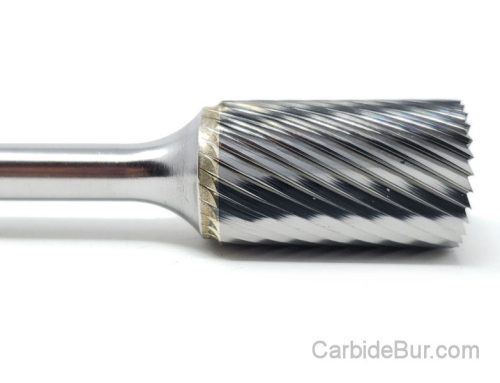
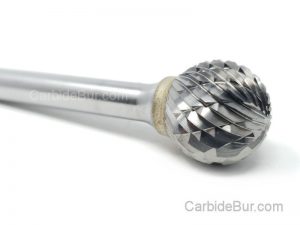
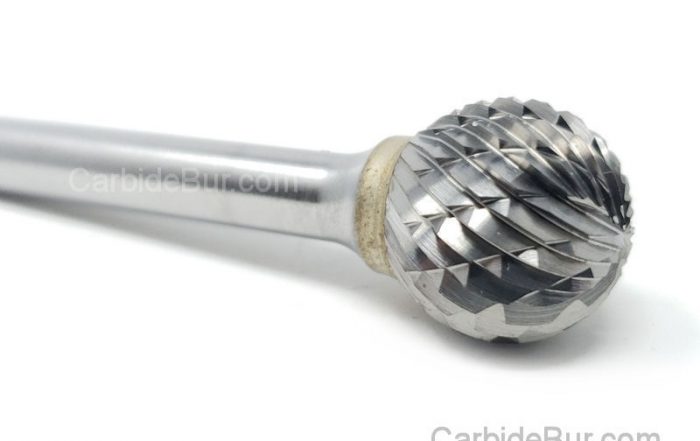
Burrs come in different cuts, and each type has its unique advantages. Single-cut burrs are excellent for heavy material removal, while double-cut burrs provide a smoother finish. Selecting the right cut depends on your project’s requirements. Learn about choosing the right burrs for your needs.
Tips for Successful Application
Applying these burrs correctly ensures optimal results and tool longevity.
Best Practices for Optimal Results
For the best outcomes, maintain a steady hand while applying consistent pressure. Avoid forcing the burr into the material. Let the tool do the work to prevent unnecessary wear and tear.
Maintenance for Long-Lasting Performance
Regular cleaning and inspection extend the life of your burrs. Remove debris and store them properly to prevent damage. Implementing these practices keeps your tools in peak condition.
Frequently Asked Questions
What materials can ball carbide burrs be used on?
Ball carbide burrs are versatile and can be used on a variety of materials, including metals like steel and aluminum, as well as wood and plastic. Their robust construction makes them suitable for hard and soft materials alike.
How do I choose the right size of ball carbide burr for my project?
The right size depends on your project’s requirements. For detailed work, opt for smaller burrs. For removing larger amounts of material, larger burrs are more suitable. Consider the intricacy and scale of your work when selecting a size.
How do I maintain my ball carbide burrs?
To maintain your burrs, clean them after each use to remove debris. Store them in a dry place to prevent rust and inspect them regularly for signs of wear. Proper maintenance ensures durability and effectiveness.
Can ball carbide burrs be used on wood?
Yes, ball carbide burrs are effective on wood. They are excellent for shaping, detailing, and smoothing wood surfaces. Their precision makes them a preferred choice for intricate woodworking tasks.
What are the advantages of using a ball carbide burr compared to other types?
Ball carbide burrs offer precision and versatility. Their spherical shape allows for smooth contouring and detailed work, especially in tight spaces. They are durable, capable of handling various materials, and are ideal for both metalworking and woodworking applications.
Looking for Carbide Bur Tools?
Check out our entire selection of USA made carbide bur die grinder tool bits
Follow us on Twitter

Return to CarbideBur.com
Carbide Burs – 1/4″ on 1/8″ Shanks – Accessories – Aluminum Cut – Bur Sets – End Mills – Long Shank – Solid Burs
Carbide Burr vs. Grinding Stone: Which Is Better for Metal Removal?
Carbide Burr vs. Grinding Stone: Which Is Better for Metal Removal? When you need to remove metal, smooth a rough edge, or shape a metal component, two common options are carbide burrs and grinding stones. [...]
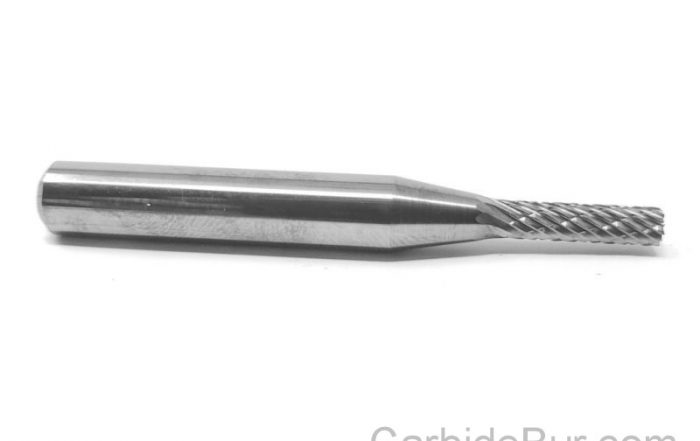
Carbide Burr Safety: RPM, Eye Protection, and Common Mistakes
Carbide Burr Safety: RPM, Eye Protection, and Common Mistakes Carbide burrs are versatile cutting tools used for metal fabrication, welding cleanup, engine porting, deburring, and general material removal. When used correctly, they can help remove [...]
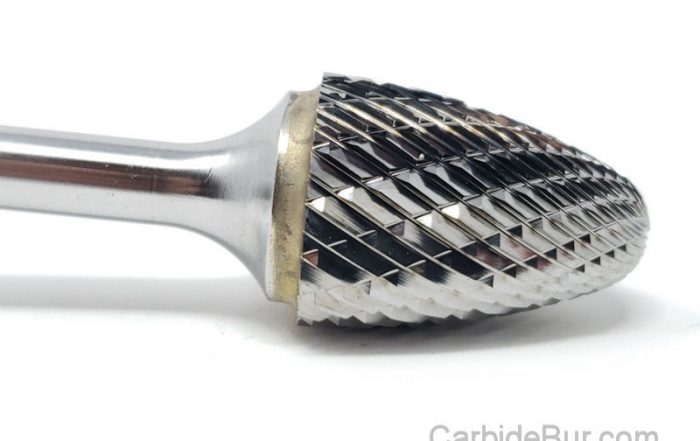
How to Stop Aluminum from Clogging Your Carbide Burr
How to Stop Aluminum from Clogging Your Carbide Burr Aluminum is widely used in automotive work, welding, metal fabrication, aerospace components, and general machining. It is lightweight, relatively easy to machine, and versatile across many [...]
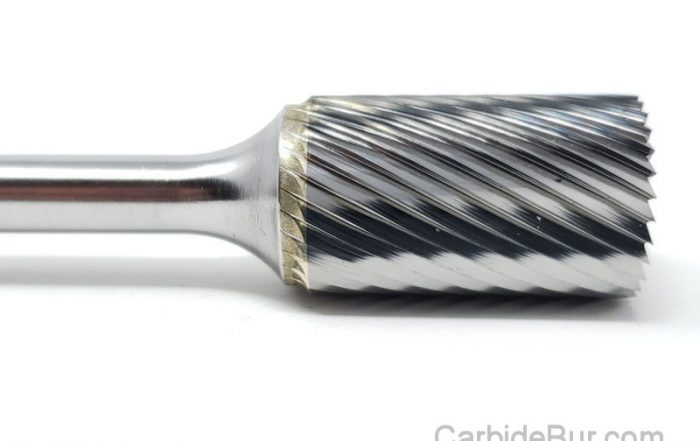
Carbide Burrs for Intake Manifolds: Shaping, Cleanup, and Fitment
Carbide Burrs for Intake Manifolds: Shaping, Cleanup, and Fitment Intake manifold work often involves more than simply bolting a component onto an engine. Depending on the application, metal intake components may have casting irregularities, rough [...]
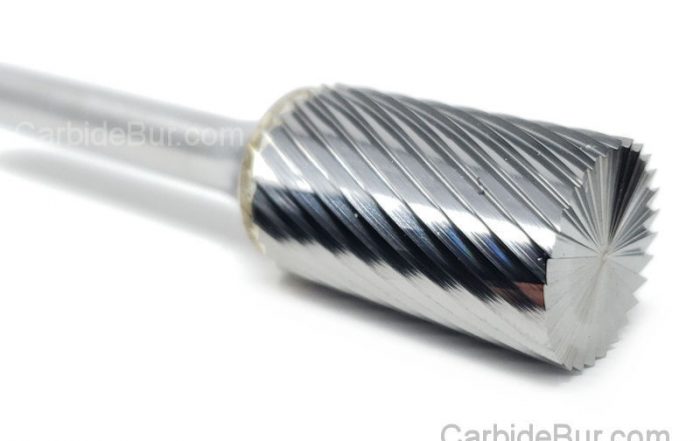
Why Long-Shank Carbide Burrs Are Useful for Hard-to-Reach Areas
Why Long-Shank Carbide Burrs Are Useful for Hard-to-Reach Areas When working on metal parts, the area that needs grinding or shaping is not always easy to reach. Recessed openings, deep cavities, interior surfaces, and complicated [...]
Choosing Carbide Burrs for Stainless Steel Fabrication
Choosing Carbide Burrs for Stainless Steel Fabrication Stainless steel is widely used in fabrication because of its corrosion resistance, strength, and durability. However, those same properties can make it challenging to machine and finish. Removing [...]
Can You Use Carbide Burrs in a Dremel? Shank Sizes Explained
Can You Use Carbide Burrs in a Dremel? Shank Sizes Explained If you use a Dremel or another rotary tool for detail work, metal shaping, or small fabrication projects, you may wonder whether you can [...]
How to Choose the Best Carbide Burr for Welding and Metal Fabrication
How to Choose the Best Carbide Burr for Welding and Metal Fabrication Welding and metal fabrication often require more than joining two pieces of metal together. Once the welding is finished, fabricators frequently need to [...]
Carbide Burrs for Cylinder Heads: What Automotive Enthusiasts Need to Know
Carbide Burrs for Cylinder Heads: What Automotive Enthusiasts Need to Know Cylinder head work is an important part of engine building, restoration, and performance machining. Whether you are cleaning up casting imperfections, refining port surfaces, [...]
Engine Porting 101: How Carbide Burrs Help Shape Cylinder Head Ports
Engine Porting 101: How Carbide Burrs Help Shape Cylinder Head Ports Engine performance enthusiasts, automotive machinists, and engine builders often look for ways to improve airflow through an engine's cylinder heads. One technique used in [...]
When to Use a 4-Inch or 9-Inch Die Grinder Extension
When to Use a 4-Inch or 9-Inch Die Grinder Extension Metal fabrication, welding, automotive repair, and engine building often require working in places where a standard die grinder and carbide burr cannot easily reach. Recessed [...]
Why Buy USA-Made Carbide Burr Tools? What Buyers Should Compare
Why Buy USA-Made Carbide Burr Tools? What Buyers Should Compare When shopping for carbide burr tools, it's tempting to compare products based on price alone. However, professionals who use rotary cutting tools for welding, metal [...]