Can You Use a Carbide Burr on Hardened Steel?
You’ve probably wondered if carbide burrs can handle hardened steel without wearing out fast or losing grip. Many machinists hesitate because this metal pushes tooling limits and demands precise choices. This post breaks down how carbide burrs perform on tough steel, what burr design and size really matter, and when to switch to other cutting tools for steel. Stick around to sharpen your metalworking techniques and avoid costly mistakes. For more insights on choosing the best tools for hard materials, visit this link.
Understanding Carbide Burrs
Let’s dive into the world of carbide burrs to understand their role in metalworking. These tools are essential for their ability to shape and cut through various metals.
What Are Carbide Burrs?
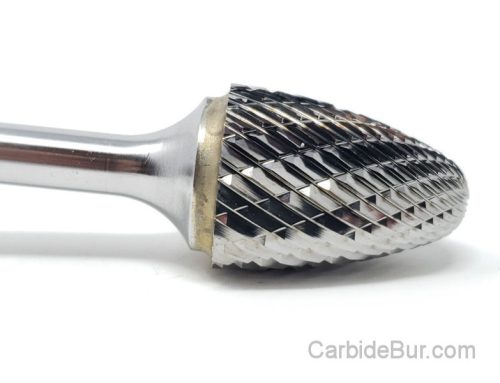
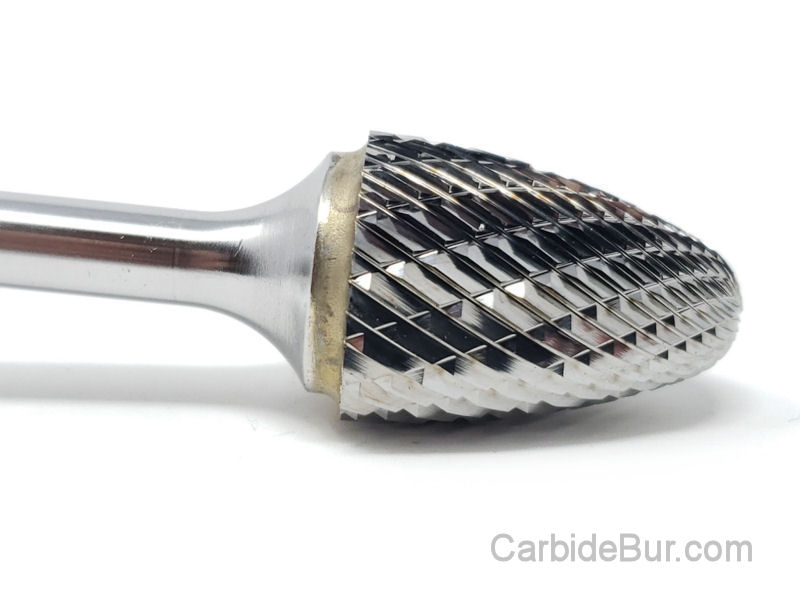
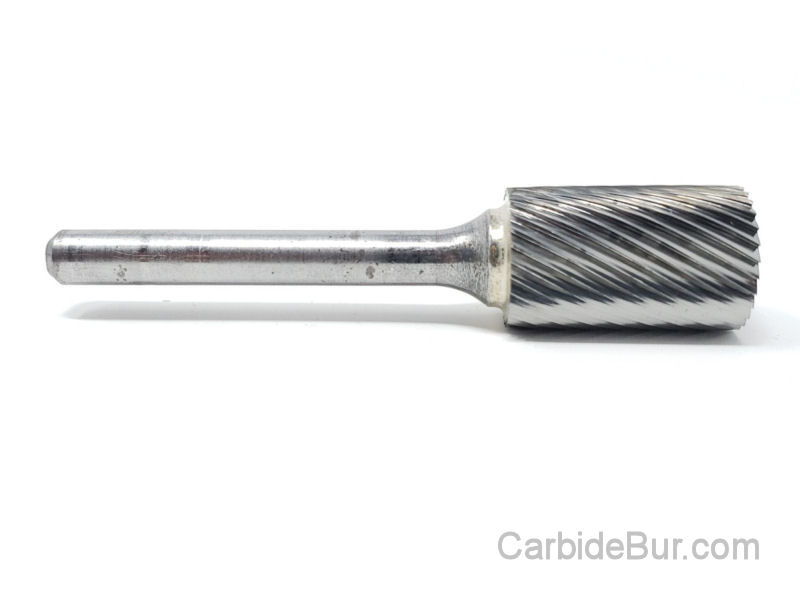
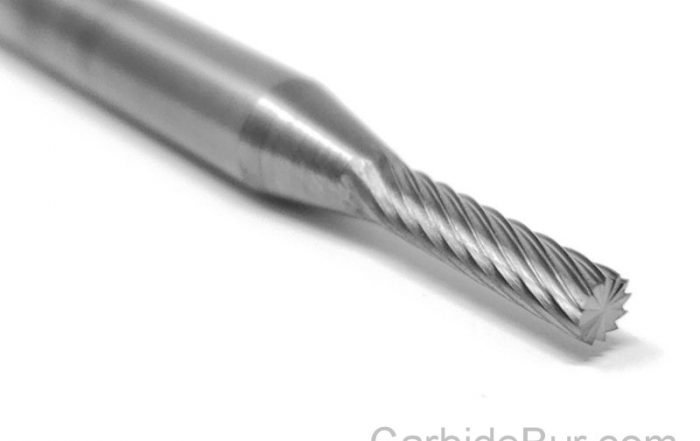
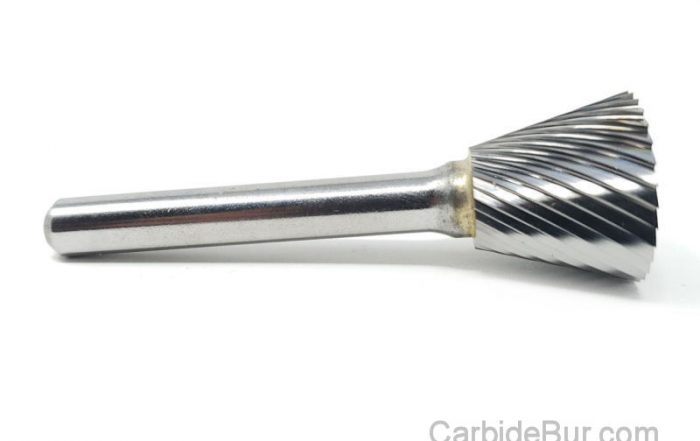
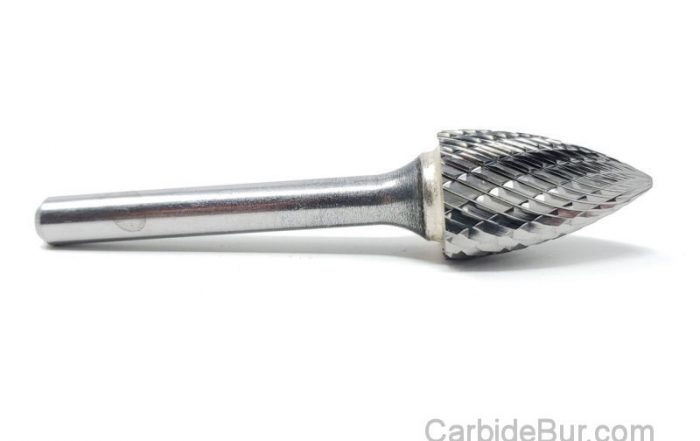
Carbide burrs are small, rotating tools made from tungsten carbide. They’re used for cutting, shaping, and grinding materials. Their hard composition makes them ideal for handling tough jobs. You’ll find these tools in a variety of shapes and sizes, each suited to different tasks. With their high durability, carbide burrs can handle more aggressive work than other types.
Types of Carbide Burrs
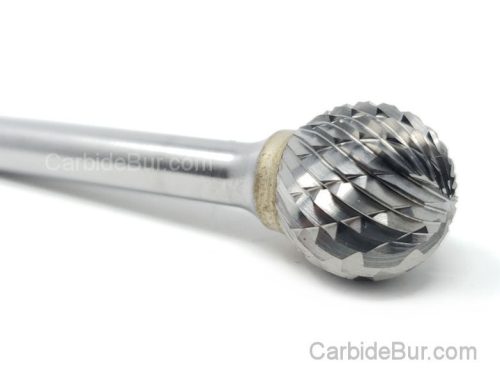
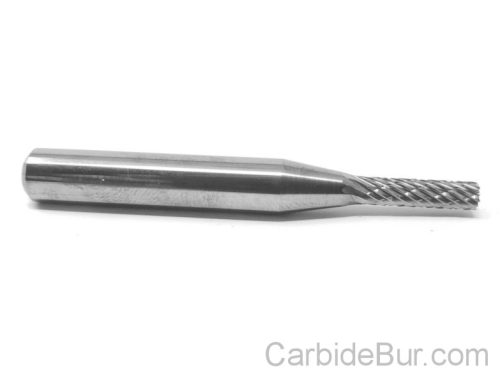
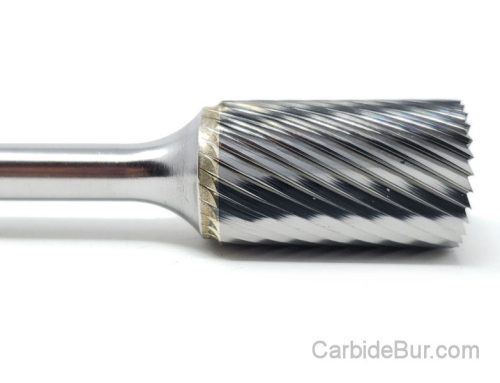
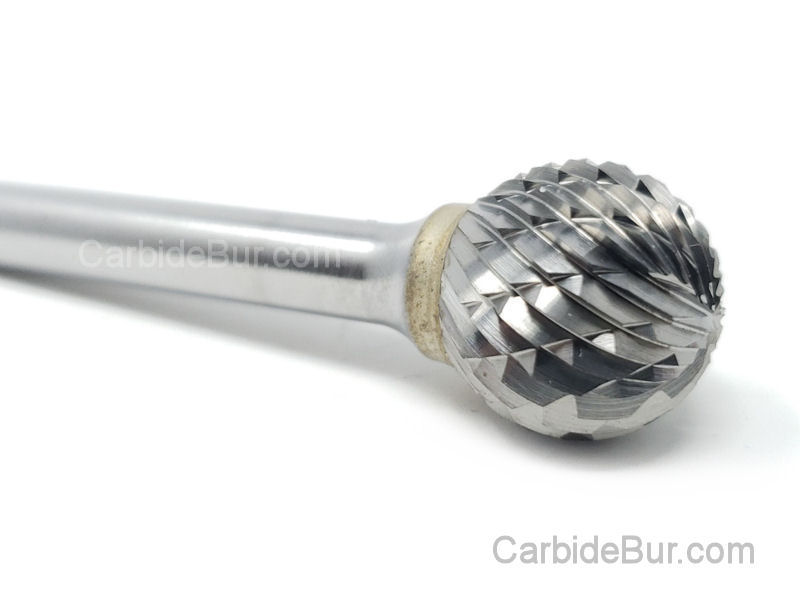
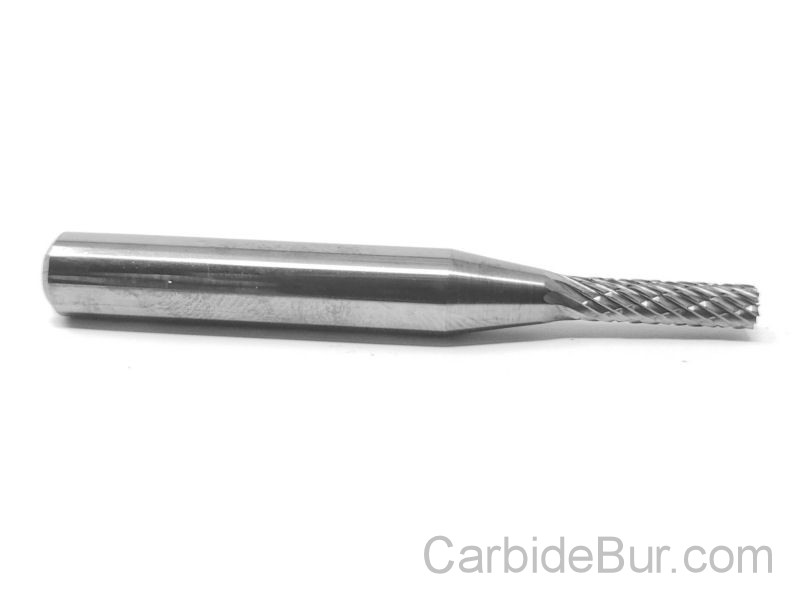
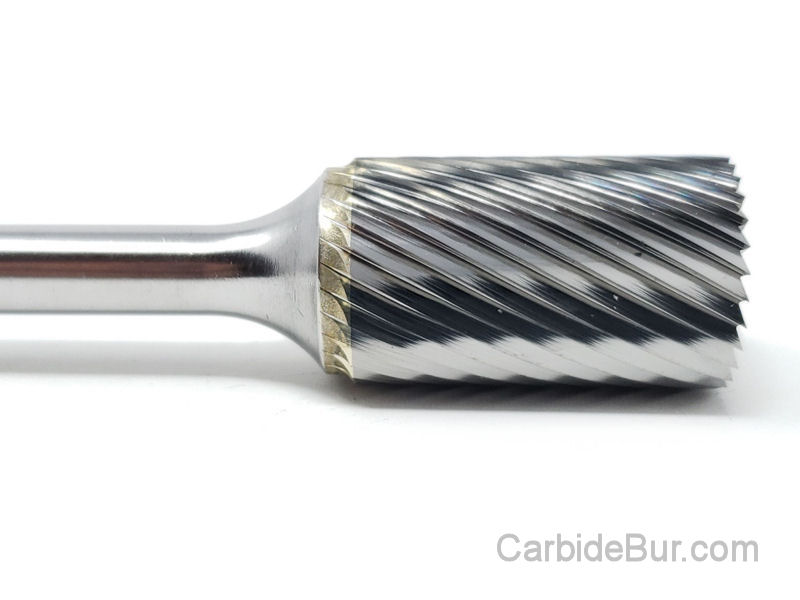
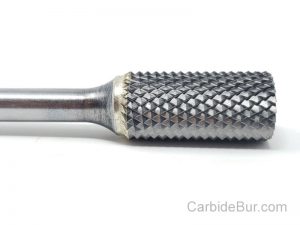
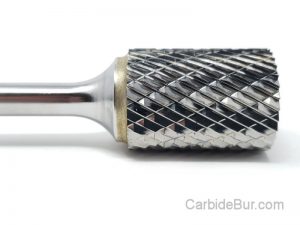
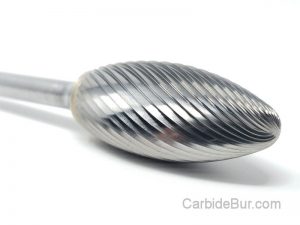
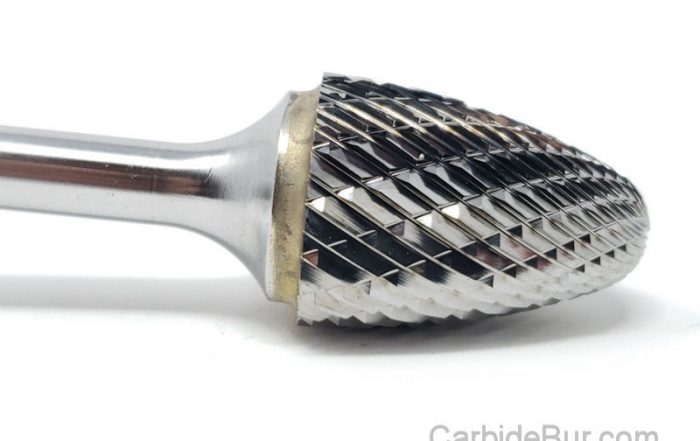
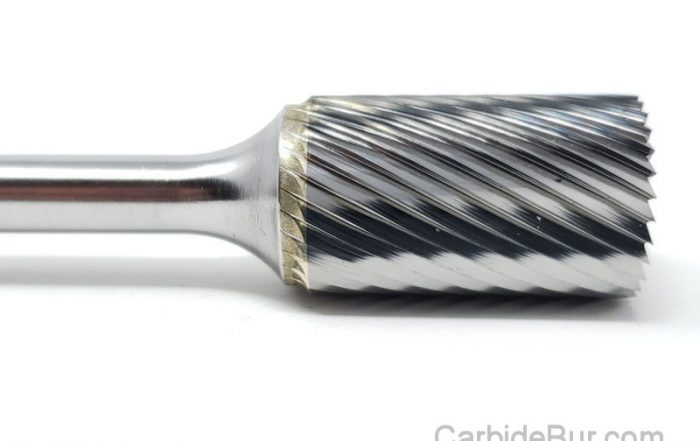
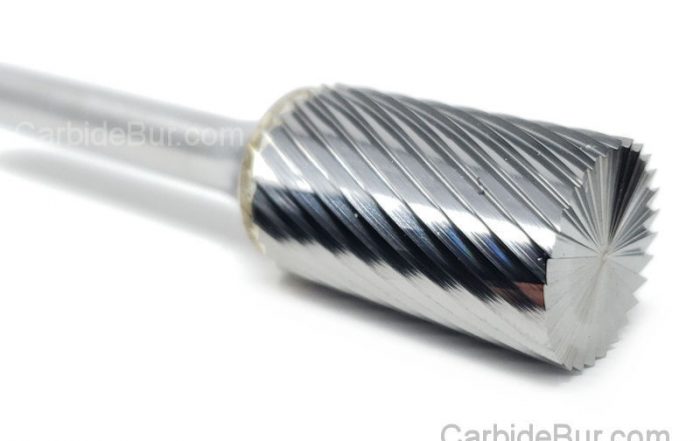
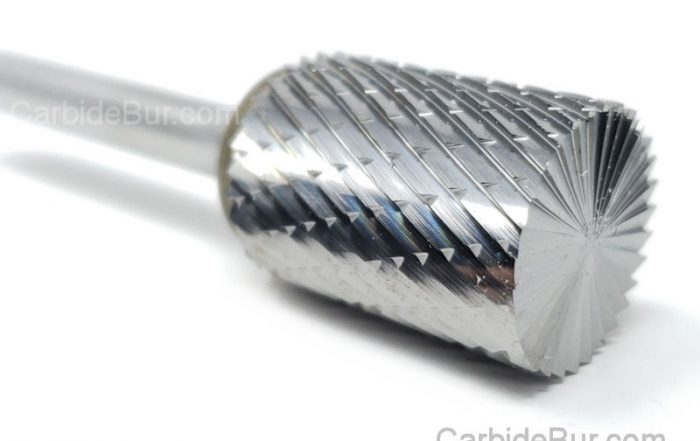
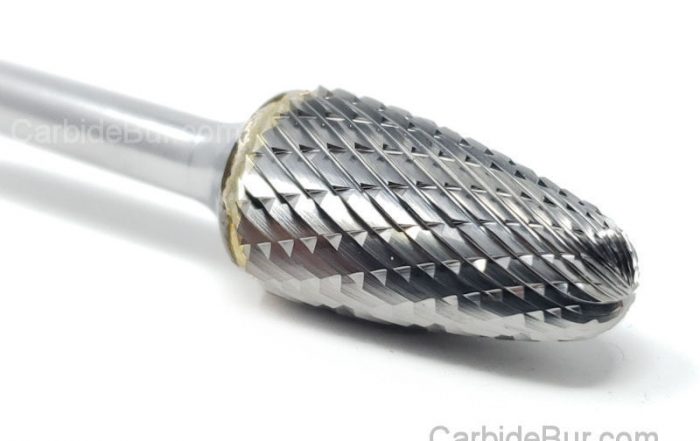
There are several types of carbide burrs, each designed for specific applications. For example, cylindrical burrs are great for flat surfaces and hard-to-reach areas. Meanwhile, spherical burrs are perfect for creating rounded edges or concave shapes. Each type offers a unique advantage, ensuring you have the right tool for the job. Choosing the correct type can make a significant difference in your project’s outcome.
Applications in Metalworking
Carbide burrs have a wide range of applications in metalworking. They’re used to remove excess material, smooth edges, and create intricate designs. Their versatility extends to working with various metals, including aluminum and titanium. For more on the versatility of carbide burrs, explore this resource. Whether you’re customizing a metal piece or repairing worn edges, these tools are invaluable.
Machining Hardened Steel
Transitioning to hardened steel introduces new challenges. This section explores these challenges and how carbide burrs fit in.
Challenges of Hardened Steel
Hardened steel is known for its toughness and resistance to wear. This makes it a popular choice for high-stress applications. However, its hardness also presents challenges in machining. Tools can wear out quickly or struggle to penetrate the material. Precision is critical to avoid damaging the workpiece.
Why Use Carbide Burrs?
Despite the challenges, carbide burrs are a preferred choice for hardened steel. Their toughness allows them to cut through difficult materials efficiently. Carbide burrs maintain their edge longer than other tools, reducing downtime for sharpening. When equipped with the right burr, you can achieve smooth and accurate cuts on hardened steel.
Comparing Cutting Tools for Steel
When comparing cutting tools, carbide burrs often stand out. They offer a balance of durability and precision that other tools struggle to match. For example, while high-speed steel tools can be cheaper, they don’t last as long. Carbide burrs, on the other hand, offer greater longevity and performance, making them a smart investment for regular use. For more tips on selecting the right tool for different metals, check out this helpful guide.
Designing for Performance
Choosing the right design and size of your carbide burr is crucial for enhancing performance. Let’s see why these factors matter.
Importance of Burr Design
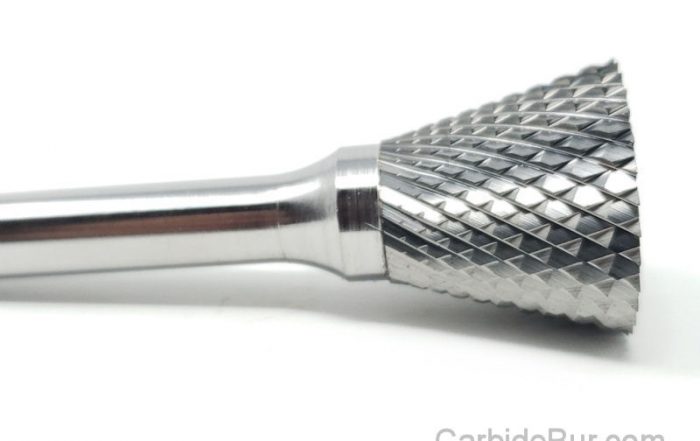
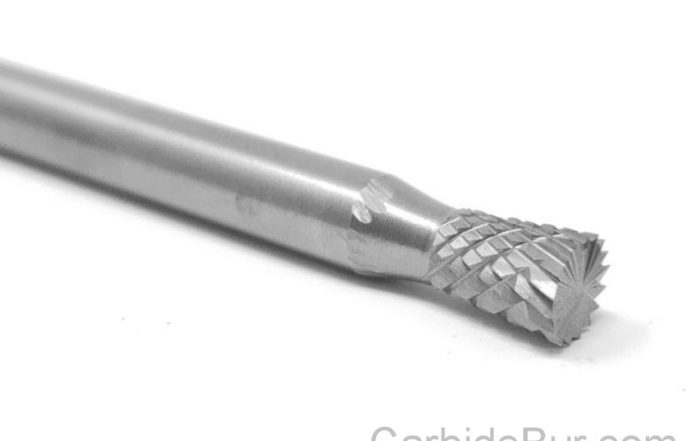
The design of a carbide burr impacts its performance significantly. A well-designed burr allows for smoother cuts and reduces tool wear. The flute pattern, for instance, can affect the chip removal rate and finish quality. A double-cut pattern is often preferred for its versatility and smoother finish.
Selecting the Right Burr Size
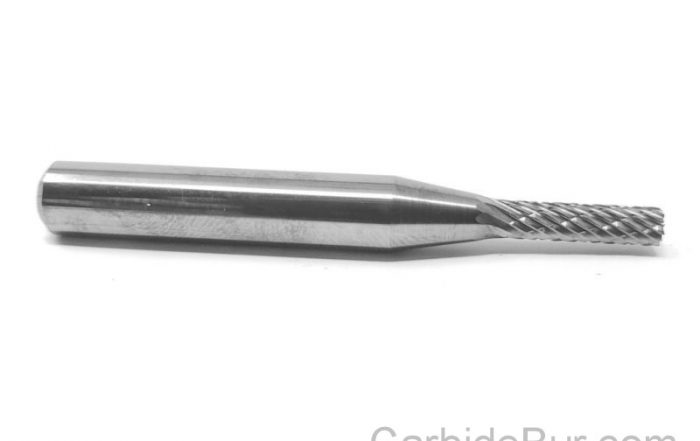
The size of your carbide burr matters as much as its design. Larger burrs can remove more material but require more power. Smaller burrs allow for detailed work and fit into tighter spaces. Selecting the right size ensures efficient cutting and reduces the risk of tool breakage. For more insights on material removal, consider reading this article.
Techniques for Optimal Results
Using carbide burrs effectively involves mastering a few key techniques. First, maintain a consistent speed to reduce tool wear. Second, apply light pressure to avoid overheating. Lastly, always ensure your burr is sharp for the best results. These techniques will help you achieve precise cuts and extend the life of your tools.
Limitations and Alternatives
While carbide burrs are effective, they do have limitations. This section explores their limitations and alternative solutions.
Recognizing Limitations of Carbide Burrs
Carbide burrs, despite their strengths, have certain limitations. They can wear out quickly if used incorrectly or on materials beyond their capacity. Also, heat generation can lead to tool damage. Recognizing these limitations is crucial to prevent tool failure and ensure job efficiency.
Exploring Alternative Tooling for Hardened Materials
When carbide burrs aren’t suitable, other options exist. Diamond burrs, for example, offer superior hardness and are ideal for extremely tough materials. High-speed steel tools can also be a budget-friendly alternative for less demanding tasks. The key is to match the tool to the material and job at hand.
Tips for Effective Metal Burr Use
Maximizing the effectiveness of metal burrs involves a few simple tips:
-
Regularly inspect and sharpen your tools.
-
Use the appropriate speed and pressure for the material.
-
Clean your burrs frequently to remove debris.
These practices will help you achieve better results and extend the life of your tools.
Frequently Asked Questions
Can carbide burrs be used on all types of steel?
Carbide burrs can be used on most types of steel, including hardened steel, due to their toughness and durability. However, it’s essential to choose the correct type and size for the specific application to ensure efficiency and prevent premature wear.
What is the difference between single-cut and double-cut carbide burrs?
Single-cut carbide burrs have one set of spiral flutes and are best for cutting hard materials. Double-cut burrs have two sets of flutes, providing a finer finish and reducing chips. They are more versatile, suitable for a wider range of materials.
How do I maintain my carbide burrs for longer life?
To maintain your carbide burrs, ensure they are regularly sharpened and cleaned. Use appropriate speeds and pressures to minimize wear, and store them properly to avoid damage between uses.
Are there specific safety tips for using carbide burrs?
Yes, always wear safety goggles and gloves when using carbide burrs to protect against flying debris. Ensure the workpiece is securely clamped and maintain a proper grip on the tool to prevent accidents.
What is the best way to choose the right carbide burr for a project?
Consider the material you’re working with and the specific task at hand. Choose the burr size, shape, and cut type that matches your project’s needs. Consulting with a supplier or expert can also provide helpful guidance.
Looking for Carbide Bur Tools?
Check out our entire selection of USA made carbide bur die grinder tool bits
Follow us on Twitter

Return to CarbideBur.com
Carbide Burs – 1/4″ on 1/8″ Shanks – Accessories – Aluminum Cut – Bur Sets – End Mills – Long Shank – Solid Burs

Carbide Burr vs. Grinding Stone: Which Is Better for Metal Removal?
Carbide Burr vs. Grinding Stone: Which Is Better for Metal Removal? When you need to remove metal, smooth a rough edge, or shape a metal component, two common options are carbide burrs and grinding stones. [...]
Carbide Burr Safety: RPM, Eye Protection, and Common Mistakes
Carbide Burr Safety: RPM, Eye Protection, and Common Mistakes Carbide burrs are versatile cutting tools used for metal fabrication, welding cleanup, engine porting, deburring, and general material removal. When used correctly, they can help remove [...]
How to Stop Aluminum from Clogging Your Carbide Burr
How to Stop Aluminum from Clogging Your Carbide Burr Aluminum is widely used in automotive work, welding, metal fabrication, aerospace components, and general machining. It is lightweight, relatively easy to machine, and versatile across many [...]
Carbide Burrs for Intake Manifolds: Shaping, Cleanup, and Fitment
Carbide Burrs for Intake Manifolds: Shaping, Cleanup, and Fitment Intake manifold work often involves more than simply bolting a component onto an engine. Depending on the application, metal intake components may have casting irregularities, rough [...]
Why Long-Shank Carbide Burrs Are Useful for Hard-to-Reach Areas
Why Long-Shank Carbide Burrs Are Useful for Hard-to-Reach Areas When working on metal parts, the area that needs grinding or shaping is not always easy to reach. Recessed openings, deep cavities, interior surfaces, and complicated [...]
Choosing Carbide Burrs for Stainless Steel Fabrication
Choosing Carbide Burrs for Stainless Steel Fabrication Stainless steel is widely used in fabrication because of its corrosion resistance, strength, and durability. However, those same properties can make it challenging to machine and finish. Removing [...]
Can You Use Carbide Burrs in a Dremel? Shank Sizes Explained
Can You Use Carbide Burrs in a Dremel? Shank Sizes Explained If you use a Dremel or another rotary tool for detail work, metal shaping, or small fabrication projects, you may wonder whether you can [...]
How to Choose the Best Carbide Burr for Welding and Metal Fabrication
How to Choose the Best Carbide Burr for Welding and Metal Fabrication Welding and metal fabrication often require more than joining two pieces of metal together. Once the welding is finished, fabricators frequently need to [...]
Carbide Burrs for Cylinder Heads: What Automotive Enthusiasts Need to Know
Carbide Burrs for Cylinder Heads: What Automotive Enthusiasts Need to Know Cylinder head work is an important part of engine building, restoration, and performance machining. Whether you are cleaning up casting imperfections, refining port surfaces, [...]
Engine Porting 101: How Carbide Burrs Help Shape Cylinder Head Ports
Engine Porting 101: How Carbide Burrs Help Shape Cylinder Head Ports Engine performance enthusiasts, automotive machinists, and engine builders often look for ways to improve airflow through an engine's cylinder heads. One technique used in [...]
When to Use a 4-Inch or 9-Inch Die Grinder Extension
When to Use a 4-Inch or 9-Inch Die Grinder Extension Metal fabrication, welding, automotive repair, and engine building often require working in places where a standard die grinder and carbide burr cannot easily reach. Recessed [...]
Why Buy USA-Made Carbide Burr Tools? What Buyers Should Compare
Why Buy USA-Made Carbide Burr Tools? What Buyers Should Compare When shopping for carbide burr tools, it's tempting to compare products based on price alone. However, professionals who use rotary cutting tools for welding, metal [...]