Can You Use a Carbide Burr in a Drill?
Most people think a standard drill can’t handle a carbide burr, but that’s not true. Using carbide burr in the right drill can speed up your work and improve cutting performance. This post breaks down which drill types work best, how to adjust speeds safely, and tips for picking the right burr for each task. Keep reading to get the machining tips that will help you avoid common mistakes and get the job done right. For more on crafting with carbide burrs, check out this guide.
Understanding Carbide Burrs
Carbide burrs are essential tools in machining, offering the ability to shape, cut, and grind materials with precision. Let’s dive deeper into their functionality.
What Are Carbide Burrs?
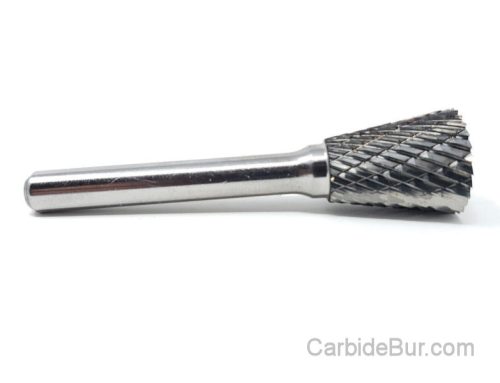
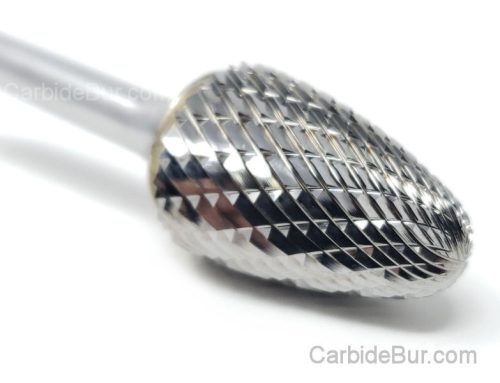
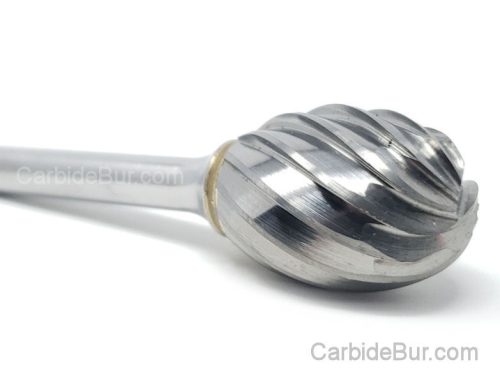
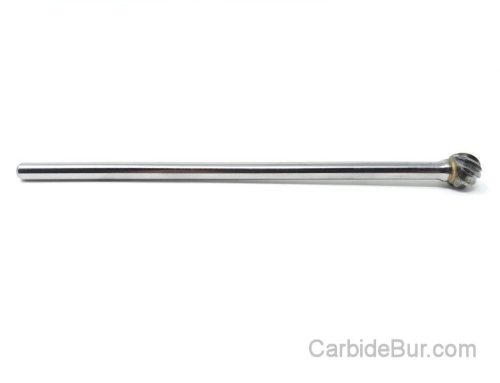
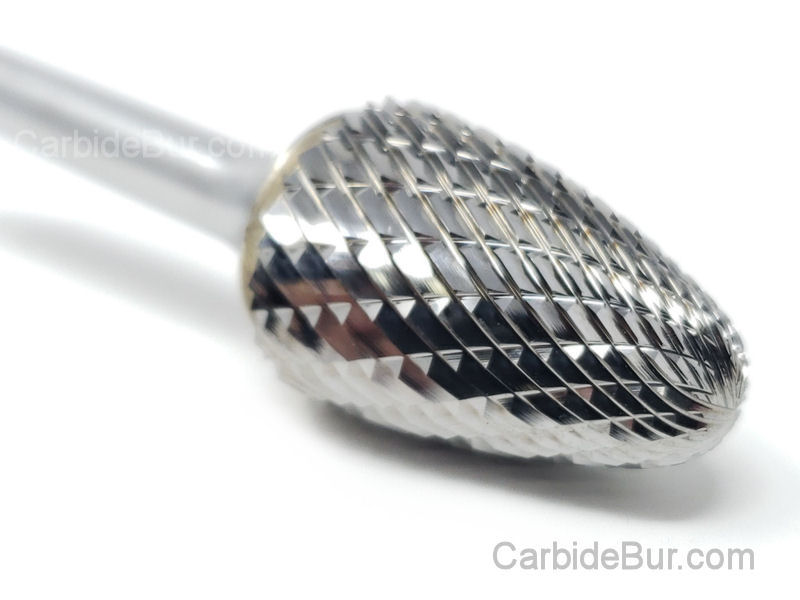
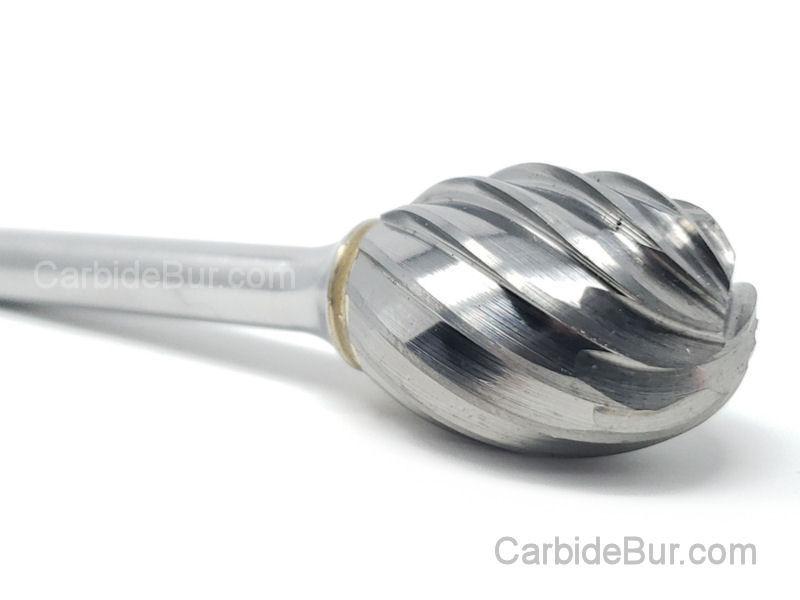
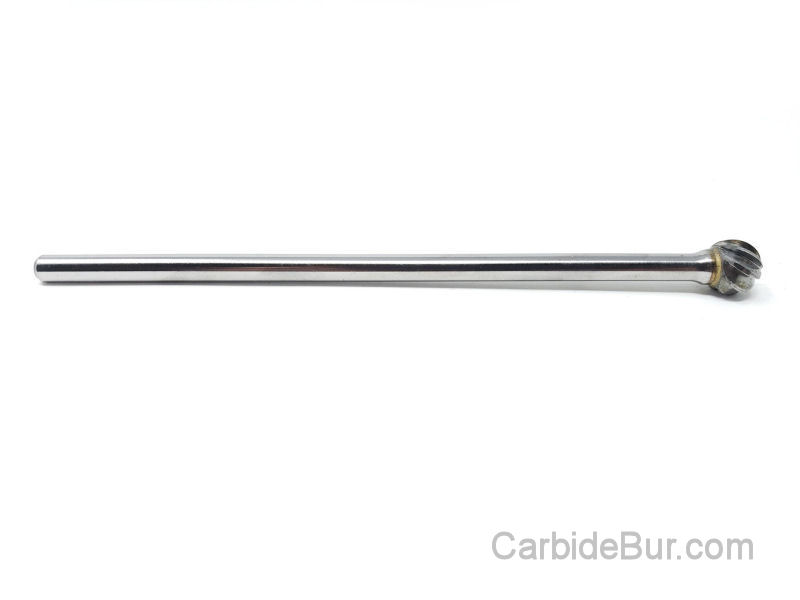
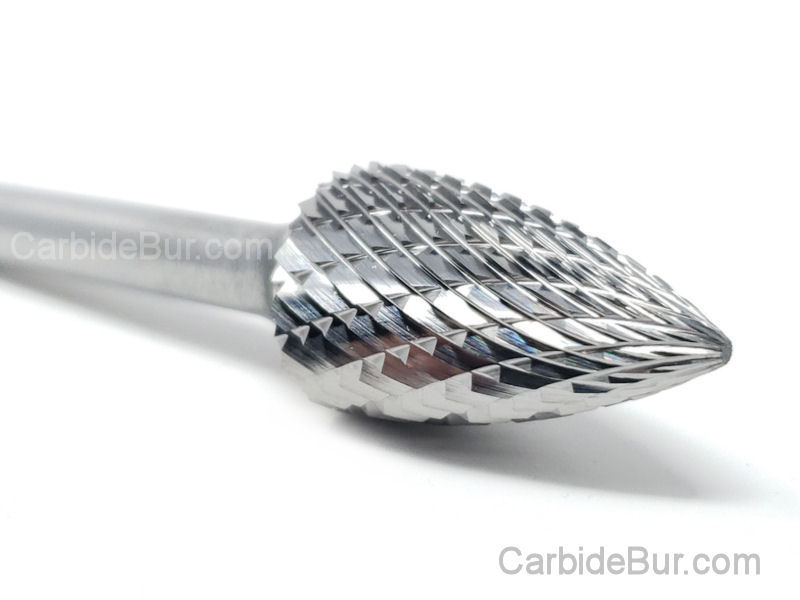
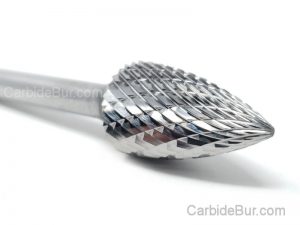
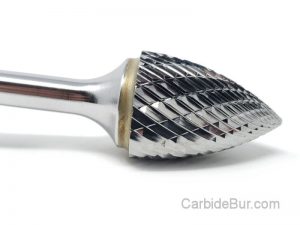
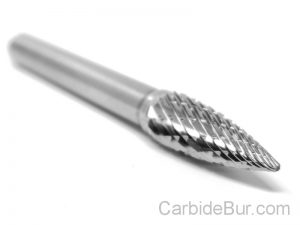
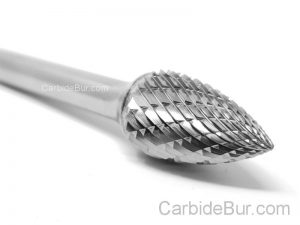
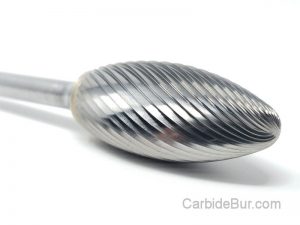
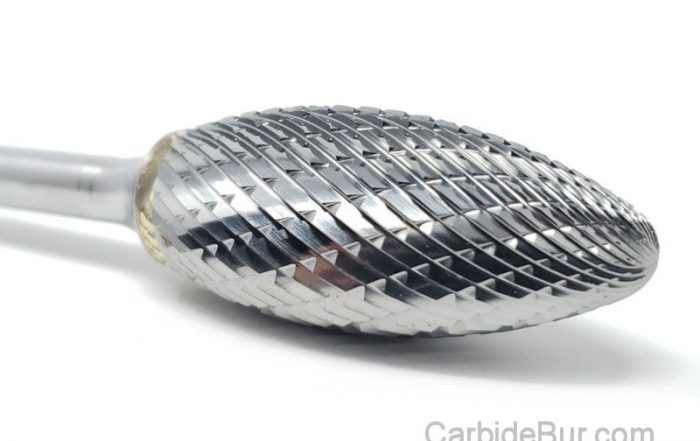
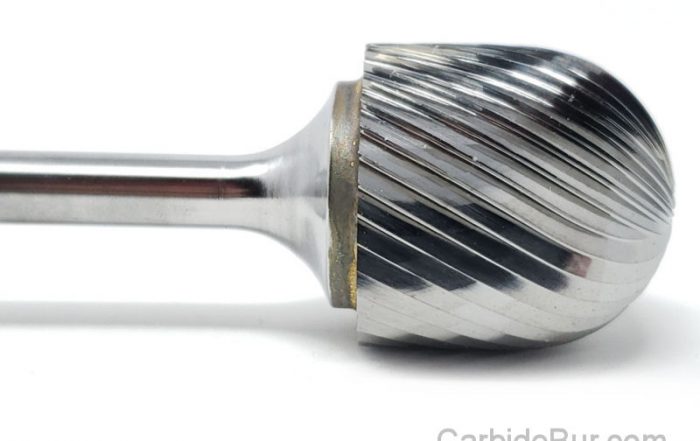
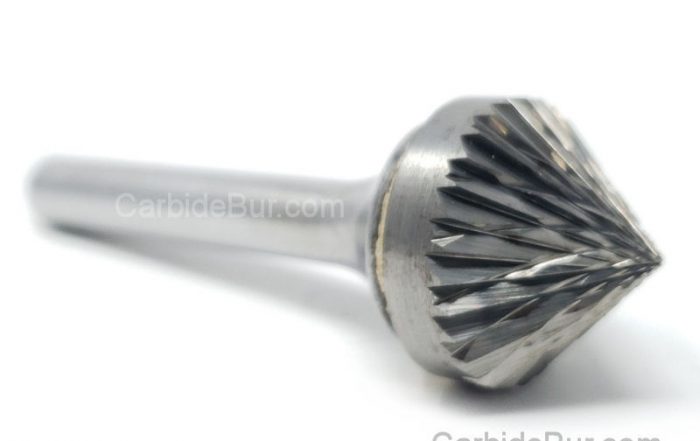
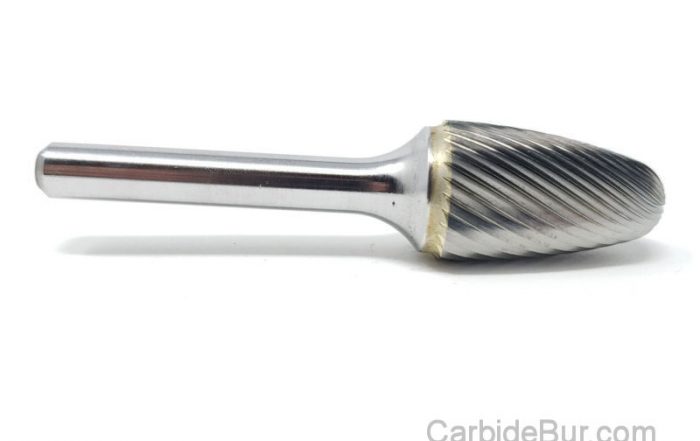
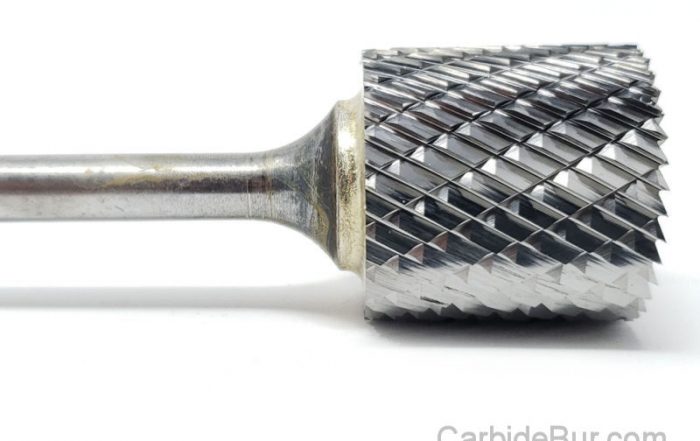
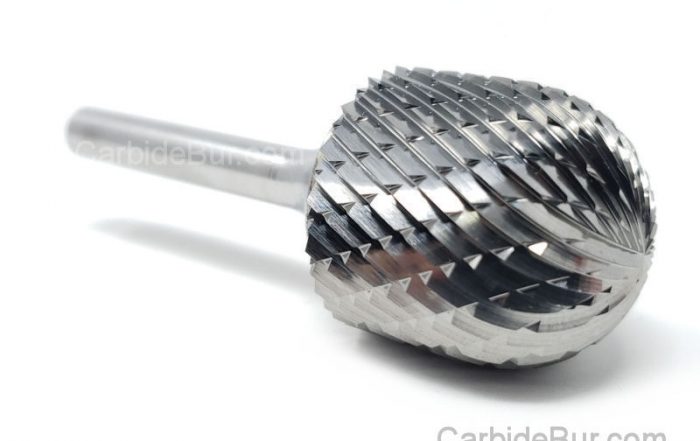
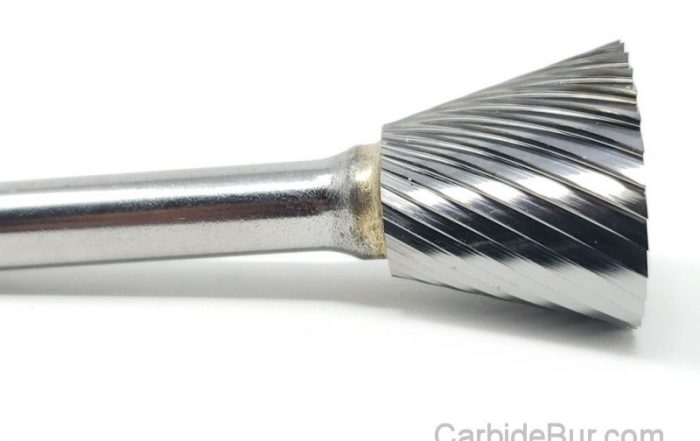
Carbide burrs are cutting tools made from tungsten carbide, known for their strength and durability. They come in various shapes, such as cylindrical, oval, and pointed, to suit different tasks. These burrs can handle tough materials like metal and wood, making them versatile for multiple applications.
The unique composition of carbide burrs allows them to maintain sharpness longer than traditional steel burrs. This longevity makes them a preferred choice for professionals and hobbyists alike. If you’re keen on understanding how these burrs are crafted, explore this resource.
Typical Uses in Machining
Carbide burrs are commonly used in industries such as automotive, metalworking, and woodworking. They are perfect for tasks like deburring, shaping, and finishing edges. These burrs also excel in removing excess material, which is crucial in maintaining smooth surfaces.
In woodworking, carbide burrs help create intricate designs and precise cuts. In metalworking, they are vital for smoothing welds and preparing surfaces for further processing. Their ability to work on a range of materials makes them indispensable in machining.
Key Benefits of Carbide Burrs
Carbide burrs offer several advantages that enhance their appeal in machining. Firstly, their durability ensures a longer tool life, which reduces replacement costs. Secondly, their ability to retain sharpness leads to consistent performance and quality results.
Another benefit is their versatility: whether you’re working on metal, wood, or plastic, carbide burrs can handle various tasks efficiently. This flexibility saves time and effort, allowing you to focus on achieving the desired outcome. For more on choosing the best burr for specific materials, refer to this guide.
Drill Compatibility
Choosing the right drill is crucial for optimizing the use of carbide burrs. Let’s explore the types of drills that work best and how to operate them safely.
Suitable Drill Types
Not all drills are suitable for carbide burrs. The best options are die grinders, rotary tools, and high-speed drills. These tools provide the necessary speed and control to maximize the burr’s cutting power.
Die grinders are particularly effective due to their high RPMs, which are essential for efficient material removal. Rotary tools offer versatility, allowing for precision work on smaller projects. High-speed drills, when used correctly, can also accommodate carbide burrs for certain tasks.
Speed Adjustments for Optimal Use
Adjusting the speed of your drill is key to maximizing the burr’s performance. High speeds are generally preferred, as they allow for smoother cuts and faster material removal. However, it’s important to match the speed to the material you’re working with.
For softer materials like wood, a moderate speed is sufficient. For harder materials like metal, higher speeds are necessary. Always start slow, gradually increasing the speed until you find the optimal setting. This approach minimizes the risk of damage to both the burr and the material.
Ensuring Safe Operation
Safety is paramount when using carbide burrs. Always wear protective gear such as gloves and goggles to shield yourself from debris and sharp fragments. Ensure the burr is securely mounted in the drill before operation.
It’s also important to maintain a firm grip on the tool and work in a well-lit area to avoid accidents. Regularly check the burr for signs of wear or damage, replacing it if necessary. For additional tips on safe operation, consider these safety guidelines.
Enhancing Cutting Performance
Optimizing the cutting performance of your carbide burr involves speed, precision, and proper maintenance.
Speed and Precision Tips
To achieve the best results, use a steady hand and maintain a consistent speed. Applying too much pressure can cause the burr to skip, leading to uneven cuts. Instead, let the tool do the work by applying gentle, controlled pressure.
Precision is key: focus on small sections at a time to ensure accuracy. This method not only improves the quality of your work but also extends the life of the burr by minimizing unnecessary wear.
Avoiding Common Mistakes
Many users make the mistake of using the wrong burr shape for their task. To avoid this, select the burr that matches the material and the specific cut you need. Additionally, running the drill at the wrong speed can lead to poor results and damage.
Another common mistake is neglecting to clean the burr after use. Residue buildup can reduce effectiveness, so make it a habit to clean your burrs regularly. This practice will keep them in optimal condition and ready for the next project.
Maintaining Burr Longevity
Proper maintenance is crucial for extending the life of carbide burrs. Regularly check for signs of wear, such as dullness or chipping, and replace them when needed. Store them in a dry, safe place to prevent rusting or other damage.
By following these steps, you can ensure that your carbide burrs remain effective and efficient throughout their lifespan. For tips on selecting the right burrs for specific tasks, explore this guide.
Choosing the Right Carbide Burr
Selecting the appropriate carbide burr for your project can significantly impact the outcome. Here’s how to make the right choice.
Matching Burrs to Materials
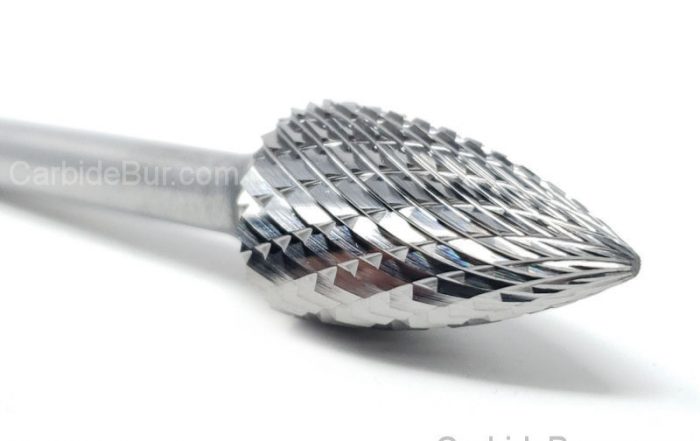
Different materials require different burr shapes and sizes. For metal, choose a burr with a double-cut pattern for efficient material removal. For wood, a single-cut burr is ideal for smooth finishes.
Consider the material’s hardness when selecting a burr: harder materials need tougher, more robust burrs to handle the load. By matching the burr to the material, you can achieve better results and improve overall efficiency.
Applications in Woodworking and Metalworking
In woodworking, carbide burrs are used for carving, shaping, and smoothing. They allow for intricate designs and detailed work that would be difficult with other tools. In metalworking, burrs help with deburring, weld cleaning, and surface preparation.
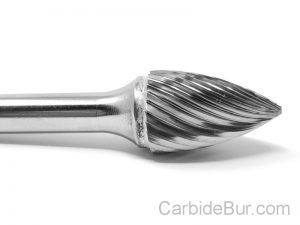
Each application requires a specific burr shape to achieve the desired effect. For example, a cylindrical burr is perfect for flat surfaces, while a tree-shaped burr is ideal for rounded corners. Understanding these applications will guide you in choosing the right burr for your project.
Selecting Burrs for Specific Tasks
Choosing the right burr means considering the task at hand. For bolt cutting, use a burr with a pointed end for precision. For material removal in tight spaces, a small, pointed burr offers better control.
Evaluate your project’s requirements and select a burr that complements the task. This approach not only improves results but also enhances overall cutting performance. For insights on perfecting material removal, refer to this article.
Expanding Machining Capabilities
By mastering the use of carbide burrs, you can unlock new possibilities in your machining projects. Here’s how.
DIY Machining Tips
When working on DIY projects, start with a clear plan and the right tools. Use carbide burrs to create precise cuts and intricate details. Practice on scrap materials to hone your skills before tackling the main project.
Experiment with different burr shapes and materials to discover what works best for your needs. With practice, you’ll find that carbide burrs offer endless opportunities for creativity and innovation.
Exploring New Project Ideas
Carbide burrs open up a world of project possibilities. Consider creating custom wood carvings or intricate metal designs. Use your imagination to push the boundaries of what you can achieve with these versatile tools.
Join online communities or forums to gain inspiration and share your creations. By exploring new ideas, you can continue to expand your skills and capabilities in machining.
Overcoming Common Machining Challenges
Machining challenges are common, but knowing how to overcome them is key. Start by identifying the problem, whether it’s tool wear or material compatibility. Then, adjust your approach or tools accordingly.
Stay informed by reading articles and guides on machining best practices. By continually learning and adapting, you can tackle any challenge that comes your way in your machining journey.
Frequently Asked Questions
Can you use a carbide burr in a standard drill?
Yes, you can use a carbide burr in a standard drill, but it’s important to choose a high-speed drill for optimal performance. Ensure the burr is securely attached and adjust the speed based on the material you’re working with.
What is the best speed for using a carbide burr?
The ideal speed depends on the material: softer materials like wood require moderate speeds, while harder materials like metal need higher speeds. Start slow and increase gradually until you find the best setting.
How do I maintain my carbide burrs?
Regularly clean your burrs after use to remove debris, and check for signs of wear or damage. Store them in a dry, safe place to prevent rusting and ensure they remain effective for future use.
What shapes of carbide burrs are available?
Carbide burrs come in various shapes, including cylindrical for flat surfaces, round for contouring, and tree-shaped for rounded corners. Choose the shape that best suits the task at hand.
Are carbide burrs suitable for all materials?
Carbide burrs are versatile and can work on a range of materials, including metal, wood, and plastic. Select the appropriate burr based on the material’s hardness and the specific task you want to accomplish.
Looking for Carbide Bur Tools?
Check out our entire selection of USA made carbide bur die grinder tool bits
Follow us on Twitter

Return to CarbideBur.com
Carbide Burs – 1/4″ on 1/8″ Shanks – Accessories – Aluminum Cut – Bur Sets – End Mills – Long Shank – Solid Burs
Can You Use a Carbide Burr in a Drill?
Can You Use a Carbide Burr in a Drill? Most people think a standard drill can’t handle a carbide burr, but that’s not true. Using carbide burr in the right drill can speed up your [...]
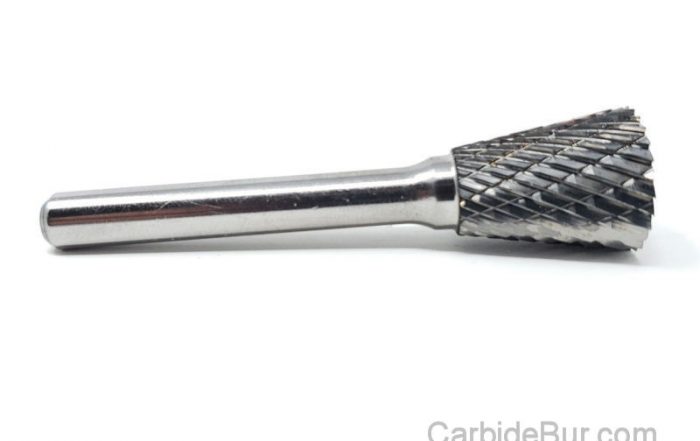
Carbide Burrs for Removing Rust: What Works Best?
Carbide Burrs for Removing Rust: What Works Best? Rust can turn your favorite tools into useless junk faster than you expect. Removing it without ruining the metal underneath takes more than just elbow grease—it demands [...]
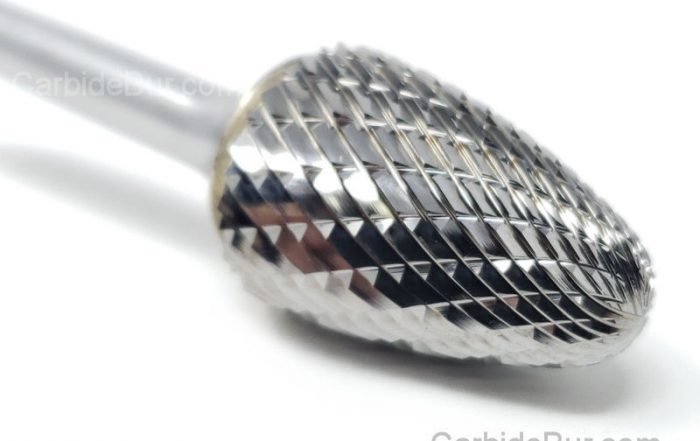
How Much Pressure Should You Use With a Carbide Burr?
How Much Pressure Should You Use With a Carbide Burr? Most people think pressing harder with a carbide burr speeds up the job. That’s not true—too much pressure wears out your tool and ruins the [...]
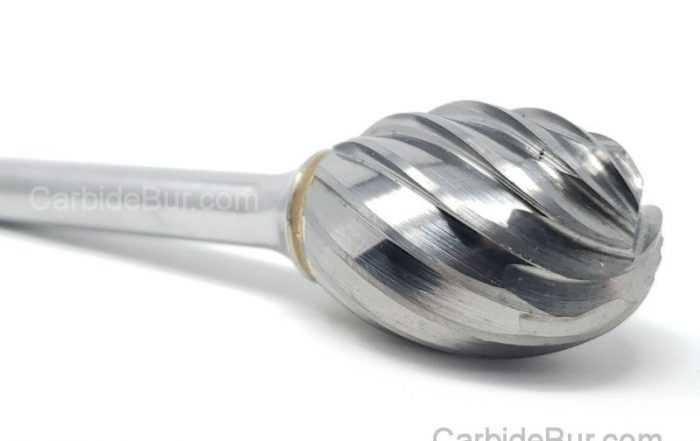
Can You Use Carbide Burrs With an Air Die Grinder?
Can You Use Carbide Burrs With an Air Die Grinder? Most people don’t realize how well carbide burrs work with air die grinders until they try them. If you’ve ever struggled with finding the right [...]
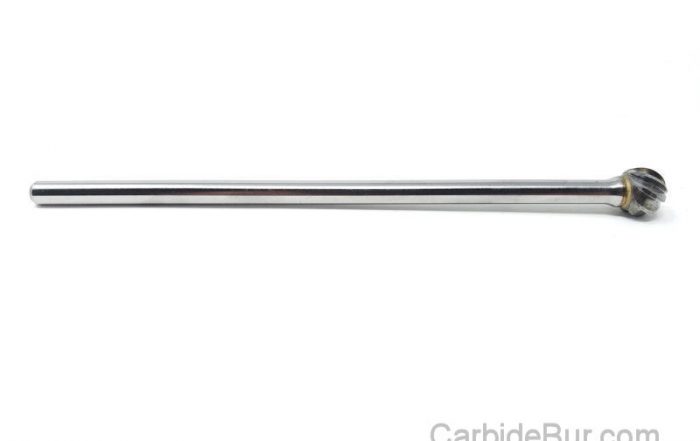
Best Long Reach Carbide Burr for Deep Metal Work
Best Long Reach Carbide Burr for Deep Metal Work Long reach carbide burrs often promise deep metal access, but many fall short where it counts most. You need a tool that cuts cleanly, lasts through [...]
What RPM Should You Use for a 1/8 Inch Carbide Burr?
What RPM Should You Use for a 1/8 Inch Carbide Burr? Most people guess the right carbide burr RPM by feel—and waste hours redoing work. If you want cleaner cuts and longer tool life, your [...]
Carbide Burrs for Tight Spaces: Choosing the Right Shape
Carbide Burrs for Tight Spaces: Choosing the Right Shape Tackling tight spaces with the wrong carbide burrs wastes time and risks damaging your work. Choosing the right burr shape makes all the difference when working [...]
Can Carbide Burrs Remove Paint From Metal?
Can Carbide Burrs Remove Paint From Metal? Stripping paint from metal often feels like a tough chore that risks damaging the surface underneath. Many turn to carbide burrs hoping they can speed things up without [...]
How to Grind a Groove in Metal With a Carbide Burr
How to Grind a Groove in Metal With a Carbide Burr Most metalworkers struggle to cut clean grooves without wasting time or ruining their workpiece. Many try different metalworking tools but end up with uneven [...]
Can Carbide Burrs Cut Through Welds?
Can Carbide Burrs Cut Through Welds? Cutting through welds can feel like a battle, especially when you need clean results without harming the base metal. Carbide burrs offer a sharp edge in this fight, but [...]
How to Use a Carbide Burr With a Die Grinder
How to Use a Carbide Burr With a Die Grinder Most people treat a carbide burr like just another tool, but using it with a die grinder takes skill. If you’ve struggled with burr installation [...]
1/8 vs 1/4 Inch Carbide Burrs: What’s the Difference?
1/8 vs 1/4 Inch Carbide Burrs: What's the Difference? Choosing between a 1/8 inch carbide burr and a 1/4 inch carbide burr can change how your project turns out. Many machinists and hobbyists overlook how [...]