Carbide Burrs for Tight Spaces: Choosing the Right Shape
Tackling tight spaces with the wrong carbide burrs wastes time and risks damaging your work. Choosing the right burr shape makes all the difference when working around detailed contours or narrow spots. This guide breaks down the best carbide burr for tight spaces, helping you pick tools that slide into those tricky areas with precision and control. Your next project will benefit from sharper cuts and smoother finishes where it counts most. For more insights, check out this resource.
Understanding Carbide Burrs
To grasp the power of carbide burrs, you need to see them as the unsung heroes of precision work. They turn intricate designs into reality, especially in tight spots.
What Are Carbide Burrs?
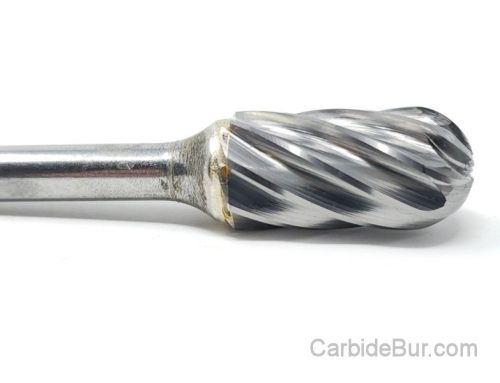
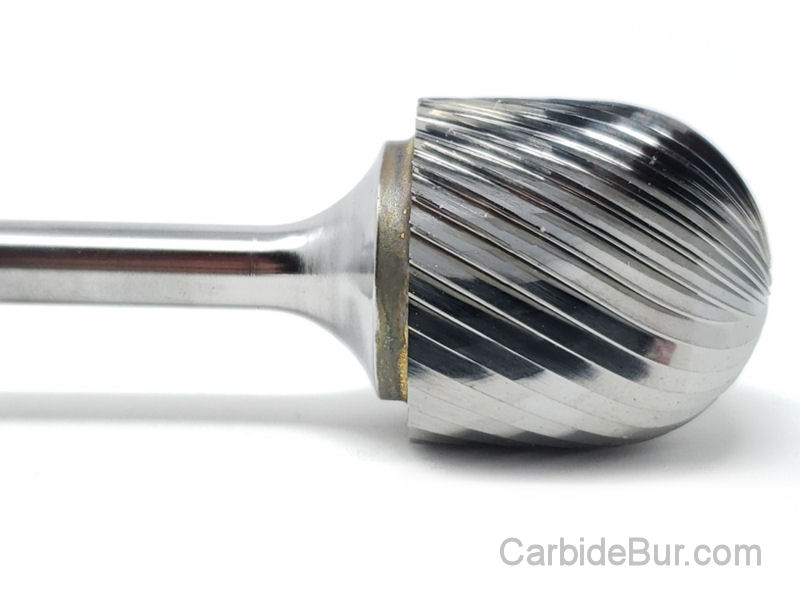
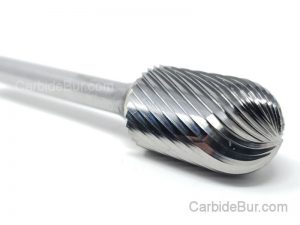
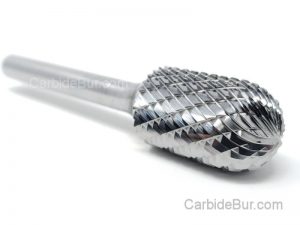
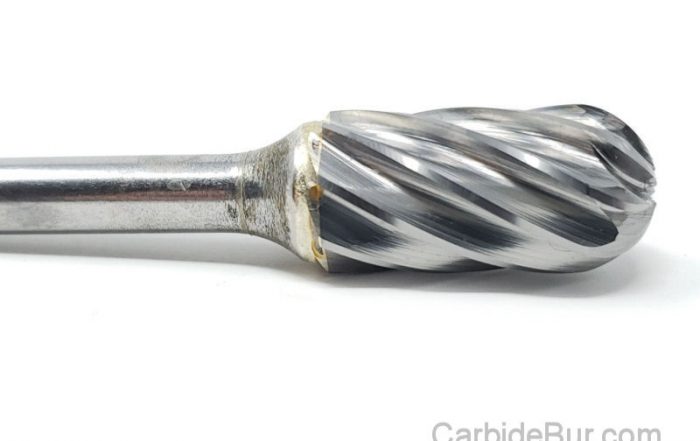
Carbide burrs are small, rotary tools that help shape, grind, and cut materials. Crafted from tough tungsten carbide, these tools handle a variety of tasks. You can find them in workshops, helping with metal, wood, and even stone projects. Their durability makes them a favorite among professionals. They maintain their shape and sharpness, providing consistent results every time you use them.
Importance of Shape in Tight Spaces
The shape of a carbide burr can make or break your project. Different shapes offer unique advantages when working in confined spaces. When navigating around complex contours, the right shape ensures control and accuracy. This is crucial when working on detailed tasks like automotive repair or jewelry making. The right shape helps you avoid mistakes, saving both time and material. For an in-depth look at selecting burrs, visit this guide.
Popular Burr Shapes for Confined Spaces
Once you understand carbide burrs, it’s time to explore the most common shapes that excel in tight areas. Each shape offers distinct advantages.
Cylinder Burrs: Straight and Narrow
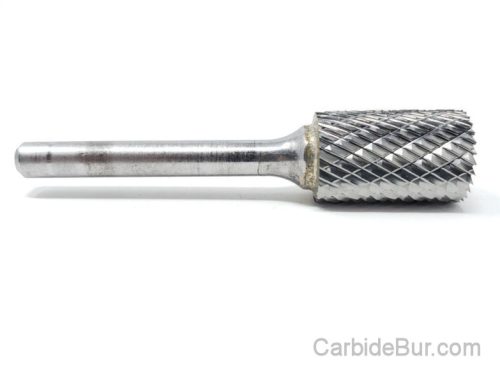
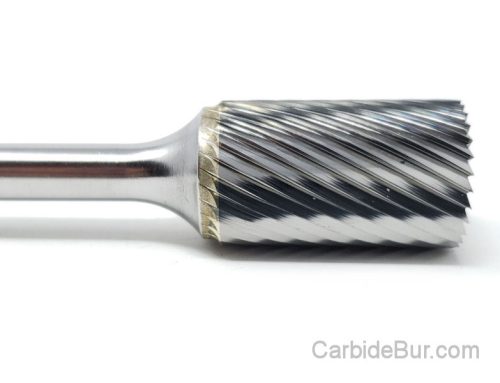
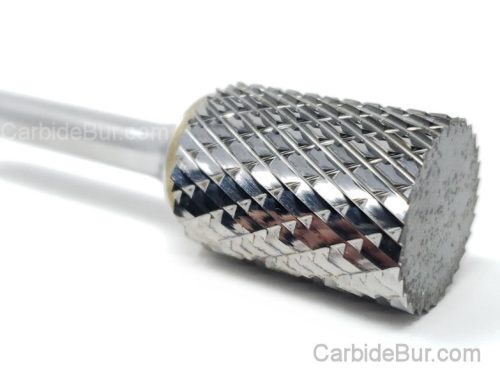
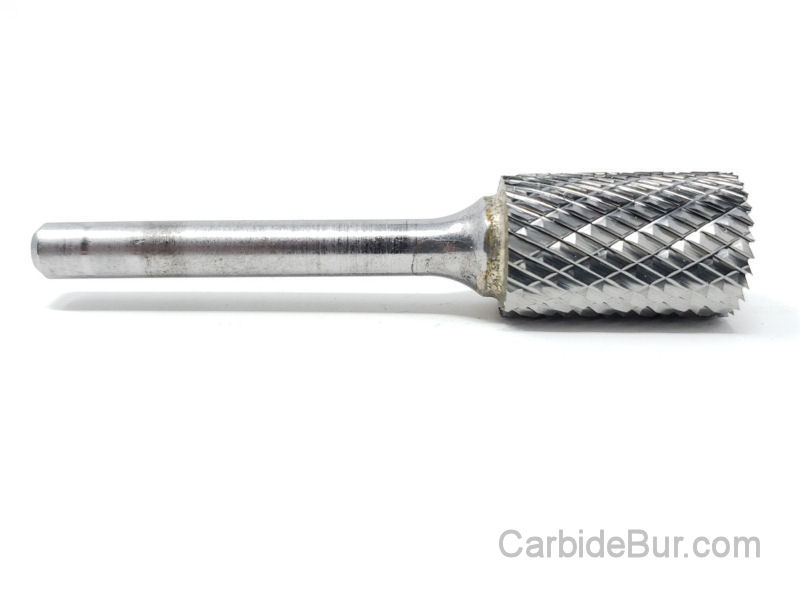
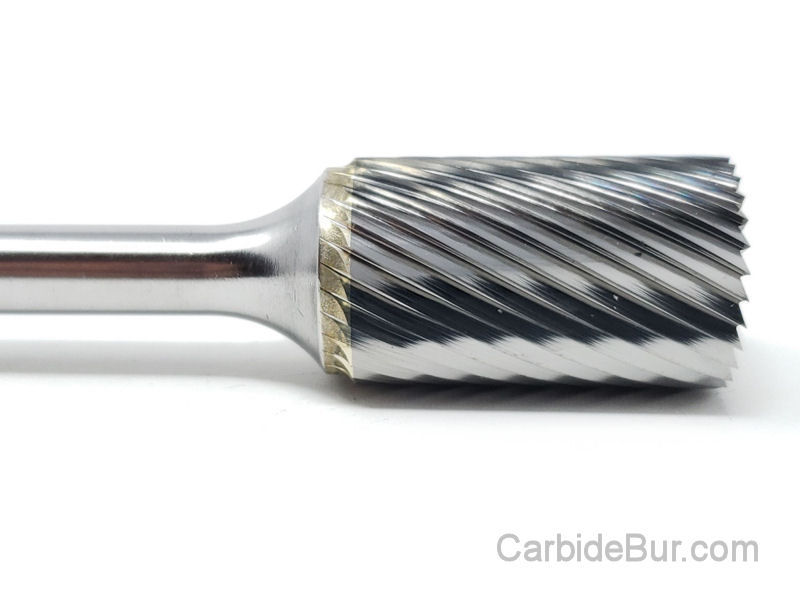
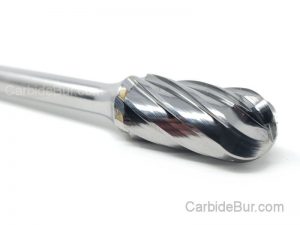
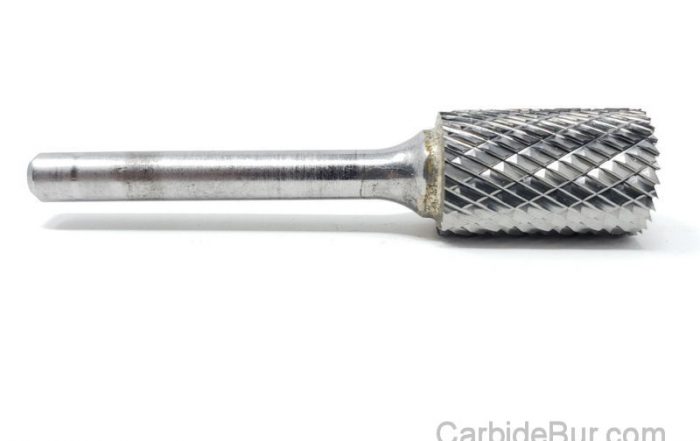
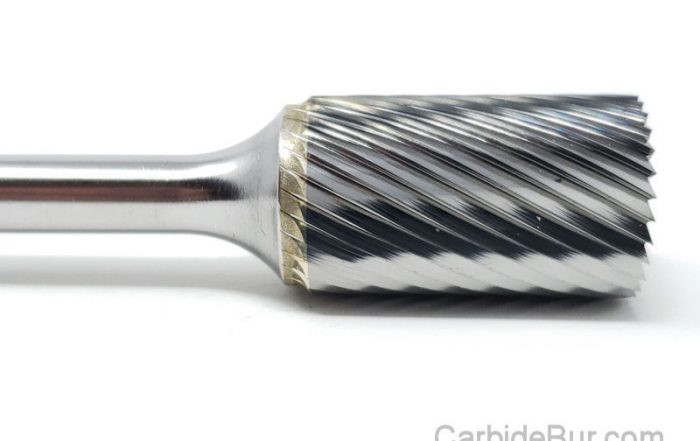
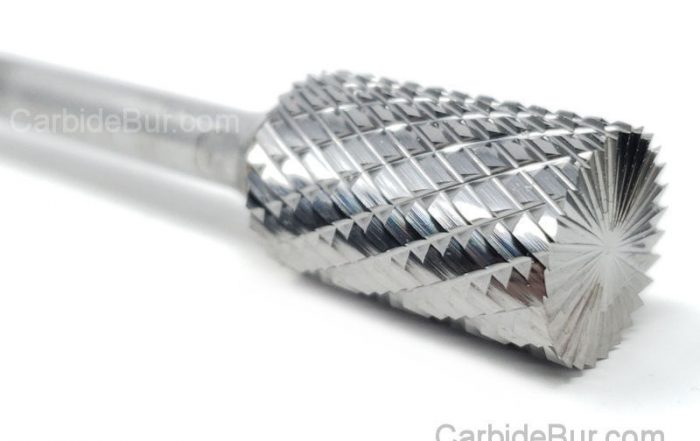
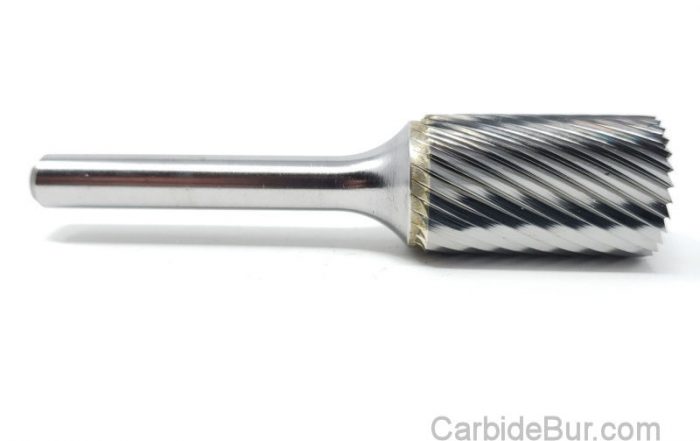
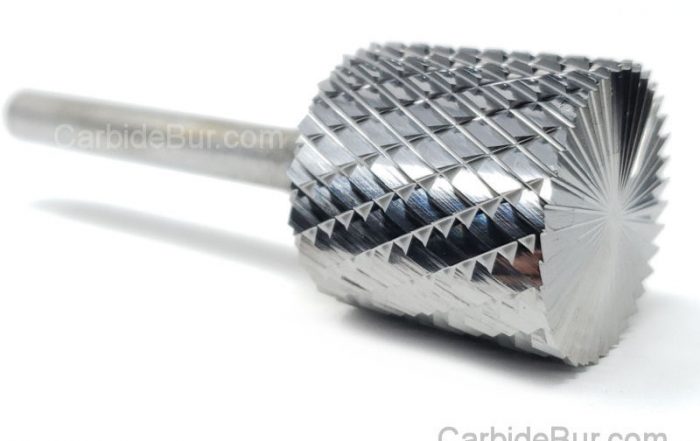
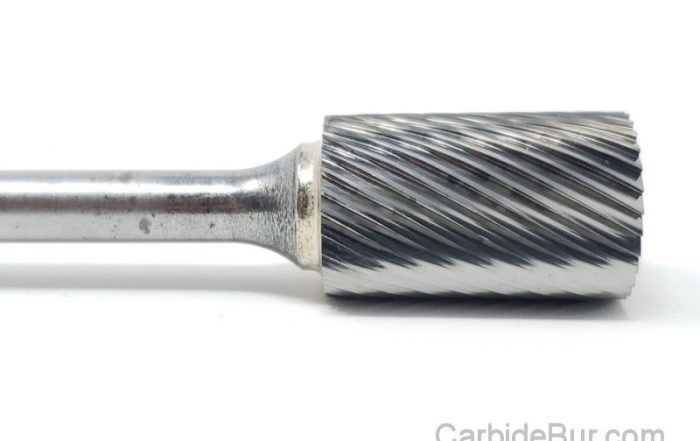
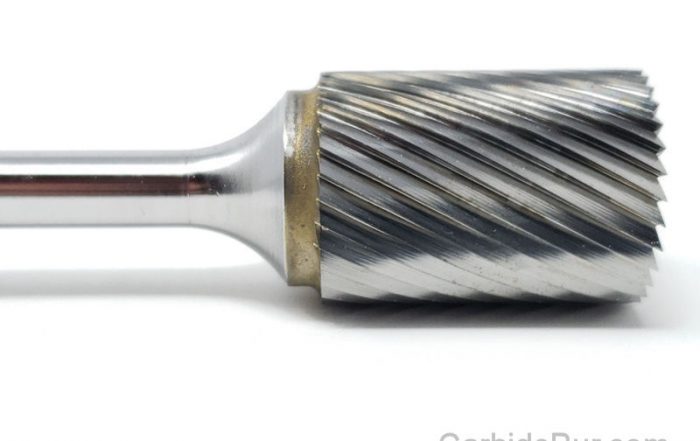
Cylinder burrs are perfect for flat surfaces and right angles. Their straight design makes them ideal for precise, linear cuts. Use them when you need to remove material evenly. These burrs excel in creating smooth, flat surfaces, especially in metalworking. They’re your go-to for achieving clean lines and defined edges.
Cone Burrs: Tapered Precision
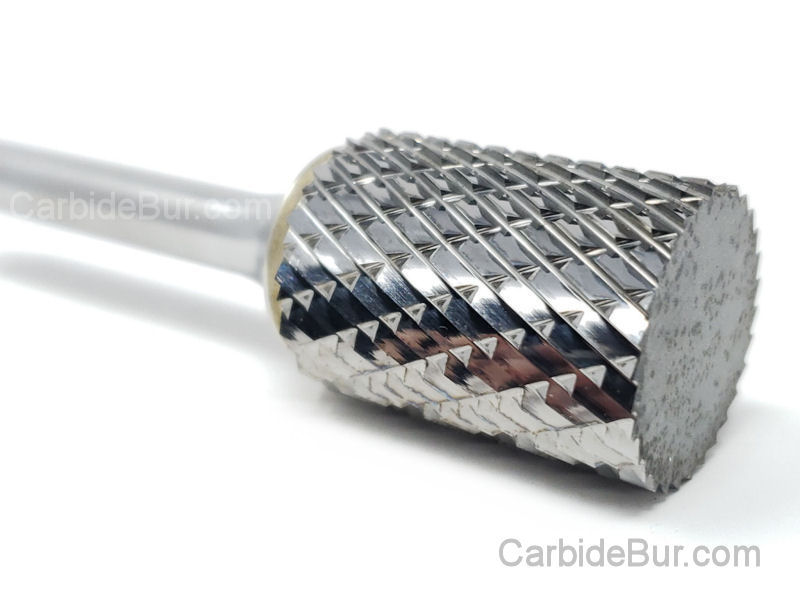
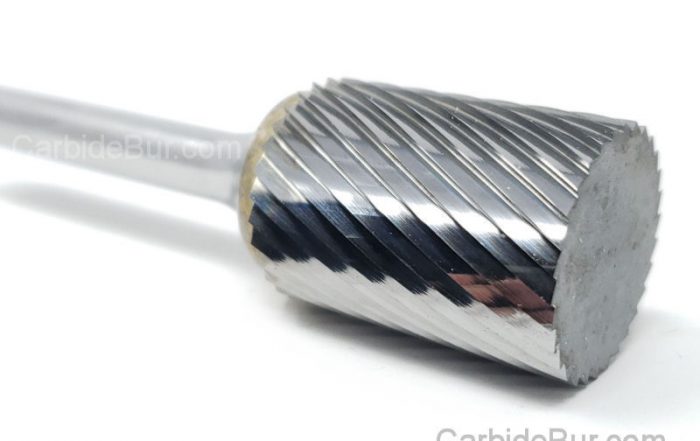
Cone burrs bring versatility to your toolkit. Their tapered design allows you to reach into narrow spaces effortlessly. They are ideal for beveling, deburring, and working on angled surfaces. When you need to taper edges or create fine details, these burrs perform exceptionally well. They offer control and precision, making them a favorite in jewelry making.
Tree Burrs: Navigating Curves
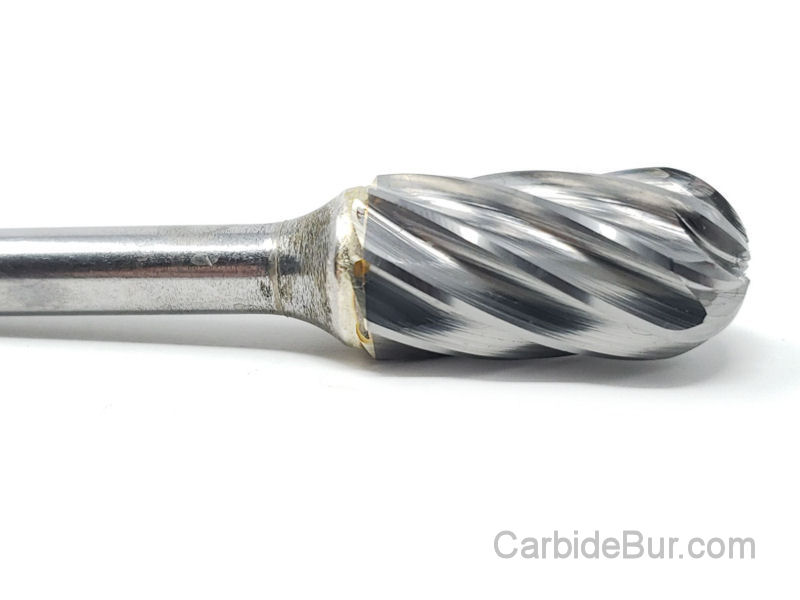
Tree burrs are the masters of curved surfaces. With a pointed tip, they navigate contours and concave areas with ease. Use them to carve out intricate designs or smooth out uneven surfaces. They offer the flexibility needed to handle complex shapes. This makes them invaluable in projects where precision is paramount. Discover more about their versatility here.
Choosing the Right Burr for Your Project
Selecting the right burr shape involves understanding both your material and project needs. Let’s explore what you should consider.
Factors to Consider
When choosing a burr, think about the material you’re working with and the desired outcome. Consider the project’s complexity and the level of detail required. The burr’s size, shape, and cut type also play significant roles. A well-chosen burr can streamline your work, reducing the time it takes to achieve your goals.
Matching Burr Shape to Material
Each material reacts differently to various burr shapes. Metalworking may require a different approach than wood or stone. For instance, when working with metal, choosing a burr like those recommended here can enhance performance. Matching the burr to your material ensures better results and prolongs tool life.
Benefits of Proper Burr Selection
Choosing the right burr can transform your project outcomes. Let’s see how this choice impacts different fields.
Enhancing Precision in Metalworking
In metalworking, precision is key. The right burr offers control, allowing you to make accurate cuts and shapes. This precision reduces waste and enhances the quality of the final product. Metalworkers often achieve superior finishes and intricate details by selecting the appropriate burr.
Perfecting Designs in Jewelry Making
Jewelry making demands attention to detail. Using the correct burr ensures cleaner cuts and enhances design precision. It allows jewelers to execute intricate patterns and smooth edges effectively. This precision leads to stunning pieces that stand out.
Maintenance and Care Tips
Proper care extends the life of your carbide burrs. Let’s explore some maintenance tips to keep them in top shape.
Ensuring Longevity of Your Tools
Maintain your burrs by cleaning them after each use. Use a brush to remove material buildup. Store them in a dry place to prevent rust and damage. Regular maintenance ensures they perform at their best and last longer.
Safe Practices for Burr Usage
Safety should always be a priority. Wear protective gear, such as goggles and gloves, when using carbide burrs. Ensure your workspace is well-lit and free from clutter. Proper handling reduces the risk of accidents and ensures your projects go smoothly.
Frequently Asked Questions
What are carbide burrs used for?
Carbide burrs shape, grind, and cut various materials. They are essential in metalworking, woodworking, and jewelry making for their precision and durability.
How do you choose the right burr shape?
Choose based on your material and project needs. Consider factors like the material’s hardness, the desired finish, and the complexity of the task.
What is the best burr for tight spaces?
Cone and tree burrs excel in tight spaces. Their shapes allow for precision work around detailed contours and narrow areas.
How can I maintain carbide burrs?
Clean burrs after each use and store them in a dry space. Regular maintenance, like removing buildup, keeps them sharp and effective.
Are carbide burrs safe to use?
Yes, with proper precautions. Always wear protective gear and ensure your workspace is safe. Follow guidelines to minimize risks while using these tools.
Looking for Carbide Bur Tools?
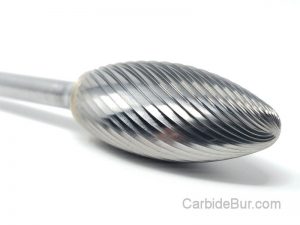
Check out our entire selection of USA made carbide bur die grinder tool bits
Follow us on Twitter

Return to CarbideBur.com
Carbide Burs – 1/4″ on 1/8″ Shanks – Accessories – Aluminum Cut – Bur Sets – End Mills – Long Shank – Solid Burs
Choosing the Right Carbide Burr Shape for Your Metalworking Projects
Choosing the Right Carbide Burr Shape for Your Metalworking Projects You might think all carbide burr shapes do the same job, but that’s far from true. Choosing the wrong shape can waste time and leave [...]
U.S. Cutting Tool Shipments Reach New Heights
U.S. Cutting Tool Shipments Reach New Heights: What It Means for Manufacturing Professionals U.S. cutting tool shipments soared to $278.1 million in July 2026, marking a 29% jump from last year. If you’re in fabrication [...]
How 3D-Printed Carbide is Redefining Precision Toolmaking with Kennametal’s Latest Technology
How 3D-Printed Carbide is Redefining Precision Toolmaking with Kennametal's Latest Technology Custom hole-finishing tools have long faced limits in design and cooling options that hold back their performance. Kennametal’s new 3D-printed carbide grade changes that [...]

The Future of Additive Manufacturing in Aerospace and Automotive Industries
The Future of Additive Manufacturing in Aerospace and Automotive Industries Metal 3D printing is no longer just a concept for prototypes; it’s scaling up fast in aerospace and automotive fields. But raw prints don’t meet [...]
Navigating the Tungsten Carbide Shortage
Navigating the Tungsten Carbide Shortage: Strategies for Metalworkers in 2026 The tungsten carbide shortage in 2026 is hitting metalworkers hard, pushing tool prices higher and supply tighter than most expected. If you’ve noticed your carbide [...]
How Export Controls and Tungsten Processing Impact Carbide Production
How Export Controls and Tungsten Processing Impact Carbide Production Tungsten supply issues are hitting carbide tool manufacturing harder than ever before. Export controls and shifts in tungsten processing have tightened availability, stretching manufacturing lead times [...]
From Alloys to Automation: Mastering CNC Machining for Speed and Accuracy
From Alloys to Automation: Mastering CNC Machining for Speed and Accuracy The old ways of machining can’t keep up with today’s demands for speed and precision. You’re working with tougher alloys and expecting flawless results [...]
Top Deburring Tools for Stainless Steel: From Carbide Burrs to Sanding Blocks
Top Deburring Tools for Stainless Steel: From Carbide Burrs to Sanding Blocks Most people damage their stainless steel finish while trying to deburr it. If you’ve struggled to get smooth edges without ruining your work, [...]

Enhance Your Fabrication Projects with Advanced Finishing Methods
Enhance Your Fabrication Projects with Advanced Finishing Methods You just finished a tough weld, but the job isn’t done yet. Skipping key post-welding processes can leave your joints weak and your project looking rough. In [...]
Grinding Metal in Tight Spaces: Top Tool Picks and Essential Safety Tips
Grinding Metal in Tight Spaces: Top Tool Picks and Essential Safety Tips Grinding metal in tight spaces is a challenge many metalworkers and DIYers face. Using the wrong tools often leads to frustration and sloppy [...]
Finding the Best Carbide Burrs for Perfect Weld Cleanup: A Welder’s Guide
Finding the Best Carbide Burrs for Perfect Weld Cleanup: A Welder's Guide Welding cleanup can waste hours if you pick the wrong tools. Using carbide burrs that don’t fit your weld removal or metal blending [...]
Riding the Wave: How the Machine-Tool Orders Surge is Shaping Manufacturing
Riding the Wave: How the Machine-Tool Orders Surge is Shaping Manufacturing Machine-tool orders have jumped by 45% this year, shaking up the manufacturing scene. If you're a tool buyer, this surge means fresh chances to [...]