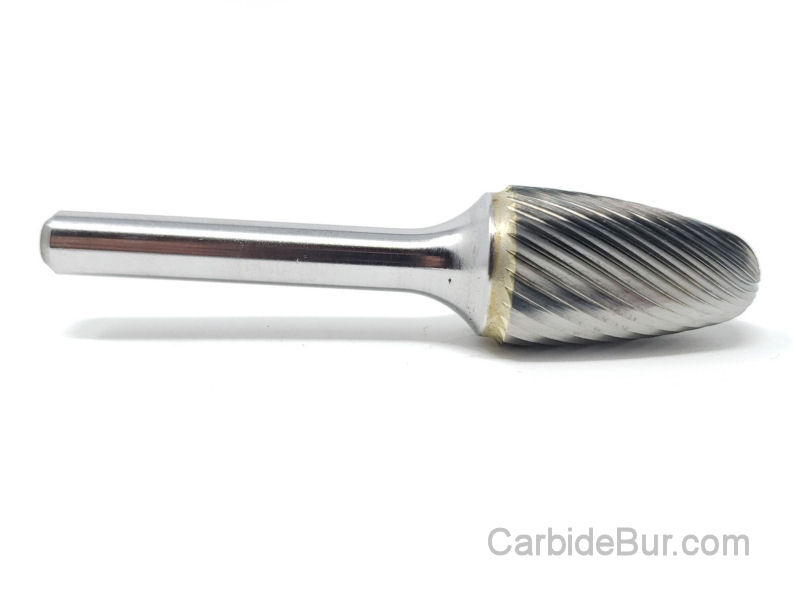
How to Grind a Groove in Metal With a Carbide Burr
Most metalworkers struggle to cut clean grooves without wasting time or ruining their workpiece. Many try different metalworking tools but end up with uneven results or unsafe setups. This guide breaks down how to use a carbide burr for grinding grooves with precision, showing you which burr shape fits your project and how to keep control throughout the process. You’ll also get safety tips to protect yourself and your metal as you work. For more insights on metalworking techniques, check out this guide on perfecting material removal in tight spaces.
Choosing the Right Carbide Burr
Selecting the correct carbide burr is crucial for efficient metalworking. This section walks you through the basics, ensuring your choice matches your project needs.
Understanding Carbide Burr Shapes
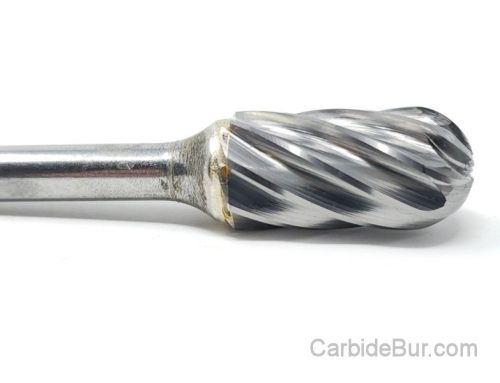
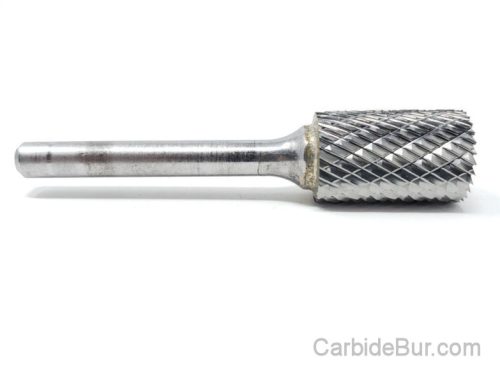
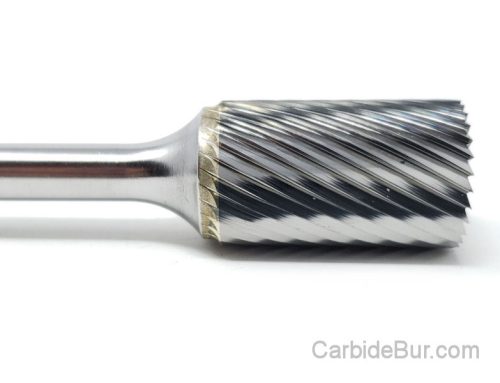
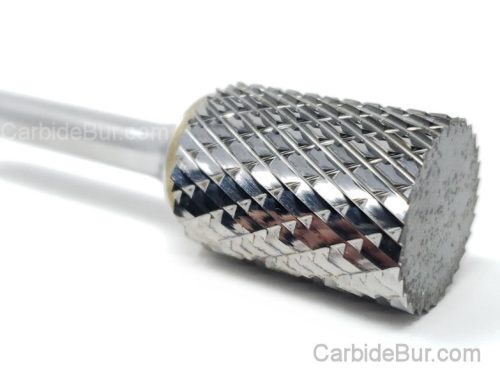
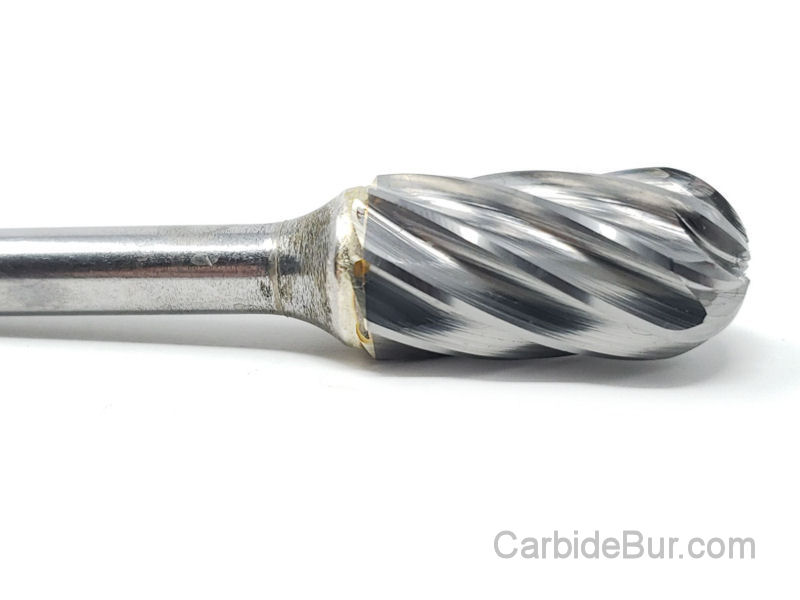
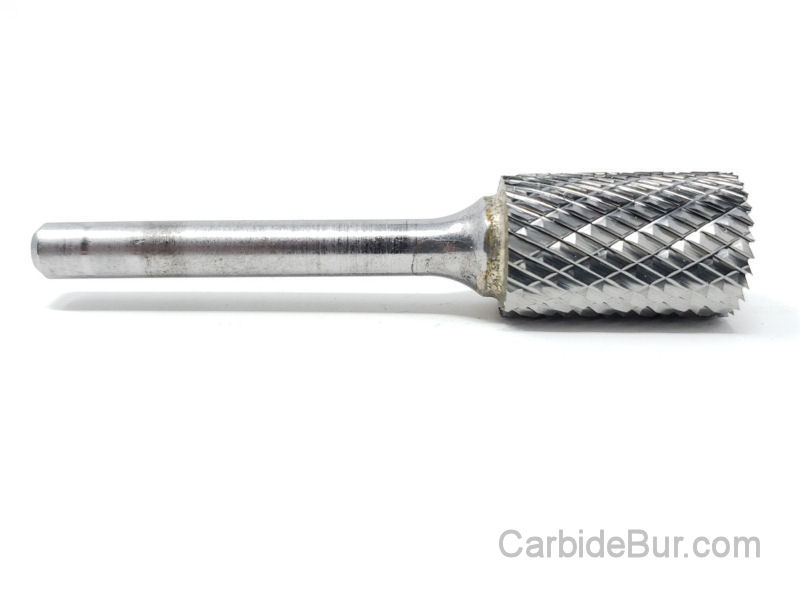
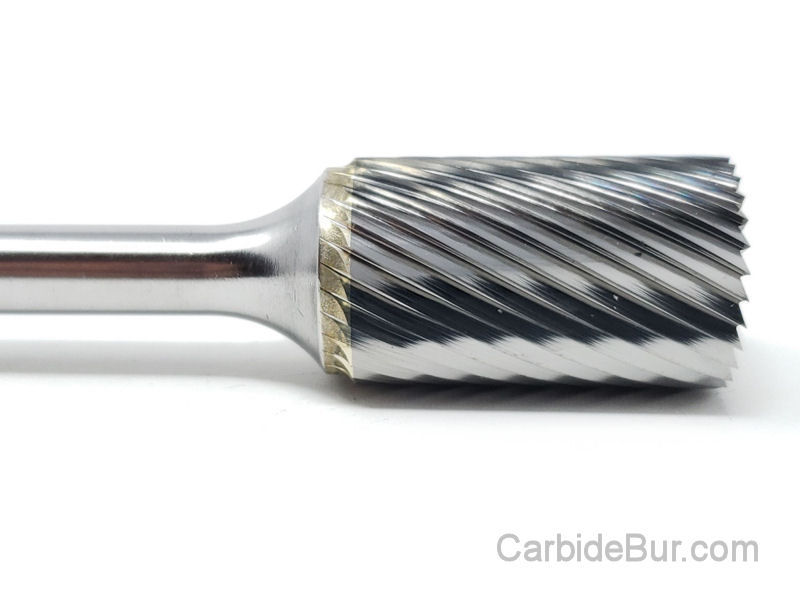
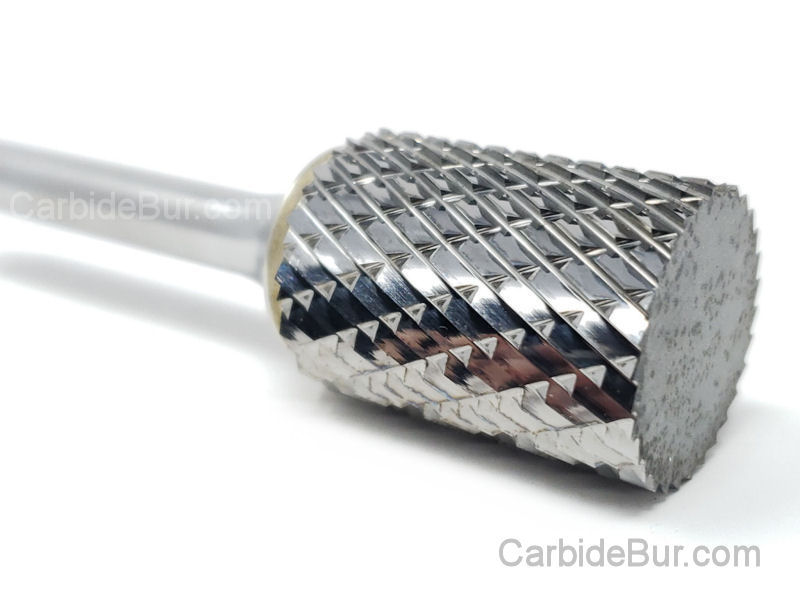
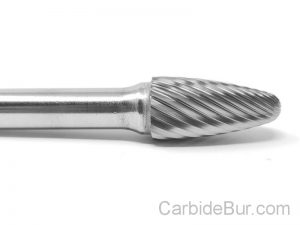
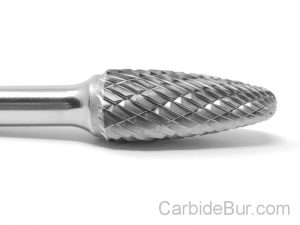
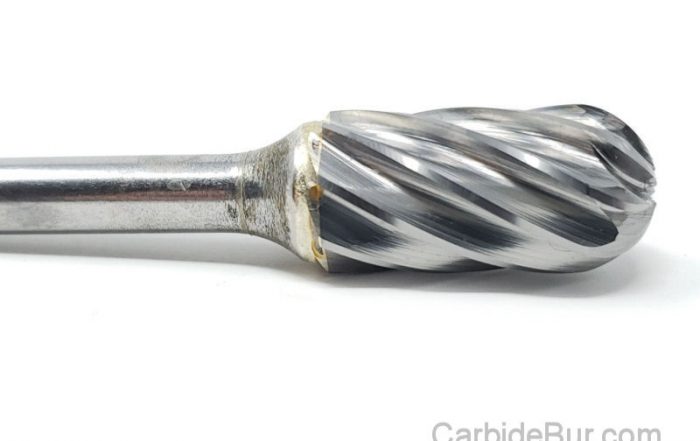
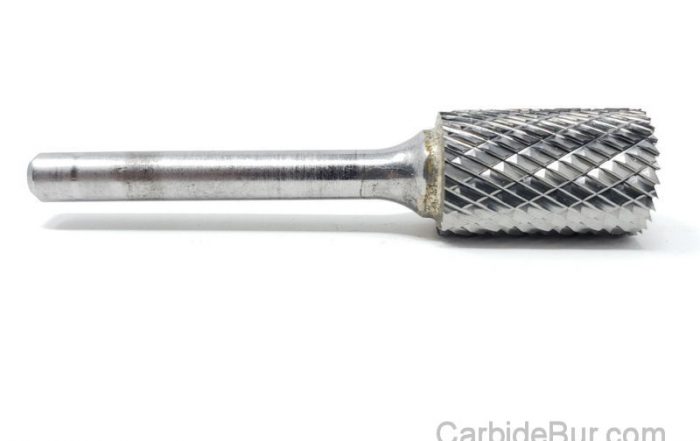
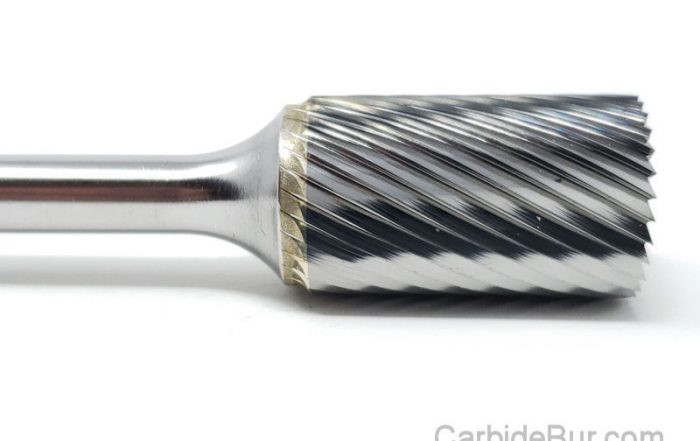
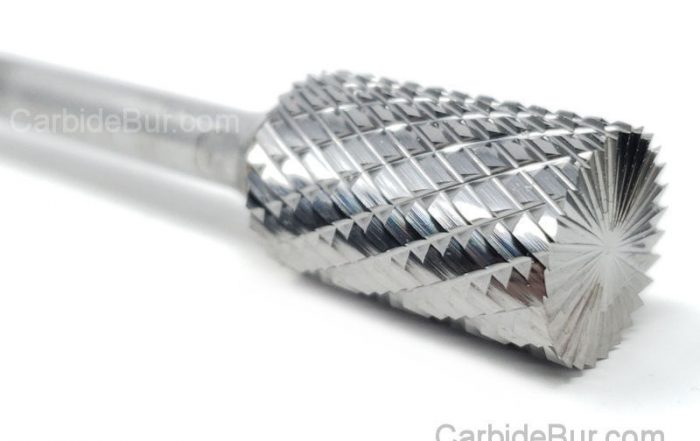
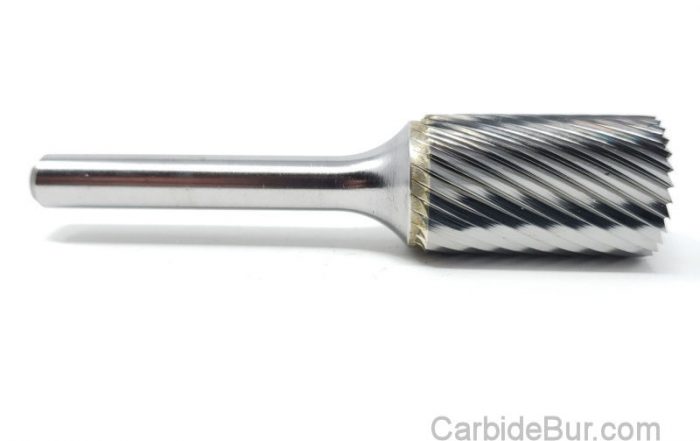
Each burr shape serves a specific purpose. Cylindrical burrs are perfect for straight-edged grooves, while ball-shaped burrs excel in creating rounded profiles. When choosing a shape, consider the groove style you aim to achieve. For example, a cylinder shape aids in straight lines, while a flame shape allows for smoother, curved edges. Remember, the right shape not only enhances precision but also reduces the risk of error and waste. To explore more shapes, visit this comprehensive guide.
Selecting the Correct Burr Size
Size matters in metalworking. Larger burrs remove more material quickly, which is beneficial for broader grooves. In contrast, smaller burrs offer more control for intricate details. Assess your metal piece’s thickness and the desired depth of the groove. A larger burr might seem faster, but it could compromise the detail if not used carefully. Start with a smaller size if precision is your primary goal, then gradually increase if necessary. This approach minimizes errors and ensures better results.
Groove Grinding Techniques
Now that you’ve chosen the right burr, it’s time to dive into the grinding techniques that will help you achieve the perfect groove.
Setting Up for Precision
Precision begins with setup. Secure your workpiece firmly to avoid slips. Align your burr with the intended groove path. A steady hand ensures consistency. Using a vice can stabilize your material, allowing for more accurate grinding. Adjust your grip on the tool to balance control with flexibility. Start slowly to establish a groove line and increase speed gradually. This method reduces the chance of unwanted cuts and ensures a smoother finish. Check out this detailed article for more tips on setup.
Step-by-Step Grinding Process
-
Mark Your Groove Path: Use a marker to outline the groove to maintain consistency.
-
Begin With Light Pressure: Start grinding with minimal force to establish the initial groove.
-
Adjust Speed and Pressure: As you gain confidence, increase the speed and apply more pressure.
-
Evaluate Frequently: Stop periodically to check your progress and make necessary adjustments.
Following these steps ensures a clean, precise groove. Keep your carbide burr moving smoothly to avoid overheating or damaging your workpiece.
Safety Tips for Metal Grinding
Grinding metal can be dangerous without proper precautions. Here’s how to keep safe while working.
Essential Protective Gear
Safety gear is your first line of defense. Always wear safety goggles to protect your eyes from flying debris. A mask or respirator prevents inhalation of metal particles. Gloves offer grip and protect your hands from sharp edges. These items are non-negotiable for safe grinding. Additional gear like ear protection can also be beneficial, especially in loud environments.
Maintaining a Safe Work Environment
A clutter-free workspace minimizes accidents. Ensure your area is well-lit and organized. Keep flammable materials away from the grinding site. Regularly inspect your tools for wear and tear. A damaged burr can lead to unpredictable results and potential hazards. Implementing these practices not only protects you but also improves your workflow efficiency. For more safety insights, consider exploring this versatile guide.
Enhancing Craftsmanship with Burrs
With safety covered, let’s focus on how carbide burrs enhance your craftsmanship.
Achieving Functional Groove Profiles
Functional grooves serve specific purposes. Whether it’s a joint or a channel, the groove must meet precise requirements. Using the right burr, you can achieve seamless fits and strong connections. Consistency in depth and width ensures the groove performs its intended function. Pay attention to detail and adjust your technique as needed. This approach not only meets practical needs but also boosts the overall quality of your work.
Aesthetic Considerations in Metalwork
Beyond functionality, aesthetics play a key role. Smooth, polished grooves enhance the visual appeal of your projects. Consider the finished look as you work, adjusting burr speed and pressure to achieve a flawless surface. A well-crafted groove can transform a simple piece into an eye-catching work of art. Aim for smooth transitions and clean edges for the best results.
Troubleshooting Common Issues
Mistakes happen, but knowing how to address them keeps your project on track.
Avoiding Overheating and Damage
Overheating can ruin your workpiece. To prevent this, keep the burr moving steadily. Pause periodically to allow the metal to cool. If you notice discoloration, reduce speed immediately. Proper lubrication can also help manage heat. Remember, patience is key: rushing increases the risk of heat-related damage.
Ensuring Consistent Groove Depth
Inconsistent depths can compromise your groove’s functionality. Use a depth gauge to monitor progress. Maintain steady pressure and movement for uniformity. If variations occur, retrace your steps to even out the groove. Consistency ensures the final product meets both aesthetic and functional standards, strengthening your skills as a metalworker.
Frequently Asked Questions
What is the best carbide burr shape for straight grooves?
Cylindrical burrs are ideal for creating straight grooves. They provide a uniform cut that aligns with the groove path.
How do I prevent overheating while grinding?
Keep the burr moving and take breaks to cool the metal. Use lubricant to reduce friction and manage temperature.
What safety gear is essential for metal grinding?
Always wear safety goggles, a mask, and gloves. These protect against debris, inhalation of particles, and cuts.
How can I ensure consistent groove depth?
Use a depth gauge and maintain steady pressure. Regular checks and adjustments help achieve uniform groove depth.
Why is carbide preferred for metal grinding?
Carbide is durable and retains sharpness longer, making it efficient for precise metalworking tasks.
Looking for Carbide Bur Tools?
Check out our entire selection of USA made carbide bur die grinder tool bits
Follow us on Twitter

Return to CarbideBur.com
Carbide Burs – 1/4″ on 1/8″ Shanks – Accessories – Aluminum Cut – Bur Sets – End Mills – Long Shank – Solid Burs
Choosing the Right Carbide Burr Shape for Your Metalworking Projects
Choosing the Right Carbide Burr Shape for Your Metalworking Projects You might think all carbide burr shapes do the same job, but that’s far from true. Choosing the wrong shape can waste time and leave [...]
U.S. Cutting Tool Shipments Reach New Heights
U.S. Cutting Tool Shipments Reach New Heights: What It Means for Manufacturing Professionals U.S. cutting tool shipments soared to $278.1 million in July 2026, marking a 29% jump from last year. If you’re in fabrication [...]
How 3D-Printed Carbide is Redefining Precision Toolmaking with Kennametal’s Latest Technology
How 3D-Printed Carbide is Redefining Precision Toolmaking with Kennametal's Latest Technology Custom hole-finishing tools have long faced limits in design and cooling options that hold back their performance. Kennametal’s new 3D-printed carbide grade changes that [...]

The Future of Additive Manufacturing in Aerospace and Automotive Industries
The Future of Additive Manufacturing in Aerospace and Automotive Industries Metal 3D printing is no longer just a concept for prototypes; it’s scaling up fast in aerospace and automotive fields. But raw prints don’t meet [...]
Navigating the Tungsten Carbide Shortage
Navigating the Tungsten Carbide Shortage: Strategies for Metalworkers in 2026 The tungsten carbide shortage in 2026 is hitting metalworkers hard, pushing tool prices higher and supply tighter than most expected. If you’ve noticed your carbide [...]
How Export Controls and Tungsten Processing Impact Carbide Production
How Export Controls and Tungsten Processing Impact Carbide Production Tungsten supply issues are hitting carbide tool manufacturing harder than ever before. Export controls and shifts in tungsten processing have tightened availability, stretching manufacturing lead times [...]
From Alloys to Automation: Mastering CNC Machining for Speed and Accuracy
From Alloys to Automation: Mastering CNC Machining for Speed and Accuracy The old ways of machining can’t keep up with today’s demands for speed and precision. You’re working with tougher alloys and expecting flawless results [...]
Top Deburring Tools for Stainless Steel: From Carbide Burrs to Sanding Blocks
Top Deburring Tools for Stainless Steel: From Carbide Burrs to Sanding Blocks Most people damage their stainless steel finish while trying to deburr it. If you’ve struggled to get smooth edges without ruining your work, [...]

Enhance Your Fabrication Projects with Advanced Finishing Methods
Enhance Your Fabrication Projects with Advanced Finishing Methods You just finished a tough weld, but the job isn’t done yet. Skipping key post-welding processes can leave your joints weak and your project looking rough. In [...]
Grinding Metal in Tight Spaces: Top Tool Picks and Essential Safety Tips
Grinding Metal in Tight Spaces: Top Tool Picks and Essential Safety Tips Grinding metal in tight spaces is a challenge many metalworkers and DIYers face. Using the wrong tools often leads to frustration and sloppy [...]
Finding the Best Carbide Burrs for Perfect Weld Cleanup: A Welder’s Guide
Finding the Best Carbide Burrs for Perfect Weld Cleanup: A Welder's Guide Welding cleanup can waste hours if you pick the wrong tools. Using carbide burrs that don’t fit your weld removal or metal blending [...]
Riding the Wave: How the Machine-Tool Orders Surge is Shaping Manufacturing
Riding the Wave: How the Machine-Tool Orders Surge is Shaping Manufacturing Machine-tool orders have jumped by 45% this year, shaking up the manufacturing scene. If you're a tool buyer, this surge means fresh chances to [...]