
Carbide Bur Cut Option
Should you choose single or double cut carbide bur die grinder bits?
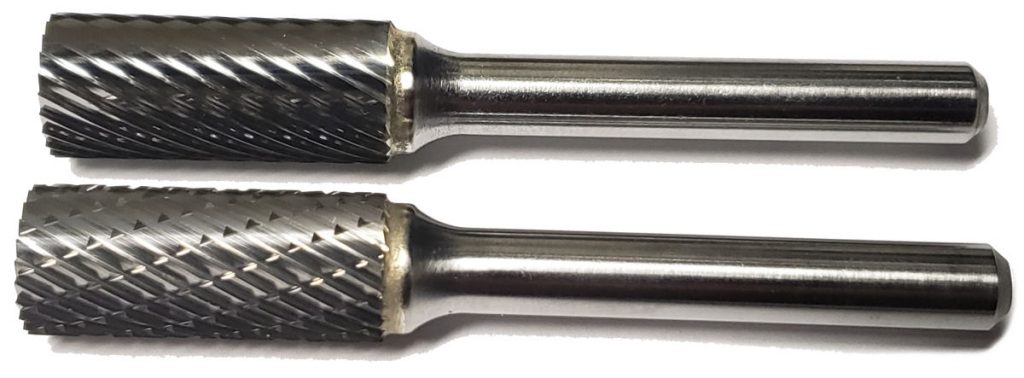
Choose Double Cut or Single Cut Carbide Bur?
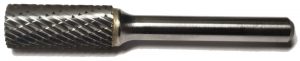
Double Cut
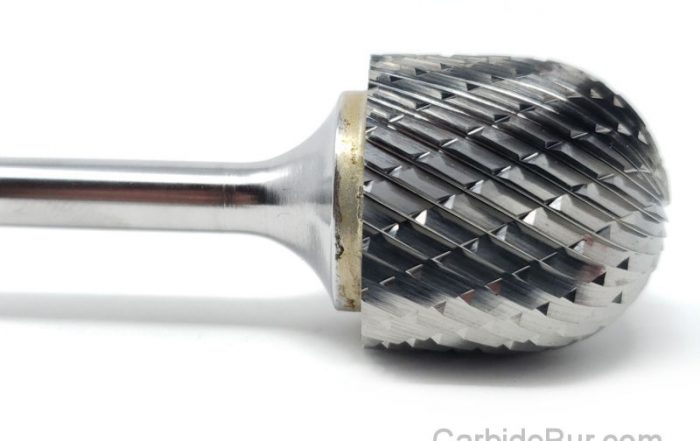
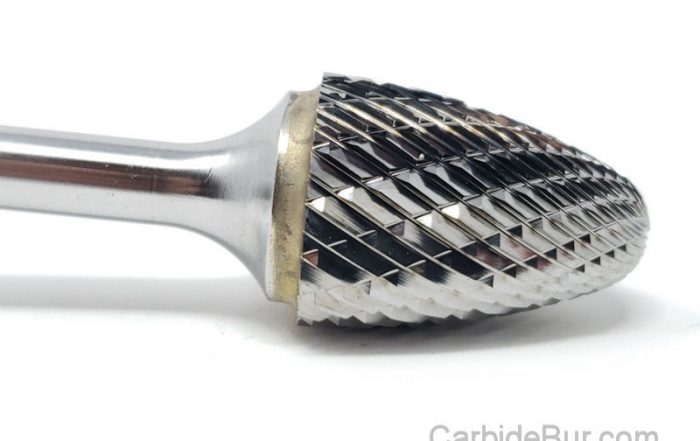
Our double cut carbide burs allow for rapid stock removal in harder materials. The addition of the left hand flutes reduces the pulling action, allowing better operator control. Use our double cut carbide burs to reduce the size of the chips at slower than normal speeds.
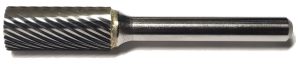
Single Cut
Our single cut carbide burs are for general purpose and designed for cast iron, steel, some copper and brass, and other ferrous materials. Single cut will give good material removal and good workpiece finishes.
Non-Ferrous Aluminum Cut Carbide Burrs
Use our aluminum cut carbide burs on non-ferrous materials such as aluminum, copper and magnesium.
Use our carbide burs on hard materials such as steel, aluminum and cast iron, all types of stone, ceramic, porcelain, hard wood, acrylics, fibreglass and reinforced plastics. When using aluminum cut carbide burs on soft metals such as gold, platinum and silver, carbide burrs are perfect because they will last a long time with no breaking or chipping.
Different cuts of carbide burs will be best suited for certain materials.
Single Cut vs. Double Cut vs. Aluminum Cut
In the world of precision machining, choosing the right carbide bur tools can significantly impact the efficiency and quality of your work. Whether you’re a manufacturer, woodworker, or metalworker, understanding the nuances between single cut, double cut, and aluminum cut burs is essential for optimizing your craft. Single cut burs are known for their ability to quickly remove material, making them ideal for softer materials and providing a smooth finish. In contrast, double cut burs offer versatility and control, excelling in delivering finer finishes across a variety of materials. Aluminum cut burs, specifically designed for non-ferrous metals, prevent clogging and ensure a smoother operation. In this guide, we’ll delve into the specific differences of these bur tools, helping you make informed decisions for your projects.
Understanding Carbide Bur Tools
Understanding the different types of carbide bur tools is crucial for those involved in metalworking and woodworking. These tools are versatile and essential for various applications, from shaping materials to finishing surfaces.
What Are Carbide Bur Tools?
Carbide bur tools are rotary tools used for cutting, shaping, and grinding materials. They are made from tungsten carbide, a material known for its hardness and durability. This makes them suitable for use on hard materials such as metals and composite materials. Their precision and efficiency are why they are a go-to choice for professionals in different industries.
Carbide burs come in various shapes and sizes, each designed for specific tasks. For instance, cylindrical burs are perfect for surface leveling, while spherical ones are ideal for contouring.
These tools are used in metalworking and woodworking to remove excess material, smooth out edges, and finish surfaces. Their versatility and durability make them indispensable in precision machining.
To learn more about these tools, visit Carbide Bur.
Importance in Metalworking and Woodworking
Carbide bur tools play a significant role in both metalworking and woodworking. They offer high precision, allowing craftsmen to achieve fine details and smooth finishes. This precision is essential in industries where accuracy is paramount.
In metalworking, carbide burs are used to deburr metal parts, create intricate designs, and prepare surfaces for welding. Their ability to cut through tough metals efficiently makes them valuable for various applications.
In woodworking, carbide burs help in shaping, carving, and detailing. They can easily cut through hardwoods, providing a clean finish without splintering. This makes them ideal for craftspeople looking to create intricate designs in wood.
For more details on how these tools can benefit your projects, check out Carbide Burr.
Single Cut vs. Double Cut
This section delves into the distinct characteristics and advantages of single cut and double cut burs. Understanding these differences will help you choose the right tool for your tasks.
Single Cut Bur Explained
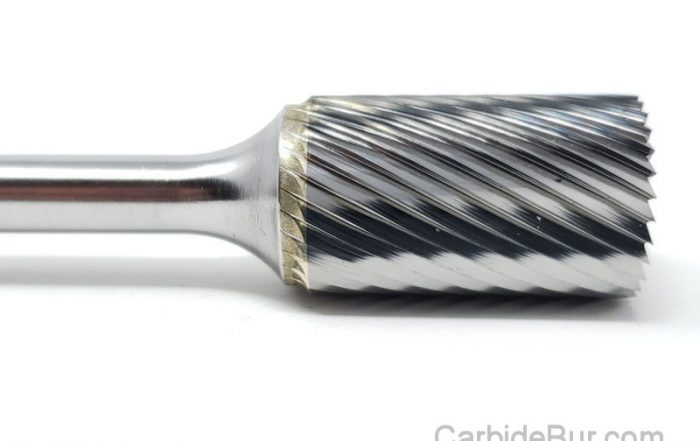
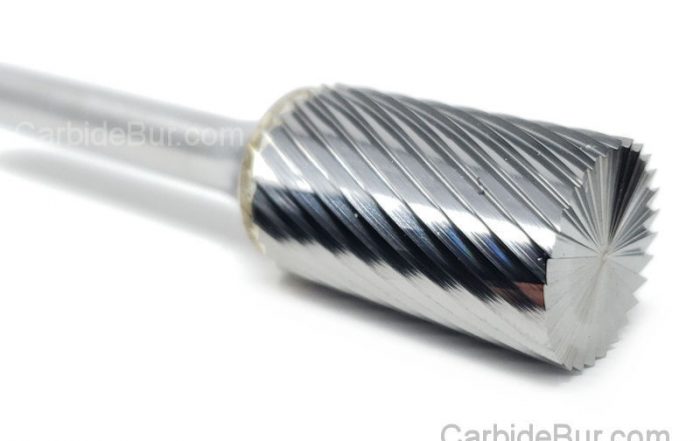
Single cut burs have a single set of right-hand spiral flutes. They are primarily used for general-purpose cutting, milling, and material removal. These burs are known for their ability to provide a smooth finish on softer materials like wood and plastic.
-
Application: Single cut burs are ideal for removing large amounts of material quickly.
-
Material Compatibility: Best used on softer metals and non-metallic materials.
-
Finish: Provides a cleaner and smoother finish compared to coarser tools.
These burs are less prone to clogging, making them efficient for tasks that require swift material removal. They are a staple in any craftsman’s toolkit for basic cutting needs.
For more on single cut burs, visit Carbide Burr Cut.
Advantages of Double Cut Bur
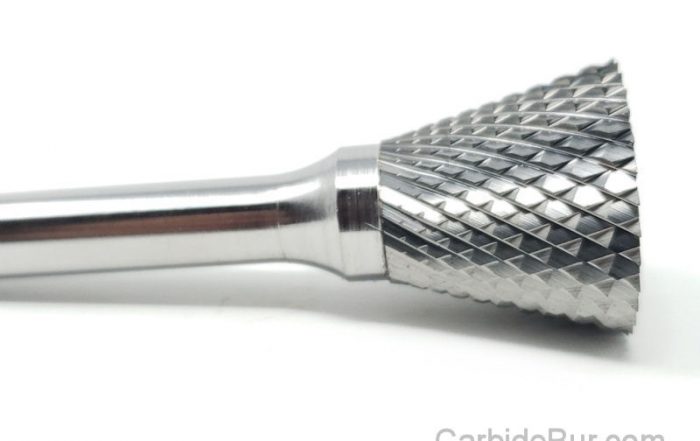
Double cut burs feature two sets of flutes, one right-hand and one left-hand spiral. This design offers several advantages, particularly in terms of control and finish quality.
-
Versatility: Double cut burs can handle a wider range of materials, including both hard and soft metals.
-
Finish Quality: They provide a finer finish, making them suitable for intricate work.
-
Control: The dual cutting action allows for better control and reduces the likelihood of tool chatter.
These burs are excellent for creating fine details and achieving a superior surface finish. They are a preferred choice for professionals who require precision and versatility in their work.
For more insights, see Carbide Bur.
Bur Tool Differences in Application
Understanding the differences in application between single cut and double cut burs is crucial for selecting the right tool. Here’s a quick comparison:
|
Feature |
Single Cut Bur |
Double Cut Bur |
|---|---|---|
|
Material Removal |
Fast |
Moderate |
|
Finish Quality |
Smooth |
Fine |
|
Control |
Moderate |
High |
|
Material Type |
Softer materials |
Both hard and soft |
The choice between these burs depends on the specific requirements of your project. Single cut burs are suited for rapid removal, while double cut burs are preferred for detailed finishes.
For detailed differences, visit Carbide Burr.
Aluminum Cut: Specialized Solutions
This section focuses on aluminum cut burs, which are specifically designed for use on non-ferrous metals. These burs offer unique advantages in specific applications.
What Sets Aluminum Cut Apart
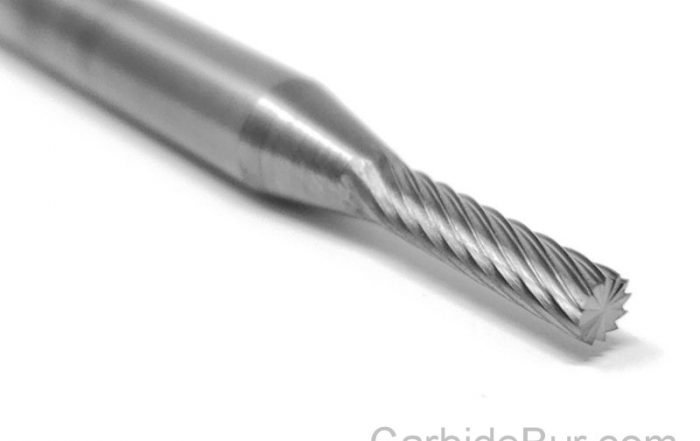
Aluminum cut burs are engineered with wider flutes, preventing clogging when working with softer, non-ferrous materials like aluminum. This design enables efficient material removal without compromising the tool’s longevity.
-
Design: Wider flutes reduce the risk of loading and clogging.
-
Efficiency: Ideal for rapid material removal.
-
Applications: Best for non-ferrous metals such as aluminum, copper, and brass.
These burs excel in applications where traditional burs may struggle, particularly in automotive and aerospace industries, where non-ferrous metals are common.
For more on aluminum cut burs, visit Carbide Burr.
Performance Benefits for Metalworkers
For metalworkers, aluminum cut burs offer several performance benefits:
-
Reduced Clogging: The wide flute design minimizes the risk of clogging, ensuring smoother operation.
-
Enhanced Durability: Made from high-quality carbide, they withstand the demands of heavy-duty use.
-
Improved Efficiency: Faster cutting speeds and smoother finishes reduce production time.
These features make aluminum cut burs a preferred choice for professionals dealing with non-ferrous metals.
For more information, check out Carbide Bur Cut.
Choosing the Right Bur for Your Needs
Selecting the right bur tool depends on your specific requirements. Here are some recommendations:
-
For Soft Materials: Use single cut burs for efficient material removal.
-
For Detailed Work: Choose double cut burs for finer finishes and control.
-
For Non-Ferrous Metals: Opt for aluminum cut burs to avoid clogging and improve performance.
Your choice should align with the materials you work with and the finish you desire. Always consider the specific needs of your project when selecting a bur tool.
For more guidance, visit Carbide Burr.
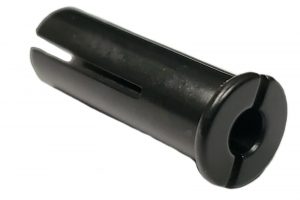
Try our 1/4” to 1/8” Collet Reducer
Allows you to use 1/8” shank carbide bits in your 1/4” collet router

All our USA made carbide bur cutting tools ship SAME DAY ordered by USPS Mail with online tracking.
We can also dropship the SA-11 carbide bur die grinder bit, if interested in joining our FREE dropship program.

We accept debit and all major credit card payments including Visa, MasterCard, Discover, American Express and PayPal. Fast and easy secure checkout with no account or login required. If you have any questions, visit our FAQ page or contact us here.

Follow us on Twitter

Return to CarbideBur.com
Carbide Burs – 1/4″ on 1/8″ Shanks – Accessories – Aluminum Cut – Bur Sets – End Mills – Long Shank – Solid Burs
Are Expensive Carbide Burrs Worth It? Comparing Price and Performance
Are Expensive Carbide Burrs Worth It? Comparing Price and Performance When shopping for carbide burrs, it's easy to assume that the cheapest option saves money. But if you use rotary cutting tools regularly for welding, [...]

Carbide Burr vs. Grinding Stone: Which Is Better for Metal Removal?
Carbide Burr vs. Grinding Stone: Which Is Better for Metal Removal? When you need to remove metal, smooth a rough edge, or shape a metal component, two common options are carbide burrs and grinding stones. [...]
Carbide Burr Safety: RPM, Eye Protection, and Common Mistakes
Carbide Burr Safety: RPM, Eye Protection, and Common Mistakes Carbide burrs are versatile cutting tools used for metal fabrication, welding cleanup, engine porting, deburring, and general material removal. When used correctly, they can help remove [...]
How to Stop Aluminum from Clogging Your Carbide Burr
How to Stop Aluminum from Clogging Your Carbide Burr Aluminum is widely used in automotive work, welding, metal fabrication, aerospace components, and general machining. It is lightweight, relatively easy to machine, and versatile across many [...]
Carbide Burrs for Intake Manifolds: Shaping, Cleanup, and Fitment
Carbide Burrs for Intake Manifolds: Shaping, Cleanup, and Fitment Intake manifold work often involves more than simply bolting a component onto an engine. Depending on the application, metal intake components may have casting irregularities, rough [...]
Why Long-Shank Carbide Burrs Are Useful for Hard-to-Reach Areas
Why Long-Shank Carbide Burrs Are Useful for Hard-to-Reach Areas When working on metal parts, the area that needs grinding or shaping is not always easy to reach. Recessed openings, deep cavities, interior surfaces, and complicated [...]
Choosing Carbide Burrs for Stainless Steel Fabrication
Choosing Carbide Burrs for Stainless Steel Fabrication Stainless steel is widely used in fabrication because of its corrosion resistance, strength, and durability. However, those same properties can make it challenging to machine and finish. Removing [...]
Can You Use Carbide Burrs in a Dremel? Shank Sizes Explained
Can You Use Carbide Burrs in a Dremel? Shank Sizes Explained If you use a Dremel or another rotary tool for detail work, metal shaping, or small fabrication projects, you may wonder whether you can [...]
How to Choose the Best Carbide Burr for Welding and Metal Fabrication
How to Choose the Best Carbide Burr for Welding and Metal Fabrication Welding and metal fabrication often require more than joining two pieces of metal together. Once the welding is finished, fabricators frequently need to [...]
Carbide Burrs for Cylinder Heads: What Automotive Enthusiasts Need to Know
Carbide Burrs for Cylinder Heads: What Automotive Enthusiasts Need to Know Cylinder head work is an important part of engine building, restoration, and performance machining. Whether you are cleaning up casting imperfections, refining port surfaces, [...]
Engine Porting 101: How Carbide Burrs Help Shape Cylinder Head Ports
Engine Porting 101: How Carbide Burrs Help Shape Cylinder Head Ports Engine performance enthusiasts, automotive machinists, and engine builders often look for ways to improve airflow through an engine's cylinder heads. One technique used in [...]
When to Use a 4-Inch or 9-Inch Die Grinder Extension
When to Use a 4-Inch or 9-Inch Die Grinder Extension Metal fabrication, welding, automotive repair, and engine building often require working in places where a standard die grinder and carbide burr cannot easily reach. Recessed [...]