
The Ultimate Guide – How To Use Die Grinder Tool Bits For Optimal Porting Results
Just like any skilled craft, achieving perfect porting results requires the right techniques and tools. In this guide, you will discover how to effectively use die grinder tool bits to enhance your porting work, improving performance and accuracy in your projects. We will cover necessary tips, methods, and the various types of bits available to ensure you get the most out of your die grinder. By the end, you’ll be equipped with the knowledge to elevate your porting game.
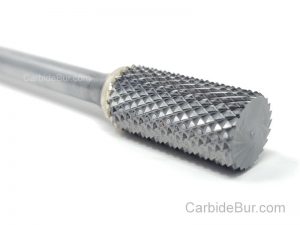
Find more carbide bur die grinder tool bits here
Selecting the Right Die Grinder Tool Bit
The Importance of Bit Material and Design
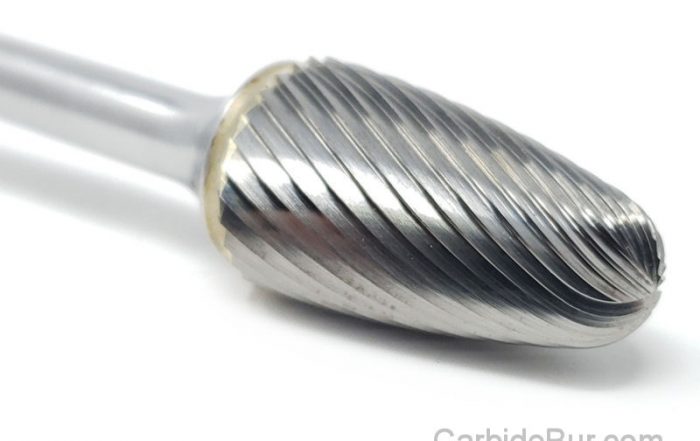
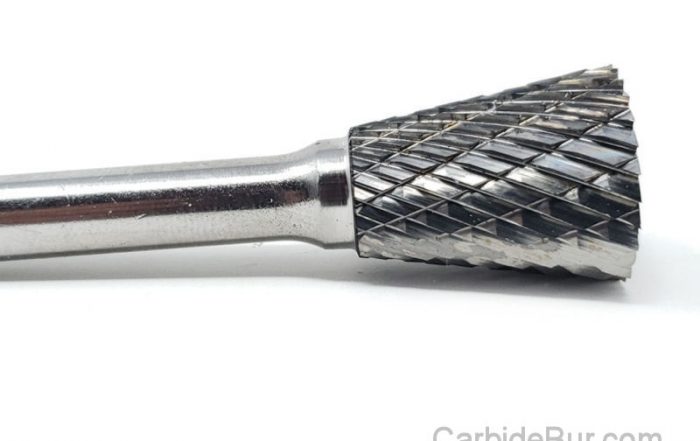
Your choice of bit material can significantly impact the effectiveness of your porting tasks. Carbide bits are among the most popular options due to their hardness and durability, making them ideal for tasks that require precision and longevity. In contrast, high-speed steel (HSS) bits are less robust but offer a smoother finish on softer materials. For heavier applications, such as removing large amounts of material or shaping hard metals, opt for diamond-coated bits which excel at cutting through tough surfaces without dulling quickly. The design also plays a vital role; bits with a tapered end are excellent for reaching angular spaces, while larger, flat-head bits are better suited for creating wider grooves and openings.
Categorizing Bits for Specific Porting Applications
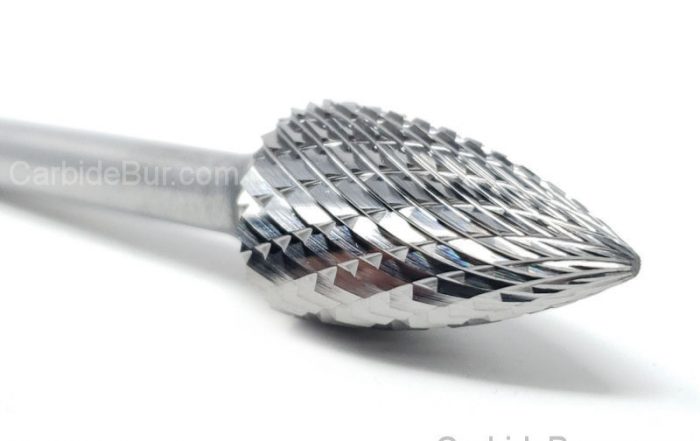
Matching your bit to the specific requirements of your porting job is key to achieving optimal results. For instance, if you are working on an intake manifold or cylinder head, selecting a burr bit designed specifically for aluminum will ensure a clean and precise cut, minimizing the risk of damaging the surrounding material. On the other hand, if you’re porting exhaust parts, you’ll want a bit tailored for tougher materials capable of handling higher temperatures without losing efficiency. Additionally, router bits can be used effectively for shaping and smoothing contours, while flame-shaped bits are excellent for fine-tuning and detail work.
Various manufacturers produce specialized bits for distinct porting tasks, emphasizing a tailored approach. You’ll find bits categorized into roughing bits for fast material removal, shaping bits to refine contours, and finishing bits for that smooth, polished effect. This categorized approach allows you to select the ideal tool for your project, optimizing your workflow and ensuring that you achieve the desired outcome without unnecessary effort or wear on your tools. Take the time to study the specifications of each bit; understanding the nuances can lead to substantial time savings and superior results in your porting work.
Find more carbide bur die grinder tool bits here
Mastering the Anatomy of Porting
Understanding the anatomy of porting takes your skills to the next level. Each component of the porting process holds significance, and knowing how they work together will enhance your results. The interplay between intake and exhaust ports, the plenum, and valve sizes creates the ideal conditions for optimal airflow and performance in an engine. Mastery comes from not only the act of grinding but also having a solid grasp of the engineering principles that underpin effective port design. This knowledge empowers you to make informed decisions on which areas to target and what changes will yield tangible improvements.
Key Features of Effective Porting Techniques
Effective porting techniques are characterized by several key features that greatly influence engine performance. Understanding these traits enables you to refine your approach and achieve desirable outcomes. A few of the standout features of effective porting include:
- Optimal port shape: Smooth transitions and the right curvature improve airflow.
- Minimized restrictions: Removing material from tight corners enhances intake and exhaust flow.
- Consistent port size: Avoiding drastic changes in diameter promotes uniform airflow.
- Surface finish: A polished surface reduces turbulence, enhancing airflow speed.
- Strategic material removal: Focusing on areas that yield positive airflow changes maximizes efficiency.
This framework establishes the basis for a successful porting process. You’ll find that applying these principles consistently can elevate your performance results significantly.
How Bit Shape Influences Airflow and Performance
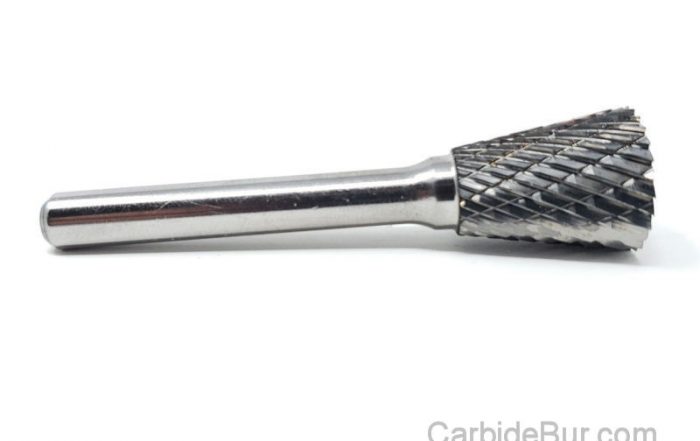
The shape of your die grinder bits plays an integral role in determining the final outcome of your porting projects. Different bit shapes impact how efficiently airflow is manipulated, which greatly affects an engine’s performance. For instance, cylindrical bits are excellent for widening ports, while tapered bits can reach into tighter areas with precision. Each shape has its unique purpose—some bits excel at removing bulk material quickly while others provide finer detail work that refines airflow. Selecting the right bit shape according to the specific porting goals you set will directly influence your success in achieving optimum airflow dynamics.
Precision in selecting your bit shape requires familiarity with both the desired outcomes in port geometry and the functionality of the bits themselves. For an intake port, you might opt for a flute or barrel-shaped bit to create gradual curves that promote airflow, while a contouring bit may be perfect for the more intricate details of an exhaust port. Understanding these relationships will ensure that your porting process leads to a noticeable improvement in performance, whether through increased horsepower or better fuel efficiency. By aligning your tool choices with your engine’s airflow requirements, you’re setting the stage for measurable success in your porting ventures.
Technique Refinement for Precision Porting
The Right Grip and Control Techniques
Your grip on the die grinder can significantly influence the results of precision porting. A secure, ergonomic grip enables better control, which is important when manipulating the tool at varying angles and depths. Position your fingers to wrap comfortably around the tool’s handle, ensuring you have adequate pressure without feeling strained. Practice holding the grinder as if it’s an extension of your hand rather than a separate tool, promoting greater stability and more natural movement during operation.
Speed and Pressure: Striking the Ideal Balance
Finding the right speed and pressure during porting is like tuning a musical instrument. Too little pressure or speed may result in ineffective material removal, while excessive pressure can create an uneven surface or lead to tool damage. For optimal performance, begin at a moderate speed, adjusting based on the material you’re working with. For softer materials, like aluminum, a higher RPM can be beneficial, while harder materials call for a slower speed to prevent overheating.
Another common symptom is uneven wear or build-up in certain areas of the intake or exhaust ports. If some areas appear shinier or more polished than others, it’s a sign that your grinding technique may need refinement. A consistent finish across the port surface is key to ensuring even airflow and maximizing performance. Monitoring these signs can position you to enhance your porting strategy in future sessions, leading to better outcomes.
Practical Solutions and Adjustments
Implementing adjustments can dramatically improve your porting results. Begin by revisiting the techniques employed and the specific tools utilized during the initial porting process. If airflow restriction is an issue, consider re-evaluating the angles and entry points of your ports—sometimes, small changes in shape can lead to significant improvements in performance. Additionally, employing a range of die grinder bit types can aid in achieving an even surface finish and help refine your technique. Transitioning from carbide bits to finer stones can enhance final surfaces, reducing turbulence and increasing efficiency.
Also, take advantage of testing equipment like flow benches to gauge your progress practically. With this, you can measure airflow pre- and post-porting, allowing you to make data-driven adjustments. Document your changes and results diligently, which can provide insights into what works best for your particular engine model. Continuous refinement based on observable data not only enhances your porting technique but also builds a repository of insights for future projects.
Summing up
Summing up, effectively using die grinder tool bits for optimal porting results requires a clear understanding of both the tools and the techniques involved. You should ensure you select the right bit to match the material and the specific application. By manipulating the speed and pressure, you can achieve desired shapes and finishes, optimizing airflow and performance in your projects. Taking time to practice and adjust your approach will empower you to refine your technique and yield the best results in your porting tasks.
Furthermore, don’t underestimate the importance of safety and maintenance when using die grinder tools. Employing appropriate personal protective equipment and ensuring your tools are in good condition will not only enhance your efficiency but also safeguard you during the process. With this guide, you can confidently initiate on your porting endeavors, applying your newfound knowledge of tool bits and techniques to achieve outstanding results in your craftsman work.
Find more carbide bur die grinder tool bits here

Can You Use a Carbide Burr With an Electric Die Grinder?
Can You Use a Carbide Burr With an Electric Die Grinder? Most people don’t realize how much a carbide burr can change the way an electric die grinder works. Using the right burr type can [...]
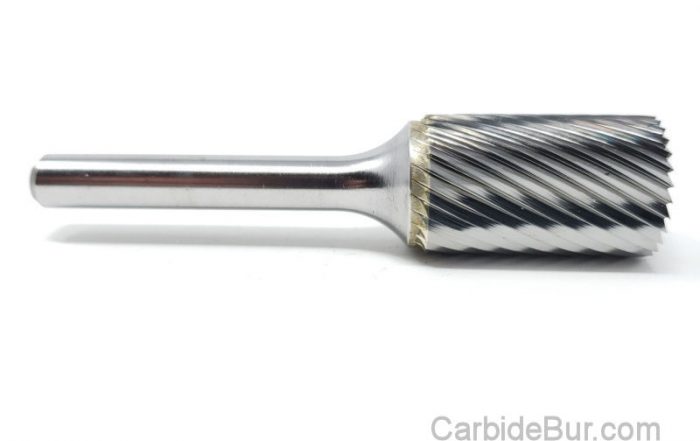
How to Deburr Holes With a Carbide Burr
How to Deburr Holes With a Carbide Burr Most people think any tool will do for deburring holes. The truth is, using the right carbide burr with the correct size and shape changes everything. In [...]
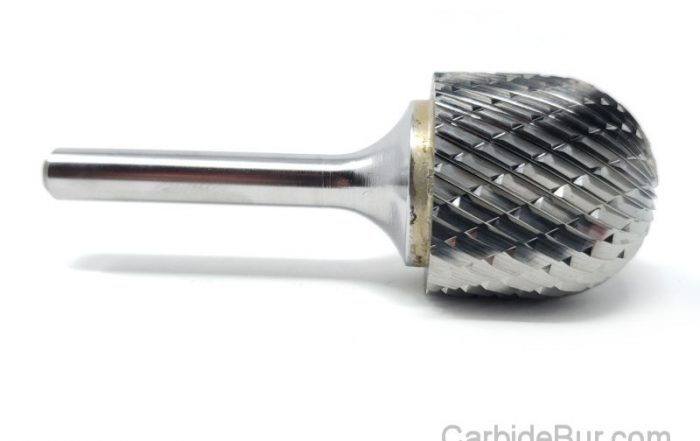
How to Choose the Correct Carbide Burr Shank Size
How to Choose the Correct Carbide Burr Shank Size Many machinists lose hours troubleshooting tool issues caused by the wrong carbide burr shank size. Using a shank that doesn’t fit your grinder can lead to [...]
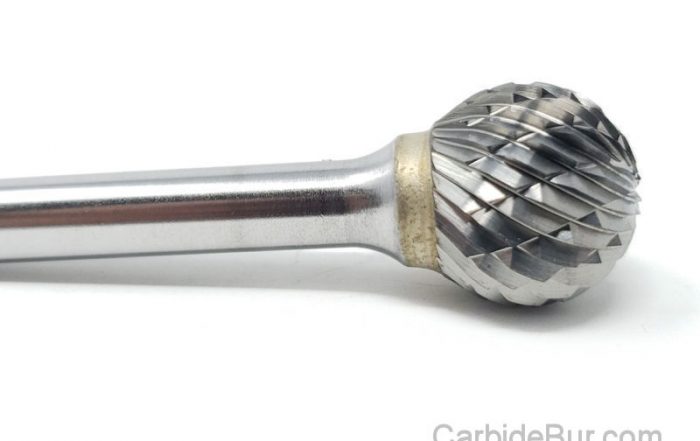
How to Remove Casting Flash With a Carbide Burr
How to Remove Casting Flash With a Carbide Burr Casting flash ruins the look and fit of your metal parts. You’ve tried sanding or grinding, but the results aren’t clean or fast enough. Learning how [...]
Best Carbide Burr for Enlarging a Hole in Metal
Best Carbide Burr for Enlarging a Hole in Metal When you need to enlarge a hole in metal, grabbing the wrong carbide burr can turn a simple task into a frustrating mess. Picking the best [...]
Carbide Burr Safety: 15 Mistakes That Can Cause Injury or Damage
Carbide Burr Safety: 15 Mistakes That Can Cause Injury or Damage Carbide burr safety is often overlooked until a costly mistake happens. Many metalworkers and DIYers make the same errors that lead to injuries or [...]
Can You Use a Carbide Burr in a Drill?
Can You Use a Carbide Burr in a Drill? Most people think a standard drill can’t handle a carbide burr, but that’s not true. Using carbide burr in the right drill can speed up your [...]
Carbide Burrs for Removing Rust: What Works Best?
Carbide Burrs for Removing Rust: What Works Best? Rust can turn your favorite tools into useless junk faster than you expect. Removing it without ruining the metal underneath takes more than just elbow grease—it demands [...]
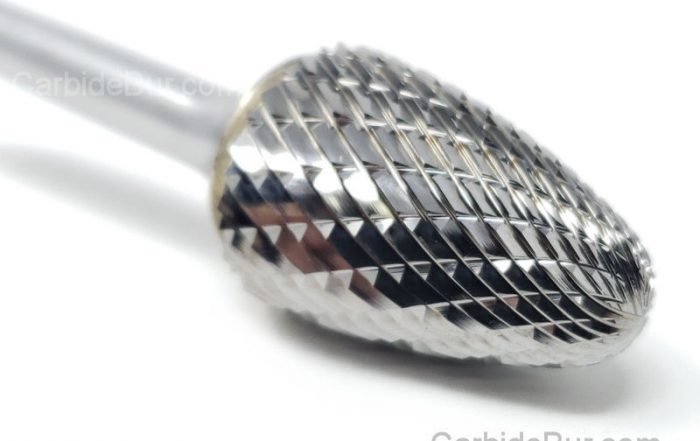
How Much Pressure Should You Use With a Carbide Burr?
How Much Pressure Should You Use With a Carbide Burr? Most people think pressing harder with a carbide burr speeds up the job. That’s not true—too much pressure wears out your tool and ruins the [...]
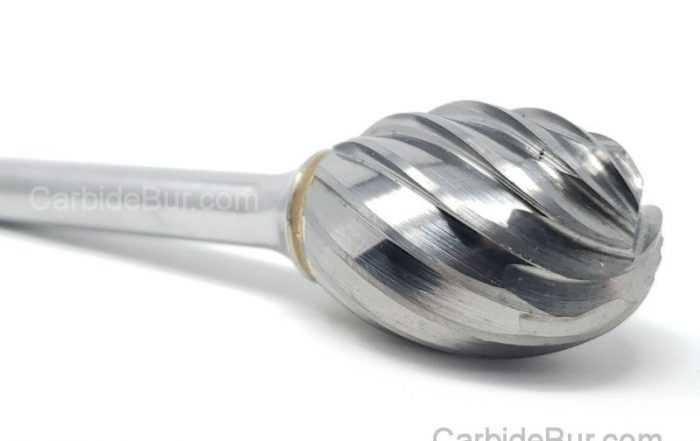
Can You Use Carbide Burrs With an Air Die Grinder?
Can You Use Carbide Burrs With an Air Die Grinder? Most people don’t realize how well carbide burrs work with air die grinders until they try them. If you’ve ever struggled with finding the right [...]
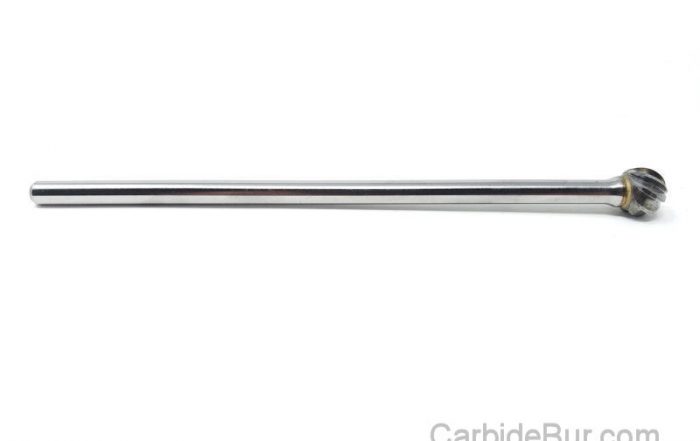
Best Long Reach Carbide Burr for Deep Metal Work
Best Long Reach Carbide Burr for Deep Metal Work Long reach carbide burrs often promise deep metal access, but many fall short where it counts most. You need a tool that cuts cleanly, lasts through [...]
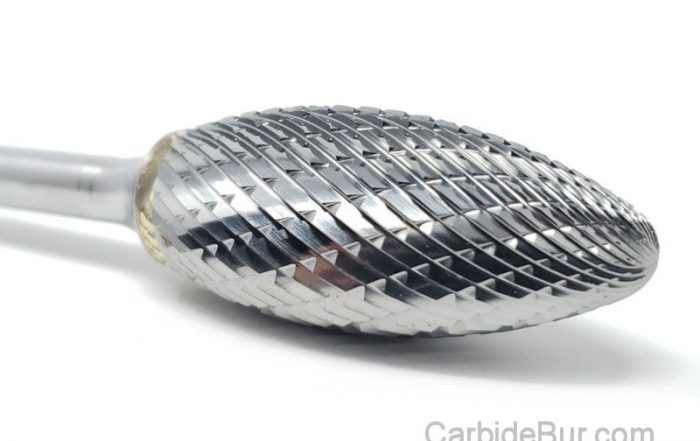
What RPM Should You Use for a 1/8 Inch Carbide Burr?
What RPM Should You Use for a 1/8 Inch Carbide Burr? Most people guess the right carbide burr RPM by feel—and waste hours redoing work. If you want cleaner cuts and longer tool life, your [...]
