
How To Use Norton 3X Ceramic Aluminum Oxide Carbide Bur For Optimal Shaping
There’s a world of possibilities when it comes to using the Norton 3X Ceramic Aluminum Oxide Carbide Bur for your shaping tasks. This innovative tool is designed to enhance your grinding and shaping efficiency, providing superior performance and durability. In this guide, you’ll learn the best techniques for utilizing this bur to achieve optimal results in your projects. Whether you’re a seasoned professional or a DIY enthusiast, mastering this tool will elevate your work quality and streamline your process.
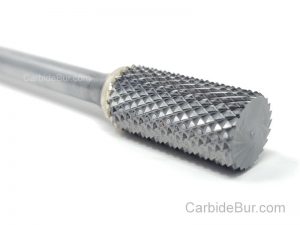
Find more carbide bur die grinder tool bits here
Choosing the Right Bur for Your Task
Selecting the appropriate bur can significantly impact your shaping results. With a range of shapes, sizes, and materials available, identify the primary function you require—such as contouring, finishing, or removing material. For instance, a finer grit bur is ideal for detailed work, while a coarser bur suits heavy material removal. Understanding the task at hand will guide your choice, enabling you to achieve optimal performance with the Norton 3X ceramic aluminum oxide carbide bur.
Assessing Ideal Applications
Evaluate the specific applications of your project to ensure you select the bur that fits your needs perfectly. For detailed tasks such as creating intricate designs or finishing surfaces, opt for a fine-grit bur. In contrast, for removing bulk material or sculpting shapes rapidly, a medium or coarse bur will serve you better.
Matching Bur Design to Material Type
Your choice of bur must align with the material you are working on to achieve the best results. Different materials—such as metals, woods, or plastics—require varying types of bur design to optimize cutting efficiency and longevity.
For instance, when working with softer materials like plastics or wood, a bur with a finer cutting edge will minimize tearing, allowing for precision and smooth finishing. Conversely, for harder materials such as metals, utilizing a bur with a more robust design can aid in effective material removal without excessive wear. Understanding these nuances will elevate the quality of your work while extending the lifespan of your tools, ensuring you’re always equipped to tackle any shaping challenge effectively.
Mastering the Technique: Tools and Grip
Your choice of tool and how you grip it can significantly influence the effectiveness of the Norton 3X Ceramic Aluminum Oxide Carbide Bur. Ensure that your tools are sharp and free from debris, as this allows for smoother cutting and longer-lasting performance. A clean bur will provide better results and enhance your precision. Regularly check and maintain your tools, replacing any worn-out or damaged equipment promptly for optimal shaping.
Proper Instrument Selection and Maintenance
Identifying Signs of Wear and Damage
Regularly inspect your burs for signs of wear and damage, including chipped edges, discoloration, or a dull cutting surface. If the bur no longer cuts efficiently or produces an uneven finish, it likely needs replacement. Noticing these signs early can save you time and ensure that your shaping remains consistent and effective.
Refining Technique to Overcome Barriers
Testing different hand positions, speeds, and pressures can enhance your shaping technique. Additionally, consider adjusting the angle at which you hold the bur, as this may yield a more effective cutting action. Engaging in practice sessions allows you to experiment with these elements, ultimately leading to an improved, more intuitive technique.
Incorporating practice into your routine is important. Set aside time specifically for honing your skills with the bur, varying the materials you use. For instance, work with softer mediums to build confidence before tackling more resistant materials. Document your progress, noting which adjustments yield the best results. This focused approach not only helps overcome barriers but also fosters a deeper understanding of how the bur interacts with various surfaces, allowing you to refine your artistic expression further.
The Future of Bur Innovation and Crafting
The landscape of bur innovation continues to evolve, promising exciting advancements that will enhance your crafting experience. As manufacturers invest in research and development, expect to see improvements in durability, efficiency, and user comfort. This evolution is driven by the growing need for specialized tools that can meet the diverse demands of various industries, from dental precision to intricate woodworking.
Trends in Material Technology
Recent trends indicate a shift towards high-performance materials like nanocomposites and advanced ceramics, which bolster strength and improve the lifespan of burs. You’ll likely find these materials becoming the standard in modern manufacturing as they offer enhanced cutting efficiency and reduced friction. Innovations in surface treatments also contribute to better product performance, making the burs cleaner and easier to use.
Anticipating Changes in User Techniques
Adaptation to new tools and technologies will inevitably change user techniques in bur applications. You might find that the integration of ergonomic designs encourages extended use with less fatigue, while improved cutting properties prompt a shift in how you approach tasks, embracing higher speeds and different angles for optimal results.
Adjusting your techniques to align with emerging trends can significantly boost your efficiency and outcomes. For instance, using burs that are designed for higher RPMs allows you to achieve smoother finishes much quicker than before. As you become familiar with these advancements, experimentation will be key; you may discover new methods that not only enhance your productivity but also unlock creative possibilities in your projects. Staying informed about these changes and incorporating them into your practice will undoubtedly elevate your craftsmanship to new heights.
Conclusion
The effective use of the Norton 3X Ceramic Aluminum Oxide Carbide Bur hinges on understanding its optimal applications and techniques. By selecting the right bur type for your material, adjusting your speed, and maintaining a steady hand, you can achieve precise and efficient shaping. Regularly cleaning your bur and regularly assessing its condition ensures longevity and superior performance. With these practices, you’ll enhance your craftsmanship and achieve exceptional results in your projects.
Find more carbide bur die grinder tool bits here

Can You Use a Carbide Burr With an Electric Die Grinder?
Can You Use a Carbide Burr With an Electric Die Grinder? Most people don’t realize how much a carbide burr can change the way an electric die grinder works. Using the right burr type can [...]
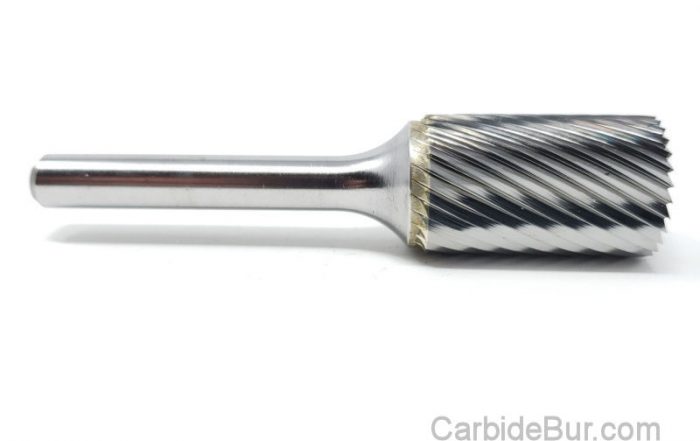
How to Deburr Holes With a Carbide Burr
How to Deburr Holes With a Carbide Burr Most people think any tool will do for deburring holes. The truth is, using the right carbide burr with the correct size and shape changes everything. In [...]
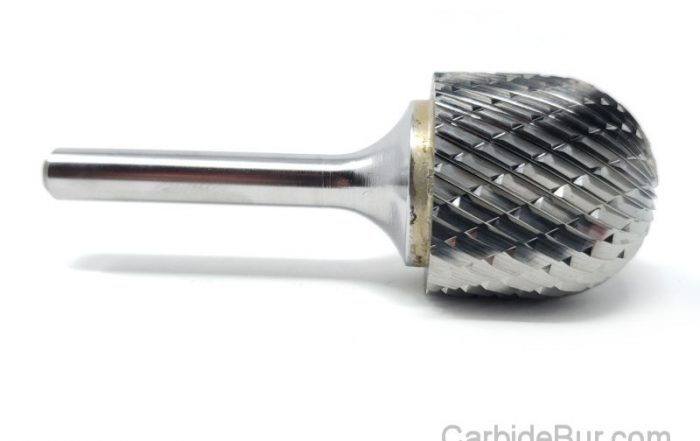
How to Choose the Correct Carbide Burr Shank Size
How to Choose the Correct Carbide Burr Shank Size Many machinists lose hours troubleshooting tool issues caused by the wrong carbide burr shank size. Using a shank that doesn’t fit your grinder can lead to [...]
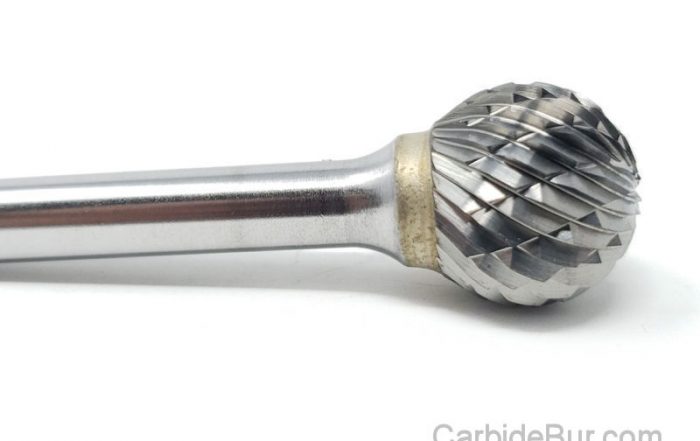
How to Remove Casting Flash With a Carbide Burr
How to Remove Casting Flash With a Carbide Burr Casting flash ruins the look and fit of your metal parts. You’ve tried sanding or grinding, but the results aren’t clean or fast enough. Learning how [...]
Best Carbide Burr for Enlarging a Hole in Metal
Best Carbide Burr for Enlarging a Hole in Metal When you need to enlarge a hole in metal, grabbing the wrong carbide burr can turn a simple task into a frustrating mess. Picking the best [...]
Carbide Burr Safety: 15 Mistakes That Can Cause Injury or Damage
Carbide Burr Safety: 15 Mistakes That Can Cause Injury or Damage Carbide burr safety is often overlooked until a costly mistake happens. Many metalworkers and DIYers make the same errors that lead to injuries or [...]
Can You Use a Carbide Burr in a Drill?
Can You Use a Carbide Burr in a Drill? Most people think a standard drill can’t handle a carbide burr, but that’s not true. Using carbide burr in the right drill can speed up your [...]
Carbide Burrs for Removing Rust: What Works Best?
Carbide Burrs for Removing Rust: What Works Best? Rust can turn your favorite tools into useless junk faster than you expect. Removing it without ruining the metal underneath takes more than just elbow grease—it demands [...]
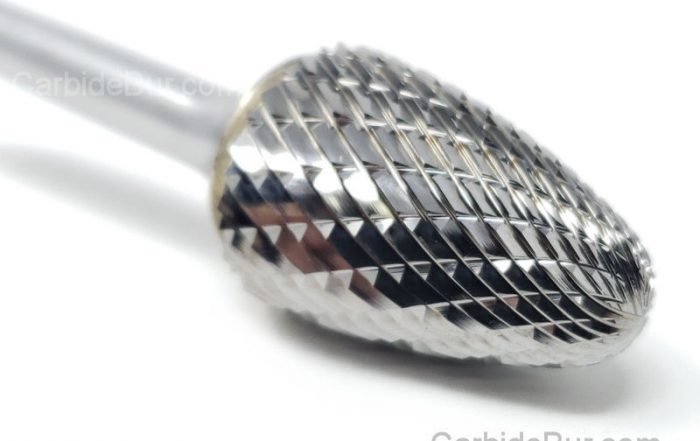
How Much Pressure Should You Use With a Carbide Burr?
How Much Pressure Should You Use With a Carbide Burr? Most people think pressing harder with a carbide burr speeds up the job. That’s not true—too much pressure wears out your tool and ruins the [...]
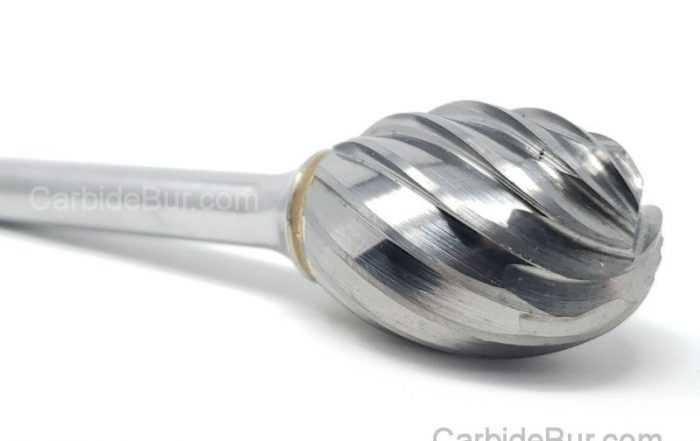
Can You Use Carbide Burrs With an Air Die Grinder?
Can You Use Carbide Burrs With an Air Die Grinder? Most people don’t realize how well carbide burrs work with air die grinders until they try them. If you’ve ever struggled with finding the right [...]
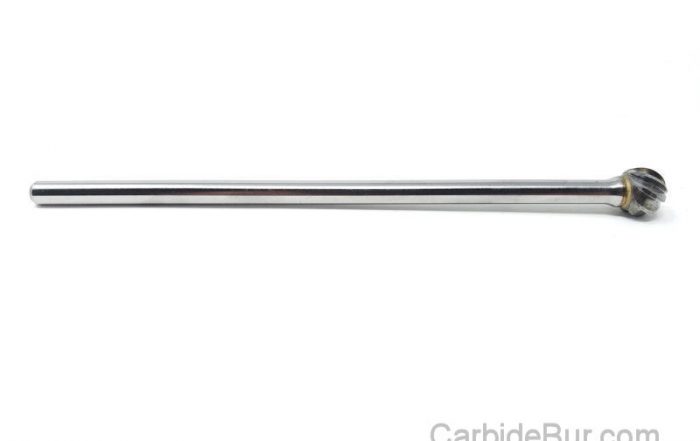
Best Long Reach Carbide Burr for Deep Metal Work
Best Long Reach Carbide Burr for Deep Metal Work Long reach carbide burrs often promise deep metal access, but many fall short where it counts most. You need a tool that cuts cleanly, lasts through [...]
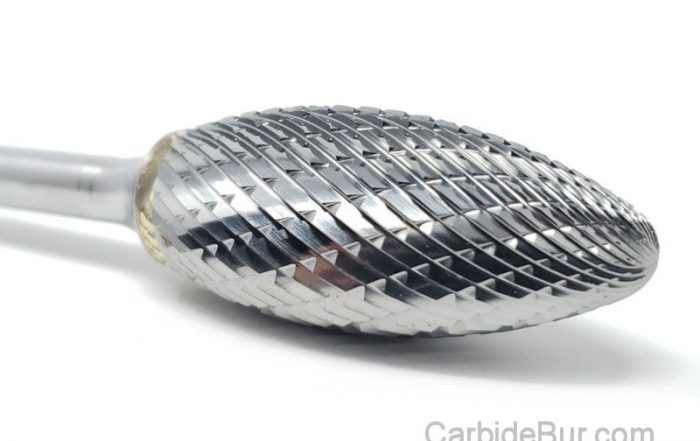
What RPM Should You Use for a 1/8 Inch Carbide Burr?
What RPM Should You Use for a 1/8 Inch Carbide Burr? Most people guess the right carbide burr RPM by feel—and waste hours redoing work. If you want cleaner cuts and longer tool life, your [...]
