
Carbide Burs 101: Your Ultimate Guide to User-Friendly Porting Tools
Entering the world of porting can be a thrilling adventure, especially when equipped with the right tools. Carbide burs are essential user-friendly porting tools that make the learning process smoother for beginners. Designed for precision and ease of use, these burr tools for beginners help you achieve accurate results without feeling overwhelmed. In this guide, we will explore why learning porting with carbide burs is ideal for hobbyists eager to refine their skills. Whether you’re looking to enhance your techniques or simply get started, this post will equip you with the knowledge you need to make an informed decision. Learn more about porting tools here.## Introduction to Carbide Burs
Carbide burs are indispensable in porting, offering precision and ease of use. For beginners, understanding these tools can streamline your learning process and enhance your skills.
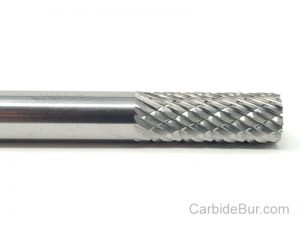
Check out all our USA made carbide bur cutting tools here
What Are Carbide Burs?
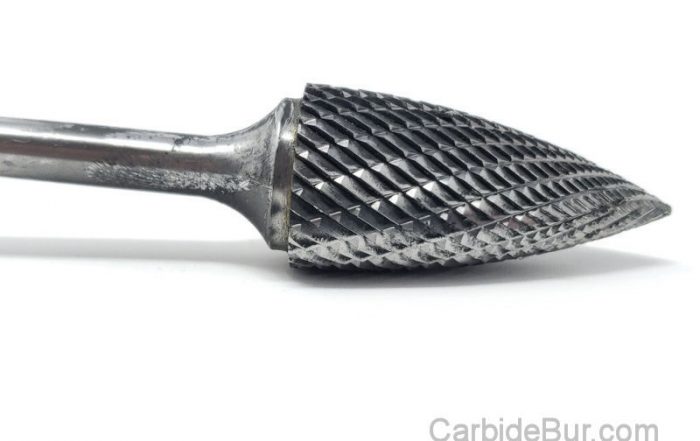
Carbide burs are rotary tools used for cutting, shaping, and grinding materials. Made from tungsten carbide, these tools are renowned for their durability and precision. Tungsten carbide, a compound of tungsten and carbon, gives these burs a hardness second only to diamonds. This makes them ideal for tasks requiring meticulous detail, like porting.
These burs come in various shapes and sizes, each suited for specific tasks. Whether you’re shaping metal or smoothing edges, there’s a carbide bur for the job. Beginners benefit from their versatility, as they can handle a range of materials with ease. As you start your porting journey, understanding the types of carbide burs and their applications is crucial.
Benefits of Using Carbide Burs
Carbide burs offer numerous advantages for both novice and experienced porters. Their durability ensures a long lifespan, reducing the need for frequent replacements. This is particularly beneficial for cost-saving in the long run.
Additionally, carbide burs provide superior cutting performance. They can tackle tough materials efficiently, making them ideal for detailed work. The precision they offer allows for intricate designs and smooth finishes, crucial in porting tasks.
Another benefit is the variety of shapes and sizes available, allowing you to choose the perfect tool for each task. This flexibility enables users to achieve different finishes and textures, enhancing the quality of their work.
Choosing the Right Burs
Selecting the right carbide burs requires consideration of several factors. First, identify the material you will work with. Certain burs are better suited for metals, while others excel with softer materials.
Next, consider the shape and size of the bur. For intricate detailing, smaller burs are preferable. Larger burs are suitable for removing more material quickly. It’s essential to match the bur to the task to ensure quality results.
Lastly, quality matters. Opt for burs from reputable suppliers like carbideburr.net to ensure you get reliable tools. A good bur will perform consistently, making your porting experience smoother and more enjoyable.
Check out all our USA made carbide bur cutting tools here
Porting for Beginners
Starting with porting can be daunting, but with the right guidance, it becomes manageable. This section will introduce you to the basics and help navigate common challenges.
Basics of Porting Techniques
Porting involves modifying engine parts to improve airflow and performance. For beginners, understanding the basic techniques is crucial. Start with learning how to properly hold and maneuver the tools.
Focus on smooth, steady movements to ensure even material removal. It’s also important to understand the materials you’re working with and how they respond to different tools.
Practice on small or less critical parts before moving to more complex tasks. TurboBricks offers valuable insights into the basics of porting techniques, providing tips and tricks to get started.
Common Challenges for New Porters
New porters face several challenges, often related to tool handling and technique. One common issue is applying too much pressure, which can damage the material or the tool.
Another challenge is maintaining a consistent finish. Inconsistent pressure or speed can lead to uneven surfaces, affecting performance. Beginners may also struggle with choosing the right bur for specific tasks, leading to inefficient work.
Understanding these challenges is the first step in overcoming them. With practice and patience, new porters can improve their skills and achieve better results.
Solutions for Easier Porting
To make porting easier, follow these practical tips:
-
Start slow: Use lower speeds to maintain control and prevent mistakes.
-
Practice on scrap materials: This helps build confidence and skill without risk.
-
Use the right bur: Match the bur to the material and task for best results.
-
Maintain your tools: Regular cleaning and sharpening extend their lifespan.
By incorporating these practices, beginners can enhance their porting technique and enjoy a more fulfilling experience.
User-Friendly Porting Tools
Choosing the right tools can make porting more accessible. This section focuses on the features that make carbide burs user-friendly and compares them to other tools.
Features of Carbide Burs
Carbide burs boast features that make them indispensable in porting. Their hardness allows them to cut through tough materials with ease. This durability extends the tool’s life, saving time and money on replacements.
The variety of shapes available caters to different needs, from rough cuts to detailed finishing. This versatility is a significant advantage, allowing users to tackle various tasks with a single set of tools.
Finally, carbide burs are designed for precision. Their cutting edges remain sharp over time, ensuring consistent performance and high-quality results.
Comparing Carbide Burs with Other Tools
|
Feature |
Carbide Burs |
Other Rotary Tools |
|---|---|---|
|
Durability |
High |
Moderate |
|
Precision |
High |
Varies |
|
Versatility |
High |
Limited |
|
Cost |
Moderate |
Low to High |
Compared to other rotary tools, carbide burs offer superior durability and precision. While they may be more costly upfront, their long lifespan and consistent performance make them a worthwhile investment.
Maintenance and Care Tips
Proper maintenance extends the life of your carbide burs. Here are some tips:
-
Regular cleaning: Remove debris after each use to prevent buildup.
-
Sharpening: Keep edges sharp for consistent performance.
-
Storage: Use a protective case to prevent damage.
By following these care tips, you ensure your tools remain in peak condition, ready for any task.
Learning Porting with Ease
Learning porting doesn’t have to be complex. With the right resources and guidance, beginners can pick up skills quickly and efficiently.
Step-by-step Guide for Beginners
To get started with porting, follow these steps:
-
Gather your tools: Ensure you have the right carbide burs and safety equipment.
-
Choose a practice material: Start with something easy to work on.
-
Plan your work: Outline what you want to achieve before starting.
-
Begin porting: Use slow, controlled movements to remove material.
-
Evaluate: Check your progress and make adjustments as needed.
By breaking down the process into manageable steps, beginners can approach porting with confidence and clarity.
Tips for Successful Porting
-
Take your time: Rushing can lead to mistakes and uneven finishes.
-
Stay focused: Pay attention to detail for the best results.
-
Seek feedback: Learn from others to improve your techniques.
-
Practice regularly: Consistent practice is key to mastering porting.
These tips provide a foundation for success, helping novices to develop their skills over time.
Resources for Continuous Learning
For those eager to deepen their knowledge, numerous resources are available:
-
Online tutorials: Websites like carbideburr.net offer guides and tips.
-
Forums: Join communities like TurboBricks to discuss techniques and share experiences.
-
Workshops: Attend local workshops or classes for hands-on learning.
By utilizing these resources, learners can continue to refine their skills and stay updated with the latest techniques.
Building Your Hobby or Business
Porting can be more than just a hobby. With dedication and skill, it can turn into a rewarding business venture.
Turning Porting into a Passion
For many, porting begins as a hobby but quickly becomes a passion. The satisfaction of creating something unique drives enthusiasts to hone their skills further.
To turn this passion into something more, consistent practice and dedication are essential. Engaging with communities and sharing your work can also provide motivation and inspiration.
Opportunities for Entrepreneurs
Entrepreneurs can find numerous opportunities in the porting industry. From offering services to selling customized parts, the possibilities are vast.
-
Custom porting services: Cater to individuals looking for personalized modifications.
-
Tool sales: Provide high-quality carbide burs and accessories.
-
Educational content: Create tutorials and guides for beginners.
These opportunities allow entrepreneurs to tap into a growing market and establish a successful business.
The Future of Porting Tools
As technology advances, porting tools continue to evolve. The future holds exciting possibilities, such as more precise and efficient tools and materials tailored for specific applications.
Staying informed about these advancements ensures you remain competitive in the industry. Embracing new technologies can enhance your work, offering better results for both hobbyists and professionals.
Check out all our USA made carbide bur cutting tools here
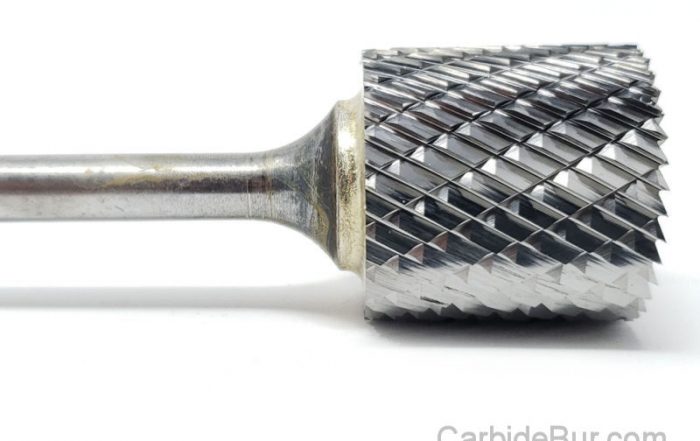
Can Carbide Burrs Cut Through Welds?
Can Carbide Burrs Cut Through Welds? Cutting through welds can feel like a battle, especially when you need clean results without harming the base metal. Carbide burrs offer a sharp edge in this fight, but [...]
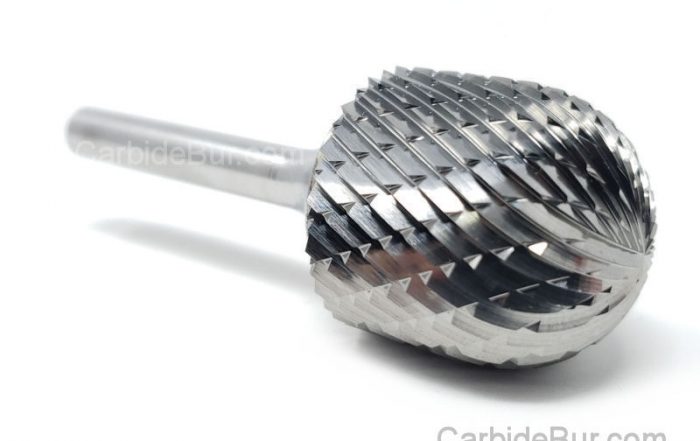
How to Use a Carbide Burr With a Die Grinder
How to Use a Carbide Burr With a Die Grinder Most people treat a carbide burr like just another tool, but using it with a die grinder takes skill. If you’ve struggled with burr installation [...]
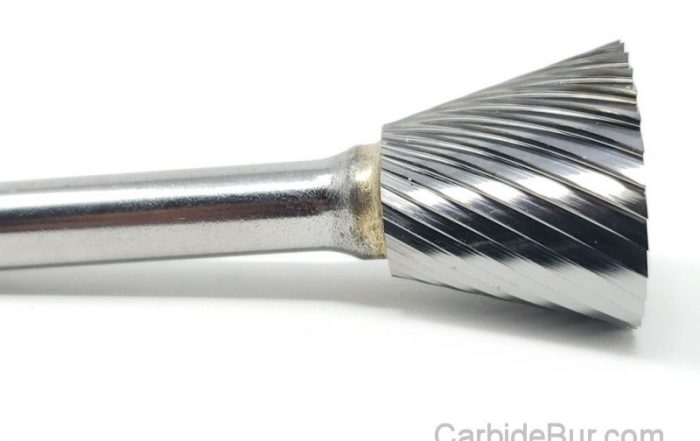
1/8 vs 1/4 Inch Carbide Burrs: What’s the Difference?
1/8 vs 1/4 Inch Carbide Burrs: What's the Difference? Choosing between a 1/8 inch carbide burr and a 1/4 inch carbide burr can change how your project turns out. Many machinists and hobbyists overlook how [...]

Best Carbide Burr for Removing Flash From Castings
Best Carbide Burr for Removing Flash From Castings Removing flash from castings is a task that can slow down your entire metalworking process if you don’t have the right tools. Picking the best carbide burr [...]
What RPM Should You Use for a 1/4 Inch Carbide Burr?
What RPM Should You Use for a 1/4 Inch Carbide Burr? Most machinists guess the right speed for a 1/4 inch carbide burr and hope for the best. Using the wrong carbide burr RPM can [...]
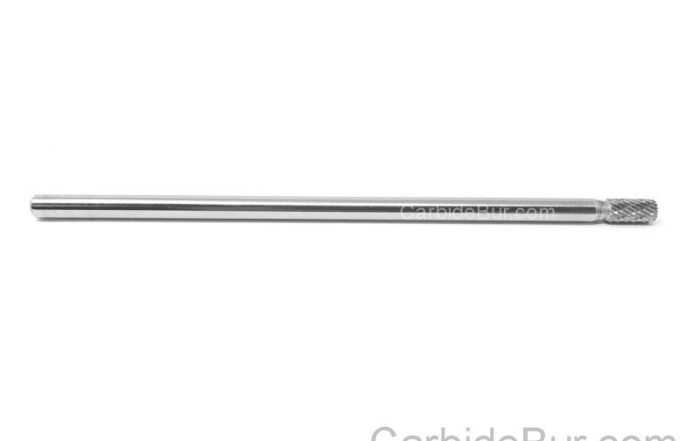
Long Shank Carbide Burrs: When Do You Need One?
Long Shank Carbide Burrs: When Do You Need One? Most machinists overlook the power of long shank carbide burrs until a project demands precision in tight spaces. When your usual tools can’t reach intricate contours, [...]
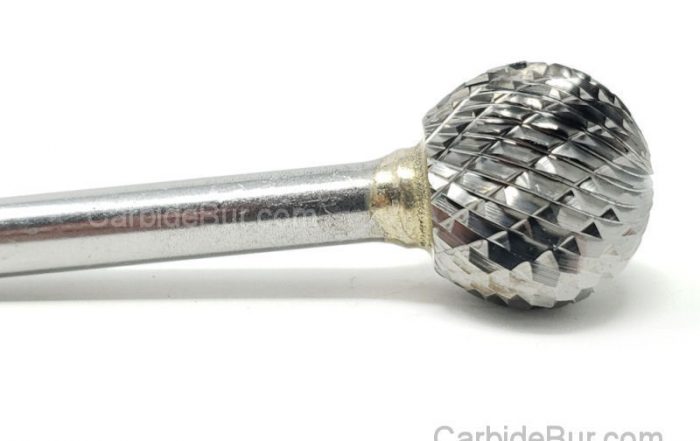
How Deep Can a Carbide Burr Cut Metal?
How Deep Can a Carbide Burr Cut Metal? Carbide burrs often get praised for their precision, but many users hit a wall wondering how deep they can actually cut metal. The truth is, cutting depth [...]
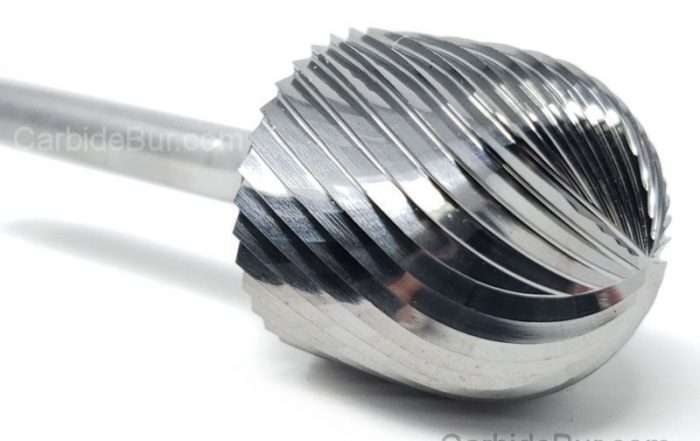
How to Use Carbide Burrs for Port Matching
How to Use Carbide Burrs for Port Matching Most engine builds hit a wall when airflow doesn’t flow smoothly between the ports and manifolds. If your engine isn’t breathing right, your performance stalls. Using the [...]
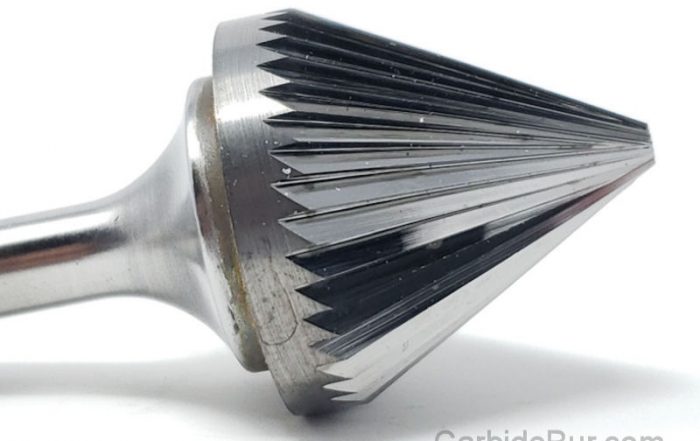
Best Carbide Burr for Porting Intake Manifolds
Best Carbide Burr for Porting Intake Manifolds Porting intake manifolds can make or break your engine’s airflow, yet many struggle with the right tools for the job. Choosing the best carbide burrs is key to [...]
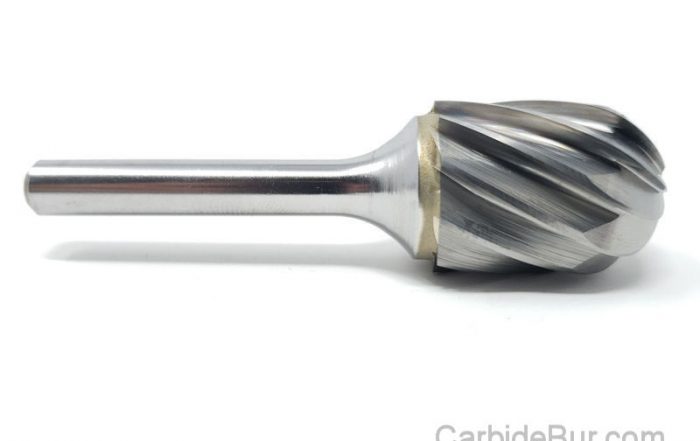
Best Carbide Burr for Concave Surfaces
Best Carbide Burr for Concave Surfaces Concave surfaces can turn a straightforward project into a frustrating challenge if you don’t have the right tool. Carbide burrs designed for these tricky curves make all the difference [...]
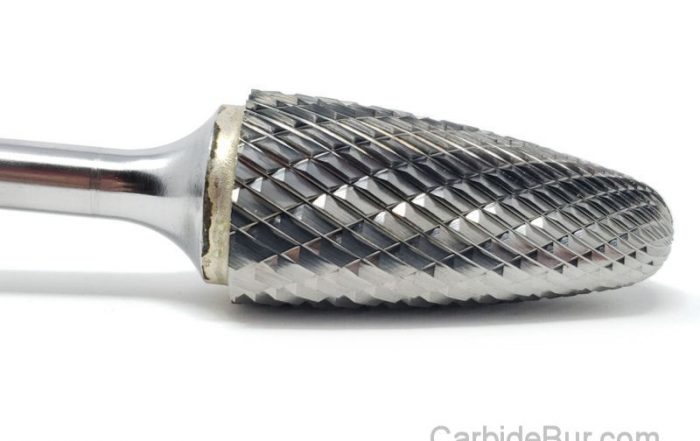
How to Grind a Slot in Metal With a Carbide Burr
How to Grind a Slot in Metal With a Carbide Burr Grinding a precise slot in metal can feel like a tricky task, especially if you’re unsure which tools to trust. Carbide burr grinding offers [...]

Best Carbide Burr for Inside Corners
Best Carbide Burr for Inside Corners Working in tight inside corners can turn even simple projects into frustrating tasks. Many carbide burrs just don’t fit or cut cleanly where you need them most. The best [...]
