
The Ultimate Guide to Cleaning Carbide Burs for Enhanced Longevity
Carbide burs are essential tools in every dental professional’s toolkit, renowned for their precision and durability. Yet, to maintain their effectiveness and ensure burs longevity, proper maintenance and cleaning are crucial. By incorporating easy-to-follow carbide bur care tips, dental technicians can keep these vital dental tools in peak condition for repeated use. This guide provides practical advice on cleaning carbide burs without compromising their functionality, helping you extend the life of your investments. Let’s explore the best practices for burs maintenance and see how a little care can go a long way in preserving the sharpness and performance of these indispensable instruments. For further insights, check out this resource.## Understanding Carbide Burs
Carbide burs are indispensable in dentistry, offering precision and durability. Understanding their features and proper maintenance can significantly enhance their lifespan.
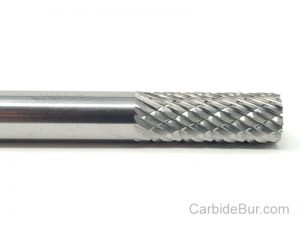
Check out all our USA made carbide bur cutting tools here
What Are Carbide Burs?
Carbide burs are rotary cutting tools used in dentistry to shape, polish, and remove material from teeth. Made from tungsten carbide, they are known for their hardness and precision. With various shapes and sizes, they cater to different dental procedures. The cutting efficiency and longevity make them a preferred choice for dental professionals.
-
Material: Tungsten carbide
-
Uses: Shaping, polishing, material removal
-
Features: Hard, precise, and durable
To learn more about carbide burs and their specific uses, visit Carbide Burr.
Importance of Burs Maintenance
Regular maintenance is essential to ensure the efficiency and longevity of carbide burs. Proper care prevents wear and tear, ensuring the burs remain sharp and effective. Dental professionals who prioritize burs maintenance experience fewer tool replacements and maintain high standards of patient care.
-
Maintains sharpness
-
Enhances performance
-
Reduces replacement costs
For expert advice on maintaining carbide burs, check out Carbide Bur.
Common Issues with Dental Tools
Dental tools, including carbide burs, face common issues such as dullness and clogging. These problems reduce tool efficiency and can affect patient outcomes. Recognizing these issues early ensures timely interventions, preserving tool integrity.
-
Dullness: Affects cutting efficiency
-
Clogging: Impedes performance
-
Corrosion: Reduces lifespan
Key Insight: Regular inspection and maintenance can mitigate these issues.
Effective Cleaning Techniques
Cleaning carbide burs effectively is crucial for maintaining their performance. This section outlines the tools, processes, and mistakes to avoid during cleaning.
Proper Tools for Cleaning Carbide Burs
Cleaning carbide burs requires specific tools to ensure thoroughness without damaging the burs. Using the right cleaning agents and brushes can make all the difference. It’s essential to select tools that can reach all areas of the bur for comprehensive cleaning.
-
Brushes: Nylon or brass brushes
-
Cleaning Agents: Non-corrosive solutions
-
Ultrasonic Cleaner: For thorough cleaning
For more on cleaning tools, visit Dental Bur.
Step-by-Step Cleaning Process
A structured cleaning process ensures carbide burs are free from debris and ready for the next use.
-
Pre-rinse the burs with water to remove visible debris.
-
Soak in a non-corrosive cleaning solution.
-
Use brushes to scrub gently.
-
Rinse thoroughly with water.
-
Dry completely before storing.
Key Insight: Each step is crucial for effective cleaning.
Check out all our USA made carbide bur cutting tools here
Avoiding Common Cleaning Mistakes
Avoiding common cleaning mistakes can prolong the life of carbide burs. Missteps such as using harsh chemicals or skipping drying can lead to tool degradation.
-
Mistake 1: Using abrasive agents
-
Mistake 2: Incomplete drying
-
Mistake 3: Ignoring manufacturer guidelines
Recommendation: Always follow the manufacturer’s instructions for the best results.
Burs Longevity Strategies
Enhancing the longevity of carbide burs requires daily care and long-term maintenance strategies. This section provides actionable tips to maximize their lifespan.
Daily Carbide Bur Care Tips
Daily care practices keep carbide burs in optimal condition. Simple routines can prevent damage and maintain performance levels.
-
Clean immediately after use
-
Inspect for wear or damage
-
Store in a dry, safe place
Actionable Advice: Implement a daily routine for consistent care.
Long-Term Maintenance Practices
Long-term maintenance ensures carbide burs remain effective over time. Regular evaluations and professional servicing can extend their usability.
-
Schedule weekly inspections
-
Use protective coatings if applicable
-
Rotate burs to distribute wear evenly
Key Takeaway: Consistency in long-term care is vital.
Cost-Effective Burs Maintenance Solutions
Budget-friendly maintenance solutions can offer significant savings without compromising quality. Simple adjustments in handling and cleaning can reduce costs.
-
Bulk purchase cleaning supplies
-
Train staff on proper usage
-
Invest in quality storage solutions
Recommendation: Balance cost and quality for the best outcomes.
Storing Carbide Burs Correctly
Proper storage of carbide burs is as important as their maintenance. This section highlights best practices for storage and organization.
Best Practices for Storage
Storing carbide burs correctly prevents damage and contamination. Implementing simple storage solutions can preserve their quality.
-
Use dedicated storage units
-
Keep in dry, temperature-controlled environments
-
Label for easy identification
Key Insight: Proper storage extends the life of your tools.
Organizing Your Dental Tools
An organized workspace can improve efficiency and ensure easy access to carbide burs. Implementing organization strategies aids in tool management.
-
Sort by type and size
-
Label containers clearly
-
Use storage trays for easy access
Recommendation: Regularly review and update organization methods.
Creating a Maintenance Schedule
A maintenance schedule ensures regular care and inspections for carbide burs. Consistent scheduling can prevent unexpected tool failures.
-
Weekly checks for wear
-
Monthly cleaning and servicing
-
Annual evaluations by professionals
Actionable Advice: Stick to a schedule to maintain tool integrity.
Troubleshooting and Problem-Solving
Addressing issues with carbide burs promptly can maintain their efficiency. This section offers guidance on troubleshooting common problems.
Identifying Wear and Tear
Recognizing wear and tear early prevents further damage to carbide burs. Regular inspections can identify signs of deterioration.
-
Visual checks for chips or cracks
-
Test for cutting efficiency
-
Monitor for unusual vibrations
Key Insight: Early detection is crucial.
When to Replace Carbide Burs
Knowing when to replace carbide burs ensures optimal performance and safety. Replacement decisions should be based on specific indicators.
-
Frequent dullness
-
Structural damage
-
Ineffective cutting performance
Recommendation: Replace burs at the first sign of significant wear.
Professional Support and Resources
Professional support can provide additional insights and resources for maintaining carbide burs. Engaging with experts ensures your tools are always in top condition.
-
Consult with manufacturers
-
Attend professional workshops
-
Utilize online resources for tips and updates
Actionable Advice: Leverage professional resources for comprehensive support.
Check out all our USA made carbide bur cutting tools here
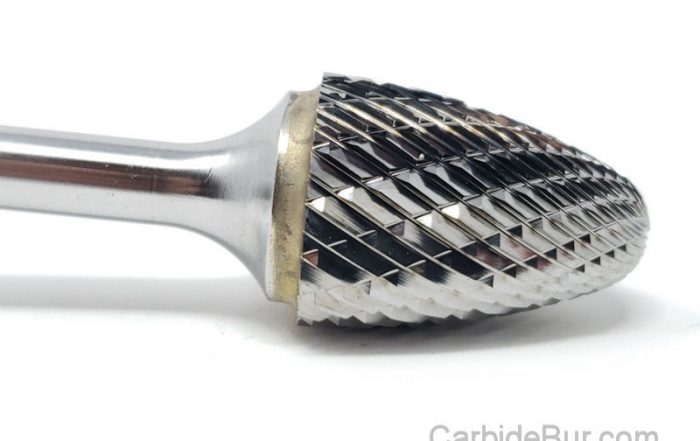
How to Stop Aluminum from Clogging Your Carbide Burr
How to Stop Aluminum from Clogging Your Carbide Burr Aluminum is widely used in automotive work, welding, metal fabrication, aerospace components, and general machining. It is lightweight, relatively easy to machine, and versatile across many [...]
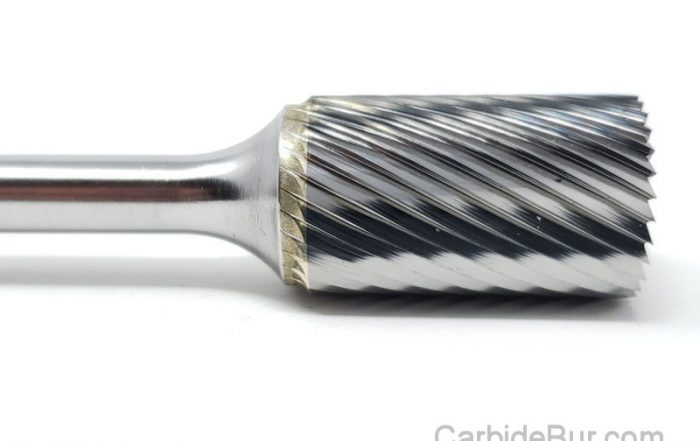
Carbide Burrs for Intake Manifolds: Shaping, Cleanup, and Fitment
Carbide Burrs for Intake Manifolds: Shaping, Cleanup, and Fitment Intake manifold work often involves more than simply bolting a component onto an engine. Depending on the application, metal intake components may have casting irregularities, rough [...]
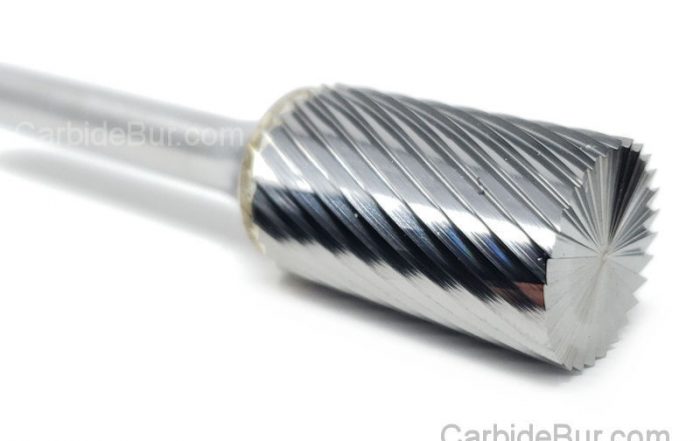
Why Long-Shank Carbide Burrs Are Useful for Hard-to-Reach Areas
Why Long-Shank Carbide Burrs Are Useful for Hard-to-Reach Areas When working on metal parts, the area that needs grinding or shaping is not always easy to reach. Recessed openings, deep cavities, interior surfaces, and complicated [...]
Choosing Carbide Burrs for Stainless Steel Fabrication
Choosing Carbide Burrs for Stainless Steel Fabrication Stainless steel is widely used in fabrication because of its corrosion resistance, strength, and durability. However, those same properties can make it challenging to machine and finish. Removing [...]
Can You Use Carbide Burrs in a Dremel? Shank Sizes Explained
Can You Use Carbide Burrs in a Dremel? Shank Sizes Explained If you use a Dremel or another rotary tool for detail work, metal shaping, or small fabrication projects, you may wonder whether you can [...]
How to Choose the Best Carbide Burr for Welding and Metal Fabrication
How to Choose the Best Carbide Burr for Welding and Metal Fabrication Welding and metal fabrication often require more than joining two pieces of metal together. Once the welding is finished, fabricators frequently need to [...]
Carbide Burrs for Cylinder Heads: What Automotive Enthusiasts Need to Know
Carbide Burrs for Cylinder Heads: What Automotive Enthusiasts Need to Know Cylinder head work is an important part of engine building, restoration, and performance machining. Whether you are cleaning up casting imperfections, refining port surfaces, [...]
Engine Porting 101: How Carbide Burrs Help Shape Cylinder Head Ports
Engine Porting 101: How Carbide Burrs Help Shape Cylinder Head Ports Engine performance enthusiasts, automotive machinists, and engine builders often look for ways to improve airflow through an engine's cylinder heads. One technique used in [...]
When to Use a 4-Inch or 9-Inch Die Grinder Extension
When to Use a 4-Inch or 9-Inch Die Grinder Extension Metal fabrication, welding, automotive repair, and engine building often require working in places where a standard die grinder and carbide burr cannot easily reach. Recessed [...]
Why Buy USA-Made Carbide Burr Tools? What Buyers Should Compare
Why Buy USA-Made Carbide Burr Tools? What Buyers Should Compare When shopping for carbide burr tools, it's tempting to compare products based on price alone. However, professionals who use rotary cutting tools for welding, metal [...]
How to Use 1/8-Inch Rotary Bits with a Die Grinder
How to Use 1/8-Inch Rotary Bits with a Die Grinder Die grinders are popular tools for metalworking, fabrication, deburring, and precision material removal. However, many die grinders use a 1/4-inch collet, while smaller rotary tools [...]

Can You Use a Carbide Burr With an Electric Die Grinder?
Can You Use a Carbide Burr With an Electric Die Grinder? Most people don’t realize how much a carbide burr can change the way an electric die grinder works. Using the right burr type can [...]
