
DIY Motorcycle Modifications: Using Carbide Burs for Small Engine Tuning
For motorcycle enthusiasts and DIY modifiers, small engine tuning can be an exhilarating journey into the art of performance enhancement. Whether you’re looking to boost your bike’s speed or optimize your ATV’s engine performance, using carbide burs for porting motorcycle cylinder heads is a game-changer. These tiny yet mighty tools are perfect for intricate work on smaller engines, allowing for precision and improved airflow. By exploring various porting techniques, you can unleash the full potential of your motorcycle or ATV, making the ride smoother and more powerful. So, if you’re ready to get hands-on and elevate your ride, let’s delve into the world of DIY motorcycle modifications and engine tuning tools. Learn more about using carbide burs here.## Introduction to Carbide Burs
Carbide burs are essential tools in small engine tuning, offering precision and versatility for motorcycle and ATV enthusiasts alike. These tools enable intricate modifications, crucial for enhancing engine performance. Let’s explore the basics and significance of carbide burs in engine tuning.
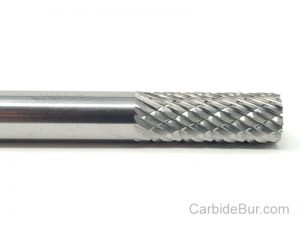
Check out all our USA made carbide bur cutting tools here
Basics of Carbide Burs
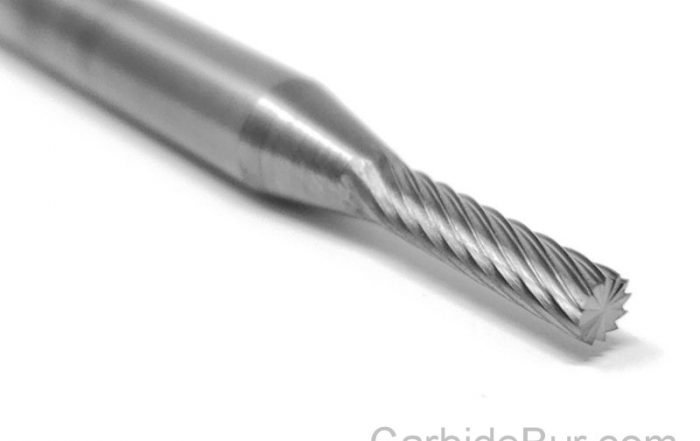
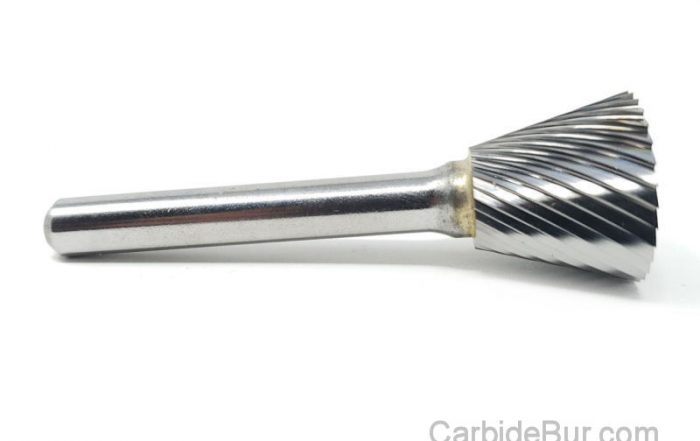
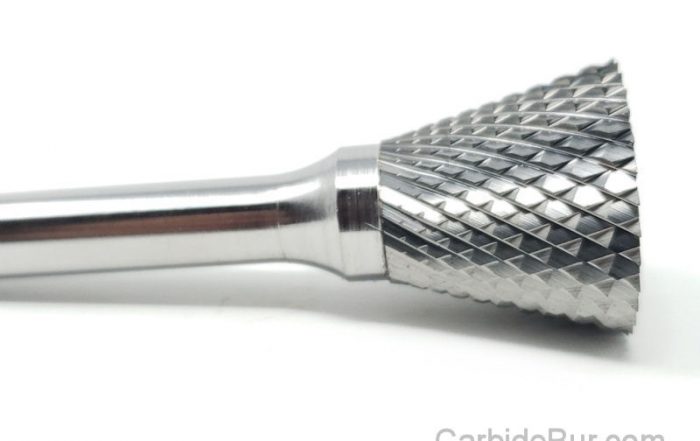
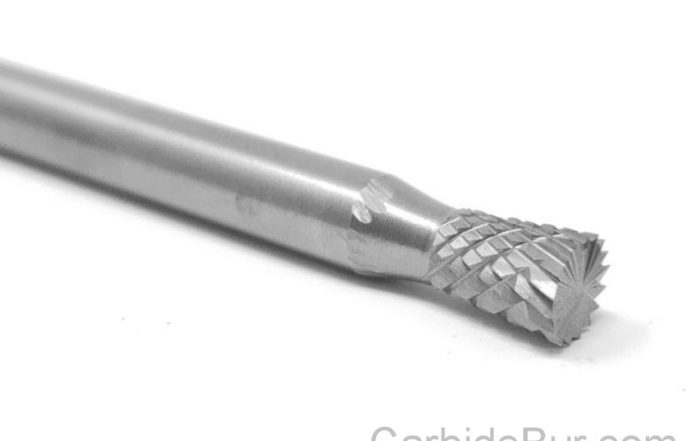
Carbide burs are rotary tools used to cut, shape, and remove material. Composed of tungsten carbide, they are incredibly durable and maintain sharpness even after extensive use. Their applications span various industries, but they are particularly valuable in small engine tuning.
Key Features:
-
Material: Tungsten carbide for longevity
-
Shape Options: Various shapes for different applications
-
Size Variations: Suitable for intricate work
Common uses include smoothing rough edges, enlarging holes, and enhancing airflow in engines. Explore carbide burs here.
Importance in Small Engine Tuning
Carbide burs play a vital role in small engine tuning by allowing precise modifications to cylinder heads. This precision translates into improved airflow and performance.
Benefits:
-
Enhanced Airflow: Leads to better combustion
-
Improved Efficiency: Optimizes engine performance
-
Cost-Effective Modifications: DIY-friendly tool
Their use in motorcycle and ATV tuning is well-documented. This video provides insights into effective carbide bur utilization.
Choosing the Right Burs
Selecting the appropriate carbide burs is crucial for successful engine tuning. Different shapes and sizes cater to specific tasks, ensuring optimal results.
Considerations:
-
Task Type: Choose based on the specific modification
-
Material Compatibility: Ensure the bur suits the engine material
-
Durability: Opt for high-quality tungsten carbide
Pro Tips:
-
Match the bur shape to the engine component
-
Consult expert guides for best practices
Motorcycle Cylinder Heads
Motorcycle cylinder heads significantly impact the engine’s performance. Porting these components with carbide burs can unlock new levels of efficiency and power.
Understanding Cylinder Head Porting
Cylinder head porting involves modifying the intake and exhaust paths to improve engine airflow. This technique is essential for enhancing engine performance.
Process Overview:
-
Objective: Increase airflow efficiency
-
Tools Required: Carbide burs, grinding tools
-
Outcome: Better combustion and power output
Porting is a detailed process requiring precision. Discover more on cylinder head porting techniques.
Check out all our USA made carbide bur cutting tools here
Enhancing Performance with Carbide Burs
Using carbide burs on cylinder heads can significantly enhance engine performance. The key lies in precision and understanding the airflow dynamics.
Enhancement Tips:
-
Focus on Smoothness: Reduce turbulence in airflow paths
-
Shape Optimization: Tailor the port shape for specific engine needs
-
Consistent Finish: Ensure uniformity across all ports
Regularly assessing the effectiveness of modifications can guide further tuning efforts.
DIY Motorcycle Modifications Guide
For those interested in DIY motorcycle modifications, carburetor tuning and cylinder head porting are excellent starting points. Carbide burs are indispensable in this process.
Step-by-Step Guide:
-
Preparation: Gather tools, including carbide burs and safety gear
-
Initial Assessment: Inspect cylinder heads for potential improvements
-
Porting Execution: Carefully use carbide burs to modify airflow paths
-
Testing: Evaluate engine performance post-modification
Safety Note: Always wear protective equipment when using carbide burs.
Porting Techniques for Small Engines
Porting small engines requires precision and the right tools. Carbide burs are central to this process, ensuring effective engine tuning.
Essential Tools for Porting
Successful porting starts with the right tools. Carbide burs, combined with other equipment, are crucial for effective modifications.
Tool List:
-
Carbide Burs: Essential for precision work
-
Grinding Equipment: Supports material removal
-
Safety Gear: Protects during the modification process
Investing in quality tools ensures longevity and better results.
Step-by-Step Porting Process
The porting process involves careful planning and execution. Follow these steps for effective small engine porting.
-
Identify Target Areas: Focus on areas needing airflow improvement
-
Select Appropriate Bur: Match the bur to the task
-
Begin Material Removal: Use controlled movements for precision
-
Smooth and Finish: Ensure all surfaces are even
Regular testing can validate the effectiveness of each modification.
Common Mistakes to Avoid
Avoiding common mistakes during porting can save time and enhance results. Awareness is key to successful engine tuning.
Mistakes to Avoid:
-
Over-Grinding: Can lead to weakened components
-
Ignoring Safety: Always prioritize protective gear
-
Rushing the Process: Precision requires patience
Learning from others’ experiences can significantly improve outcomes.
ATV Engine Performance Boost
ATV engines, much like motorcycles, benefit from precise tuning. Carbide burs are invaluable in enhancing ATV performance.
Tuning Techniques for ATVs
ATV tuning shares similarities with motorcycle engine tuning but requires adjustments for different performance needs.
Techniques Overview:
-
Airflow Optimization: Use burs to refine intake paths
-
Exhaust Efficiency: Modify exhaust paths for better output
-
Regular Maintenance: Ensures lasting performance improvements
Tailoring techniques to specific ATV models can yield better results.
Using Carbide Burs Effectively
Effectively using carbide burs is crucial for successful ATV engine modifications.
Effective Use Tips:
-
Select the Right Bur: Match it to the engine’s material
-
Precision Work: Focus on small, controlled adjustments
-
Consistent Evaluation: Regular testing ensures optimal performance
Adjusting techniques based on feedback can enhance results further.
Safety Tips and Best Practices
Safety is paramount when working with carbide burs. Following best practices ensures both safety and successful modifications.
Safety Practices:
-
Protective Gear: Always wear goggles and gloves
-
Tool Maintenance: Regularly inspect and maintain equipment
-
Workspace Safety: Ensure a clean and organized workspace
Adhering to safety protocols reduces the risk of accidents.
Conclusion and Final Thoughts
As we conclude this guide, it’s clear that carbide burs are essential for small engine tuning, offering precision and efficiency.
Recap of Key Points
Key takeaways from this guide emphasize the importance of carbide burs and proper tuning techniques.
-
Carbide Burs: Essential for small engine modifications
-
Cylinder Head Porting: Crucial for airflow improvement
-
Safety: Vital throughout the tuning process
Understanding these points can enhance your engine tuning journey.
Encouragement for DIY Enthusiasts
For those passionate about DIY modifications, starting with small engine tuning is both rewarding and educational.
-
Experiment: Don’t be afraid to try new techniques
-
Learn: Utilize resources and guides
-
Enjoy: Allow yourself to enjoy the process
Eager enthusiasts can achieve remarkable results with patience and practice.
Future of Small Engine Tuning
The future of small engine tuning is promising, with advancements in tools and techniques continually emerging.
-
Innovation: Expect new tool developments
-
Tech Integration: Digital tools enhancing tuning precision
-
Community Growth: Expanding online communities for shared knowledge
Staying informed will be crucial in navigating this evolving landscape.
Check out all our USA made carbide bur cutting tools here
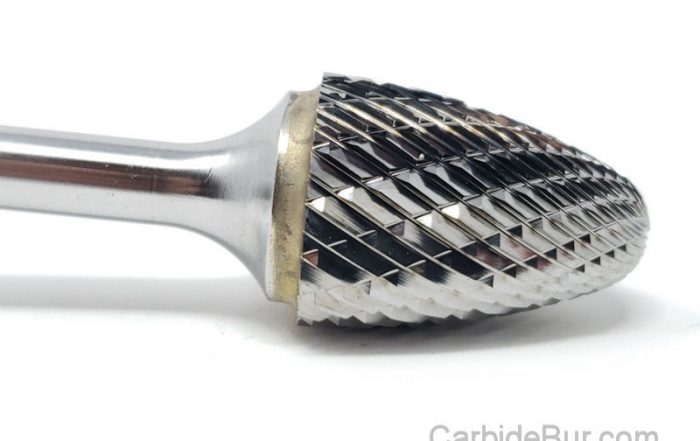
How to Stop Aluminum from Clogging Your Carbide Burr
How to Stop Aluminum from Clogging Your Carbide Burr Aluminum is widely used in automotive work, welding, metal fabrication, aerospace components, and general machining. It is lightweight, relatively easy to machine, and versatile across many [...]
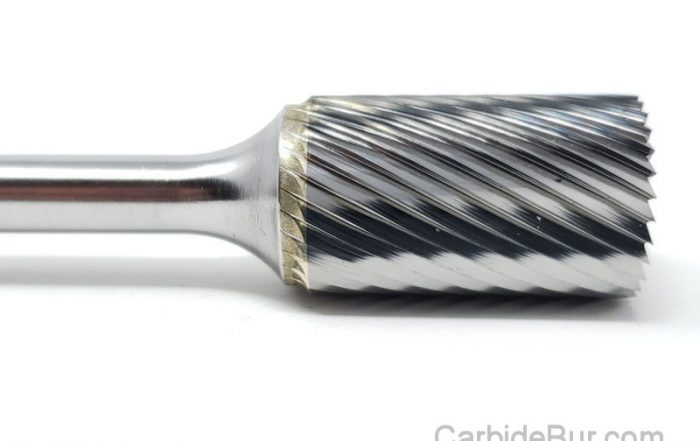
Carbide Burrs for Intake Manifolds: Shaping, Cleanup, and Fitment
Carbide Burrs for Intake Manifolds: Shaping, Cleanup, and Fitment Intake manifold work often involves more than simply bolting a component onto an engine. Depending on the application, metal intake components may have casting irregularities, rough [...]
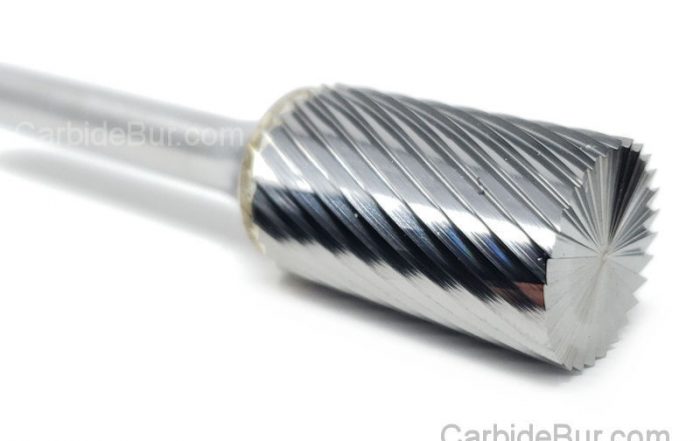
Why Long-Shank Carbide Burrs Are Useful for Hard-to-Reach Areas
Why Long-Shank Carbide Burrs Are Useful for Hard-to-Reach Areas When working on metal parts, the area that needs grinding or shaping is not always easy to reach. Recessed openings, deep cavities, interior surfaces, and complicated [...]
Choosing Carbide Burrs for Stainless Steel Fabrication
Choosing Carbide Burrs for Stainless Steel Fabrication Stainless steel is widely used in fabrication because of its corrosion resistance, strength, and durability. However, those same properties can make it challenging to machine and finish. Removing [...]
Can You Use Carbide Burrs in a Dremel? Shank Sizes Explained
Can You Use Carbide Burrs in a Dremel? Shank Sizes Explained If you use a Dremel or another rotary tool for detail work, metal shaping, or small fabrication projects, you may wonder whether you can [...]
How to Choose the Best Carbide Burr for Welding and Metal Fabrication
How to Choose the Best Carbide Burr for Welding and Metal Fabrication Welding and metal fabrication often require more than joining two pieces of metal together. Once the welding is finished, fabricators frequently need to [...]
Carbide Burrs for Cylinder Heads: What Automotive Enthusiasts Need to Know
Carbide Burrs for Cylinder Heads: What Automotive Enthusiasts Need to Know Cylinder head work is an important part of engine building, restoration, and performance machining. Whether you are cleaning up casting imperfections, refining port surfaces, [...]
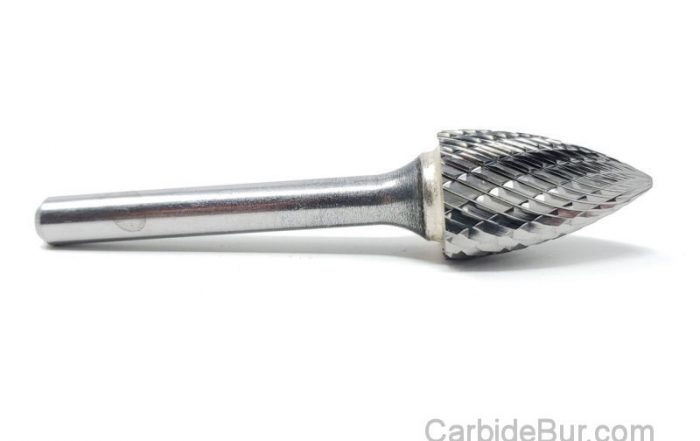
Engine Porting 101: How Carbide Burrs Help Shape Cylinder Head Ports
Engine Porting 101: How Carbide Burrs Help Shape Cylinder Head Ports Engine performance enthusiasts, automotive machinists, and engine builders often look for ways to improve airflow through an engine's cylinder heads. One technique used in [...]
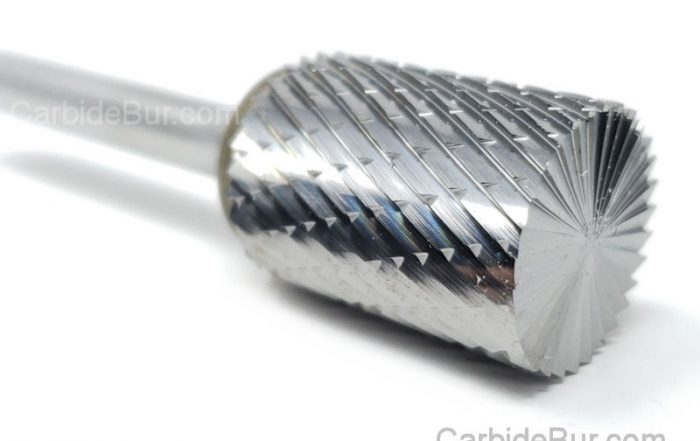
When to Use a 4-Inch or 9-Inch Die Grinder Extension
When to Use a 4-Inch or 9-Inch Die Grinder Extension Metal fabrication, welding, automotive repair, and engine building often require working in places where a standard die grinder and carbide burr cannot easily reach. Recessed [...]
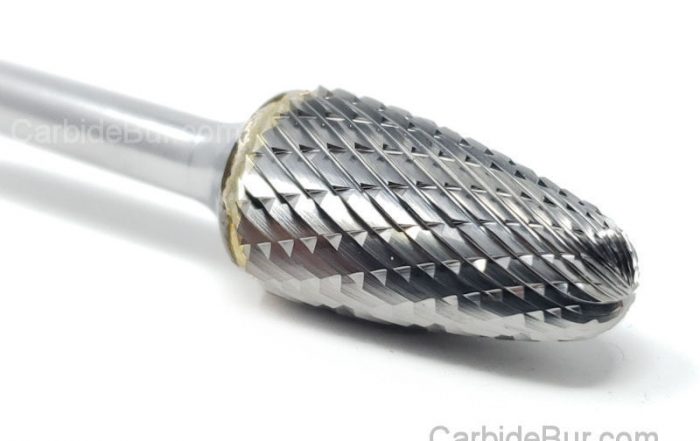
Why Buy USA-Made Carbide Burr Tools? What Buyers Should Compare
Why Buy USA-Made Carbide Burr Tools? What Buyers Should Compare When shopping for carbide burr tools, it's tempting to compare products based on price alone. However, professionals who use rotary cutting tools for welding, metal [...]
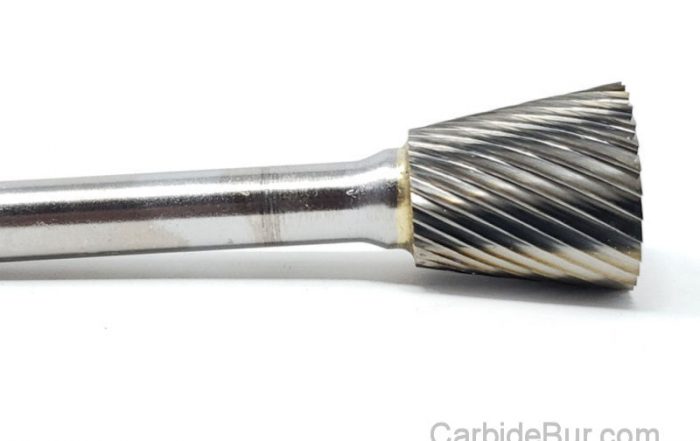
How to Use 1/8-Inch Rotary Bits with a Die Grinder
How to Use 1/8-Inch Rotary Bits with a Die Grinder Die grinders are popular tools for metalworking, fabrication, deburring, and precision material removal. However, many die grinders use a 1/4-inch collet, while smaller rotary tools [...]

Can You Use a Carbide Burr With an Electric Die Grinder?
Can You Use a Carbide Burr With an Electric Die Grinder? Most people don’t realize how much a carbide burr can change the way an electric die grinder works. Using the right burr type can [...]
