
Carbide Bur Cutting Tools Steel Shanks
We offer a huge selection of carbide bur cutting tools and die grinder bits. 1/4″ carbide burs on 1/8″ heat treated steel shanks
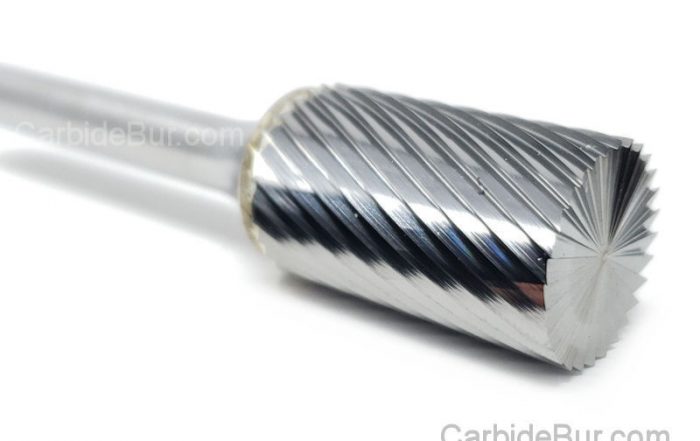
SA-51 1/4″ x 1/2″ 
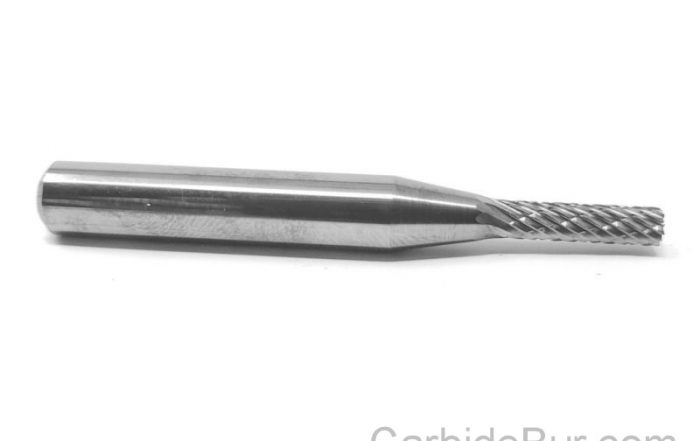
SB-51 1/4″ x 3/16″
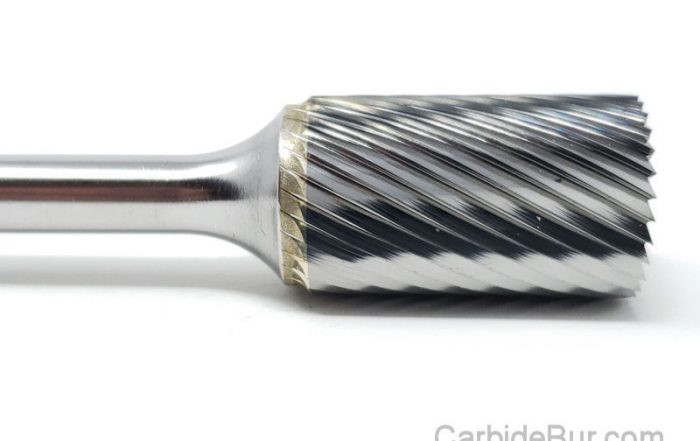
SC-51 1/4″ x 1/2″
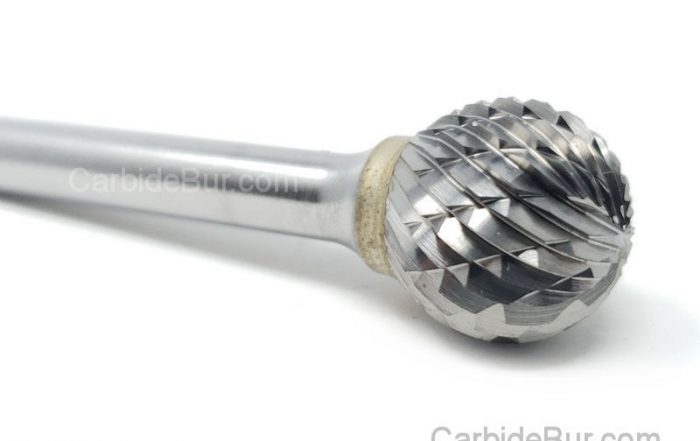
SD-51 1/4″
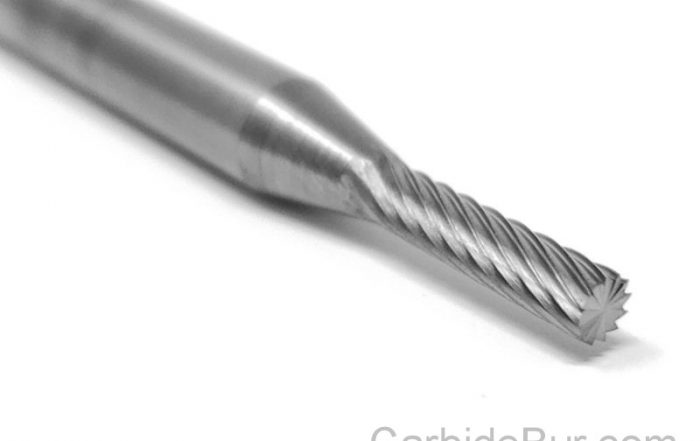
SE-51 1/4″ x 3/8″
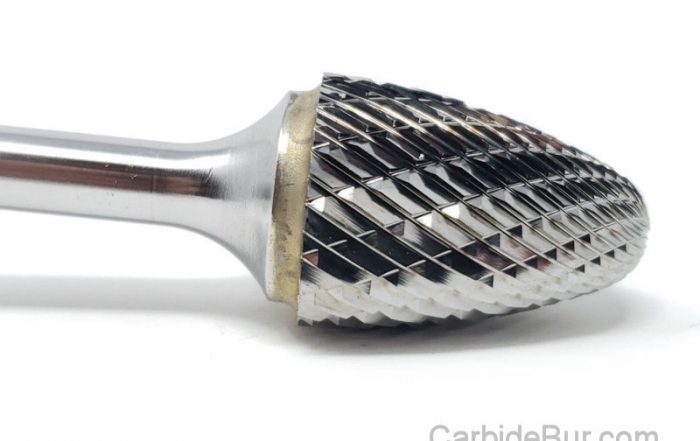
SF-51 1/4″ x 1/2″
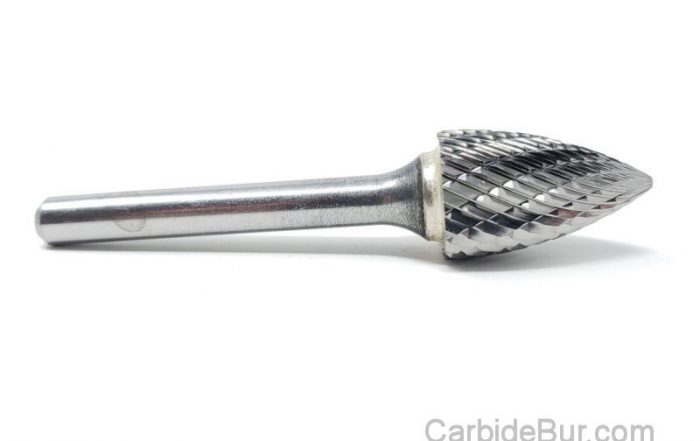
SG-51 1/4″ x 1/2″
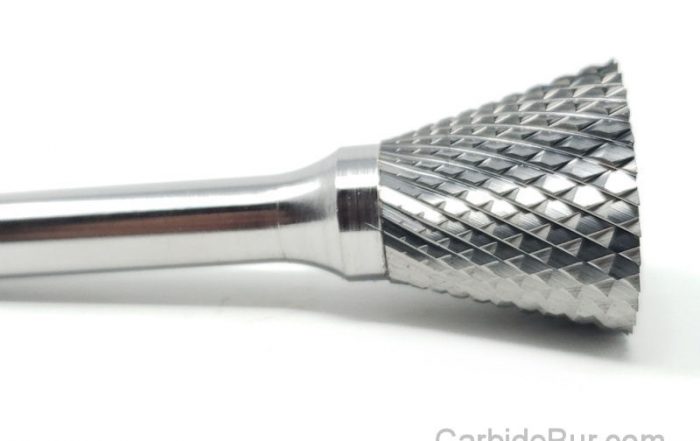
SM-51 1/4″ x 1/2″ 22 degree included taper
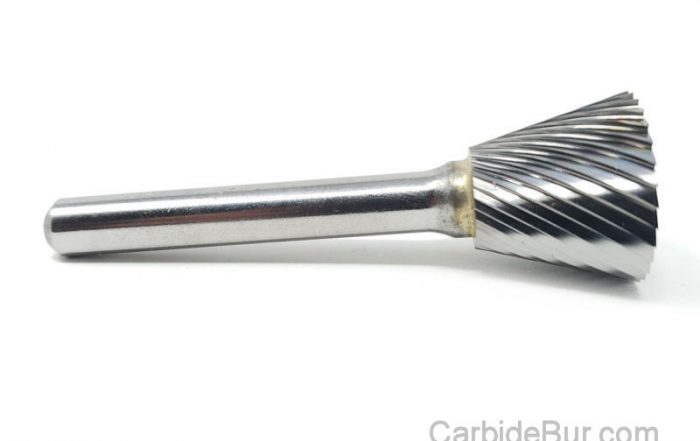
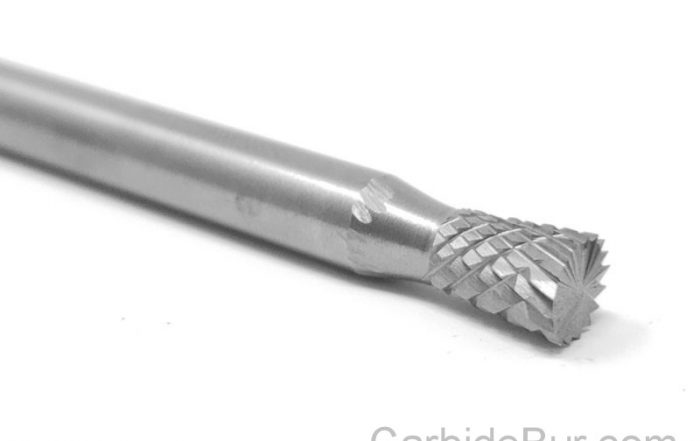
SN-51 1/4″ x 1/4″ 10 degree included taper
How Carbide Bur Tools Revolutionize Metalworking
In the world of metalworking, precision and efficiency are paramount, and carbide bur tools are at the forefront of this revolution. These durable cutting tools are engineered to withstand the rigors of shaping, deburring, and finishing surfaces, setting a new standard for performance in the industry. With a variety of shapes and sizes, carbide cutting burrs provide the versatility needed to tackle any project with precision cutting tools that guarantee exceptional results. Whether you’re a seasoned machinist or a tool enthusiast, integrating these advanced metalworking tools into your toolkit can significantly enhance your craftsmanship. Join us as we delve into how these carbide bur tools are transforming metalworking practices, ensuring precision and reliability like never before. For more information, check out our selection of Carbide Bur Cutting Tools designed to provide exceptional durability and performance in metalworking applications.
The Evolution of Carbide Bur Tools
As metalworking has advanced, so too have the tools used to shape and refine metal. Carbide bur tools stand out as pivotal in this evolution, offering enhanced capabilities that redefine precision and efficiency.
A Brief History of Cutting Technology
The history of cutting technology dates back to ancient times, with early humans using rudimentary tools made of stone. As metallurgy advanced, tools evolved into bronze, iron, and eventually steel. Each leap in material science brought improvements in strength and precision.
In the 20th century, the advent of carbide materials revolutionized cutting tools. Carbide, known for its hardness and durability, offered a significant improvement over traditional steel tools. This innovation allowed for faster cutting speeds and extended tool life.
Today, carbide bur tools are integral to metalworking, providing unparalleled precision and efficiency. This evolution is detailed further at carbidebur.net.
How Carbide Burs Improve Efficiency
Carbide burs enhance metalworking efficiency through several key attributes. First, they maintain sharpness longer due to their inherent hardness, reducing downtime for tool changes. This allows for a smoother workflow and increased productivity.
Additionally, carbide burs are capable of cutting at higher speeds, which translates directly into time savings in production environments. This is particularly advantageous in high-volume manufacturing settings where time is critical.
Moreover, the versatility of carbide burs in handling various metals—from soft aluminum to hard steel—further boosts their utility. For more insights on this efficiency, explore this article.
Key Benefits of Carbide Bur Tools
Carbide bur tools bring numerous advantages to metalworking professionals. These range from precision to durability, making them indispensable in various applications.
Precision Cutting for Professionals
Carbide burs are renowned for their precision cutting capabilities. Their sharp edges and resistance to wear allow for clean, accurate cuts, essential in detailed work. This precision is crucial in industries like aerospace and automotive, where tolerances are tight.
These tools also facilitate intricate designs, enabling craftsmen to achieve detailed patterns and finishes. The end result is a higher quality product with superior surface finishes.
For professionals looking to elevate their craft, carbide burs offer a transformative edge. More on this can be read at Carbide Burr.
Durability in Metalworking Applications
The durability of carbide bur tools is unmatched. Made from a composite of carbide and cobalt, these tools withstand high temperatures and resist deformation. This durability leads to a longer lifespan, reducing the frequency of replacements.
Durability also means fewer interruptions in workflow due to tool wear. As a result, metalworkers can focus more on production and less on maintenance.
This resilient nature makes carbide burs a wise investment for any metalworking professional. Learn more about their durability at MSK CNC Tools.
Versatility Across Shapes and Sizes
Carbide burs come in a wide array of shapes and sizes, making them incredibly versatile. This diversity allows for customization in various tasks, from rough cutting to fine detailing.
Different shapes cater to specific functions, such as cylindrical burs for flat surfaces and ball-shaped burs for curved edges. This versatility ensures that the right tool is available for any job.
Having a comprehensive set of carbide burs empowers professionals to tackle a broad spectrum of projects with confidence. Explore the variety available at Carbide Burr.
Choosing the Right Carbide Bur Tools
Selecting the right carbide bur tools requires careful consideration of several factors to ensure optimal performance in your projects.
Factors to Consider for Your Needs
When selecting carbide bur tools, consider factors such as material compatibility, desired finish, and tool size. These aspects determine the effectiveness of the bur in your specific application.
-
Material Compatibility: Ensure the bur is suitable for the metal you are working with.
-
Desired Finish: Different burs provide varying surface finishes. Choose accordingly.
-
Tool Size: Select a size that matches the scale of your project.
Understanding these factors helps in choosing the most effective tool for your needs. For further guidance, refer to resources at Carbide Burr.
Maintaining and Caring for Your Tools
Proper maintenance of carbide bur tools extends their lifespan and ensures consistent performance. Follow these steps to care for your tools:
-
Regular Cleaning: Remove debris after each use to prevent build-up.
-
Proper Storage: Store tools in a dry place to avoid rust and damage.
-
Routine Inspection: Check regularly for signs of wear and replace as needed.
Adhering to these maintenance practices prolongs the effectiveness of your tools, ensuring optimal results in every project. For more tips, visit MSK CNC Tools.
We manufacture single, double, and aluminum cut carbide bur cutting tools. We will tell you the differences between single, double and aluminum cuts, and when to use them.
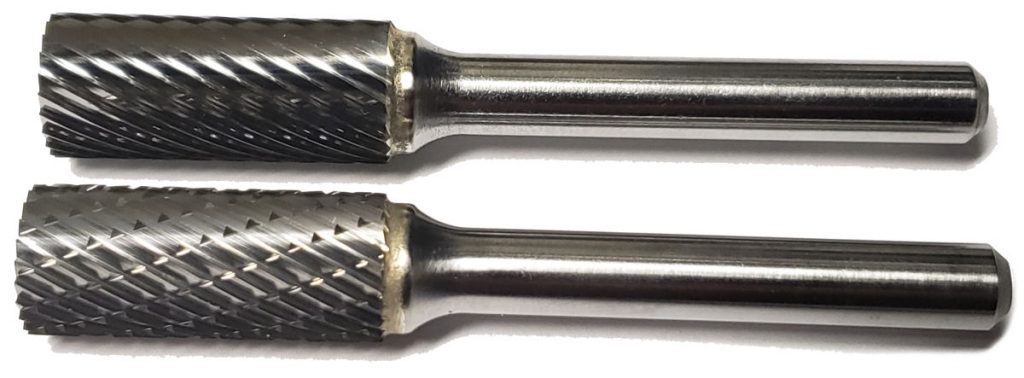
Choose Double, Single or Aluminum Cut 1/4″ Carbide Bur?
Double Cut
Our double cut carbide burs allow for rapid stock removal in harder materials. The addition of the left hand flutes reduces the pulling action, allowing better operator control. You can reduce the size of the chips and use them at slower than normal speeds using our double cut burs.
Single Cut
Our single cut carbide burs are for general purpose and designed for cast iron, steel, some copper and brass, and other ferrous materials. Single cut will give good material removal and good workpiece finishes.
Aluminum Cut
Non-ferrous are exactly what you would expect them to be. Use our cutting tools on non-ferrous materials such as aluminum, copper and magnesium.
Our USA made tungsten carbide burrs can be used on most hard materials including steel, aluminum and cast iron, all types of stone, ceramic, porcelain, hard wood, acrylics, fibreglass and reinforced plastics. If you use our burs on soft metals such as gold, platinum and silver, carbide burrs are perfect as they will last for a long time with no breaking or chipping.
Different cuts of carbide burrs will be best suited for certain materials.
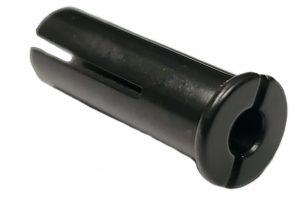
Try our 1/4” to 1/8” Collet Reducer
Allows you to use 1/8” shank carbide bits in your 1/4” collet router
Uses for 1/4″ Carbide Bur Die Grinder Bits
Carbide burs are widely used in metalworking, tool making, engineering, model engineering, wood carving, jewelry making, welding, chamferring, casting, deburring, grinding, cylinder head porting and sculpting. Our carbide cutting tools are used in the aerospace, automotive, dentistry, stone and metalsmith industries.
Carbide burs (burrs) are tools that are used for precision in cutting, grinding, and shaping the material
with which they are being worked. Additionally, you can use them for deburring, where burrs, excess
materials, sharp edges, and weld beads are removed. Use carbide burs in industrial tools, such as air
tools (e.g., die grinders), engravers, flexible shafts, and pendant drills, as well as for hobbies (e.g.,
Dremel tools). Their uses are varied and diverse, such as jewelry work, metalworking, welding,
woodworking, and cover a range of industries, including aeronautics, aviation, automotive, dentistry,
and metal and stone working.
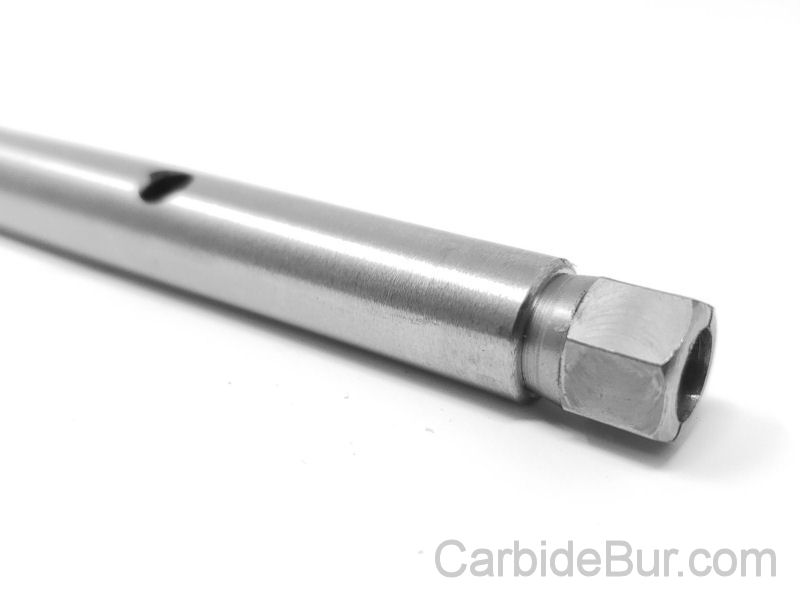
Need a longer reach?
Try our 4″ and 9″ extension tool for your carbide bur bits
Carbide burs (burrs) are composed of titanium or tungsten; diamond is the only material on
the Mohs scale that is harder and also used for drill tips. This means they are ideal for multiple purposes
due to the fact that they maintain sharper cutting edges for longer periods of time due, and tolerate
higher temperatures without warping when you apply friction. Carbide burs (burrs) maintain their sharp edges 10-20 times longer than a stainless-steel bur (burr), depending on the
frequency of use and the materials used with.
All our USA made carbide bur cutting tools ship SAME DAY ordered by USPS Mail with online tracking.
We can also dropship the carbide bur die grinder bit, if interested in joining our FREE dropship program.

We accept debit and all major credit card payments including Visa, MasterCard, Discover, American Express and PayPal. Fast and easy secure checkout with no account or login required. If you have any questions, visit our FAQ page or contact us here.

Follow us on Twitter

Return to CarbideBur.com
Carbide Burs – 1/4″ on 1/8″ Shanks – Accessories – Aluminum Cut – Bur Sets – End Mills – Long Shank – Solid Burs
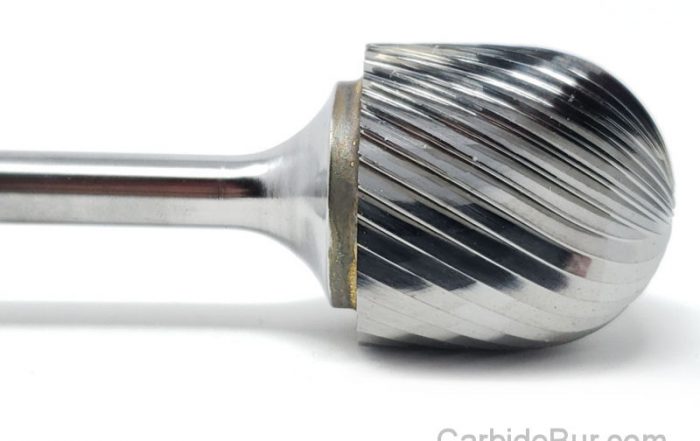
How to Get More Life from Your Carbide Burrs
How to Get More Life from Your Carbide Burrs Carbide burrs are valuable tools for welders, fabricators, machinists, automotive enthusiasts, and anyone who regularly works with metal. They can remove material, shape edges, clean up [...]
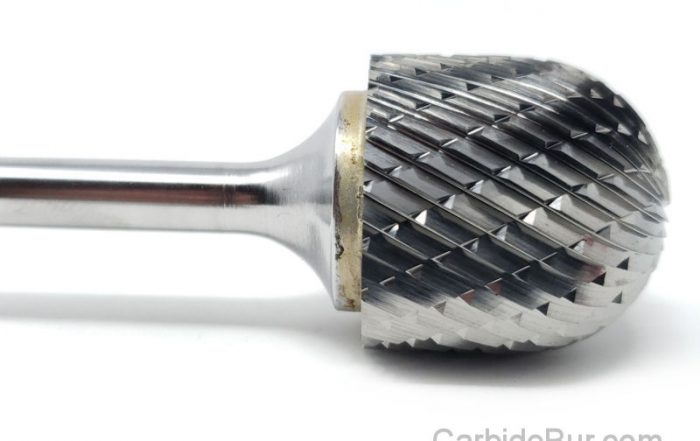
Are Expensive Carbide Burrs Worth It? Comparing Price and Performance
Are Expensive Carbide Burrs Worth It? Comparing Price and Performance When shopping for carbide burrs, it's easy to assume that the cheapest option saves money. But if you use rotary cutting tools regularly for welding, [...]
Carbide Burr vs. Grinding Stone: Which Is Better for Metal Removal?
Carbide Burr vs. Grinding Stone: Which Is Better for Metal Removal? When you need to remove metal, smooth a rough edge, or shape a metal component, two common options are carbide burrs and grinding stones. [...]
Carbide Burr Safety: RPM, Eye Protection, and Common Mistakes
Carbide Burr Safety: RPM, Eye Protection, and Common Mistakes Carbide burrs are versatile cutting tools used for metal fabrication, welding cleanup, engine porting, deburring, and general material removal. When used correctly, they can help remove [...]
How to Stop Aluminum from Clogging Your Carbide Burr
How to Stop Aluminum from Clogging Your Carbide Burr Aluminum is widely used in automotive work, welding, metal fabrication, aerospace components, and general machining. It is lightweight, relatively easy to machine, and versatile across many [...]
Carbide Burrs for Intake Manifolds: Shaping, Cleanup, and Fitment
Carbide Burrs for Intake Manifolds: Shaping, Cleanup, and Fitment Intake manifold work often involves more than simply bolting a component onto an engine. Depending on the application, metal intake components may have casting irregularities, rough [...]
Why Long-Shank Carbide Burrs Are Useful for Hard-to-Reach Areas
Why Long-Shank Carbide Burrs Are Useful for Hard-to-Reach Areas When working on metal parts, the area that needs grinding or shaping is not always easy to reach. Recessed openings, deep cavities, interior surfaces, and complicated [...]
Choosing Carbide Burrs for Stainless Steel Fabrication
Choosing Carbide Burrs for Stainless Steel Fabrication Stainless steel is widely used in fabrication because of its corrosion resistance, strength, and durability. However, those same properties can make it challenging to machine and finish. Removing [...]
Can You Use Carbide Burrs in a Dremel? Shank Sizes Explained
Can You Use Carbide Burrs in a Dremel? Shank Sizes Explained If you use a Dremel or another rotary tool for detail work, metal shaping, or small fabrication projects, you may wonder whether you can [...]
How to Choose the Best Carbide Burr for Welding and Metal Fabrication
How to Choose the Best Carbide Burr for Welding and Metal Fabrication Welding and metal fabrication often require more than joining two pieces of metal together. Once the welding is finished, fabricators frequently need to [...]
Carbide Burrs for Cylinder Heads: What Automotive Enthusiasts Need to Know
Carbide Burrs for Cylinder Heads: What Automotive Enthusiasts Need to Know Cylinder head work is an important part of engine building, restoration, and performance machining. Whether you are cleaning up casting imperfections, refining port surfaces, [...]
Engine Porting 101: How Carbide Burrs Help Shape Cylinder Head Ports
Engine Porting 101: How Carbide Burrs Help Shape Cylinder Head Ports Engine performance enthusiasts, automotive machinists, and engine builders often look for ways to improve airflow through an engine's cylinder heads. One technique used in [...]