
Understanding Carbide Burrs: The Essential Tungsten Carbide Tools for Precision Work
Carbide burrs are the secret behind sharp, precise results in metalworking and woodworking. If you’ve struggled with tools that wear out too fast or leave rough finishes, these tungsten carbide tools might change your approach. From shaping to grinding, understanding the types and geometry of carbide burrs can help you tackle tough materials and complex designs with ease. Let’s explore how these metalworking tools fit into your workshop and improve your craft.
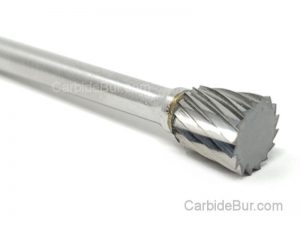
Introduction to Carbide Burrs
Carbide burrs are a game changer in crafting and manufacturing. They are known for their toughness and precision, making them a go-to for many professionals. Understanding their unique qualities is key to utilizing them in your work effectively.
What Are Carbide Burrs?
At their core, carbide burrs are rotary cutting tools used to remove material. Made primarily from tungsten carbide, they are much harder than standard steel counterparts. These tools come in various shapes, each designed to handle specific tasks. Whether you’re smoothing, carving, or grinding, there’s likely a burr that suits your needs.
These tools shine in applications where precision is vital. Their ability to cut through tough materials like metal and wood without losing sharpness makes them indispensable in workshops. You’ll find that the durability of carbide burrs leads to longer tool life and consistent performance.
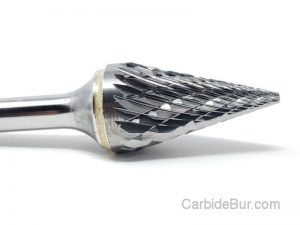
Importance of Tungsten Carbide Tools
Tungsten carbide tools stand out due to their remarkable hardness and resistance to wear. This makes them ideal in settings that demand durability. When working with materials that would quickly dull other tools, tungsten carbide remains steadfast.
For professionals in metalworking, this means fewer tool changes and more time spent on productive tasks. The investment in these tools pays off with enhanced efficiency and reduced downtime. In woodworking, the clean cuts achieved with carbide burrs can elevate the quality of your projects.
Precision in Metalworking Tools
Precision in metalworking is non-negotiable. Carbide burrs excel in delivering accurate and consistent results. They are crafted to maintain their sharpness and shape even after extended use. This reliability is crucial when working on intricate designs or detailed finishes.
When you use carbide burrs, you’re utilizing a tool designed for excellence. Their precision allows you to tackle complex tasks that might otherwise seem daunting. The result is a smoother workflow and a superior end product.
Types of Carbide Burrs
Understanding the variety of carbide burrs available can greatly impact your work. Different shapes and sizes mean different capabilities, catering to a wide array of tasks and materials. Let’s break down the options you have at your disposal.
Common Shapes and Sizes
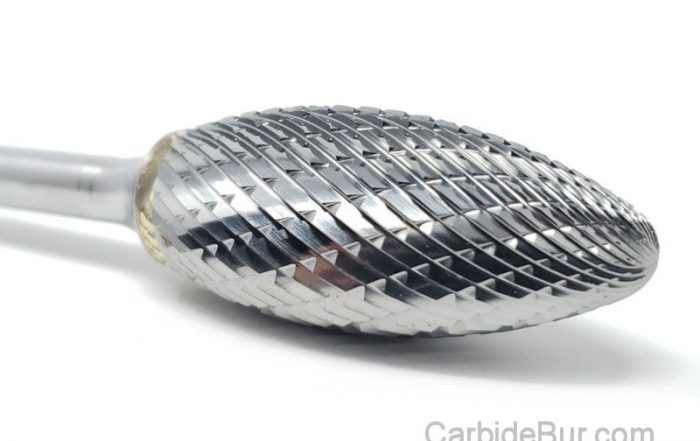
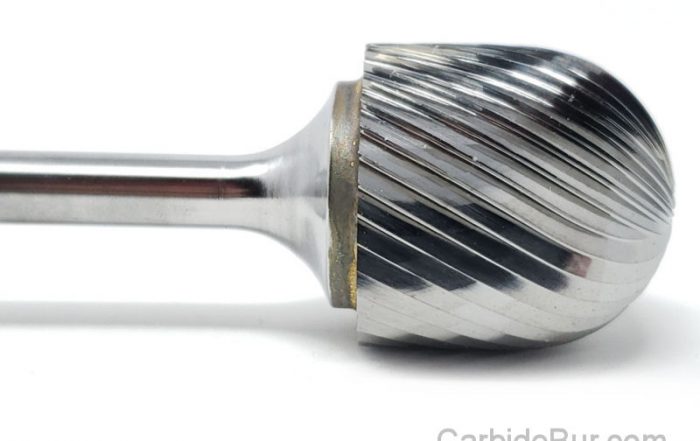
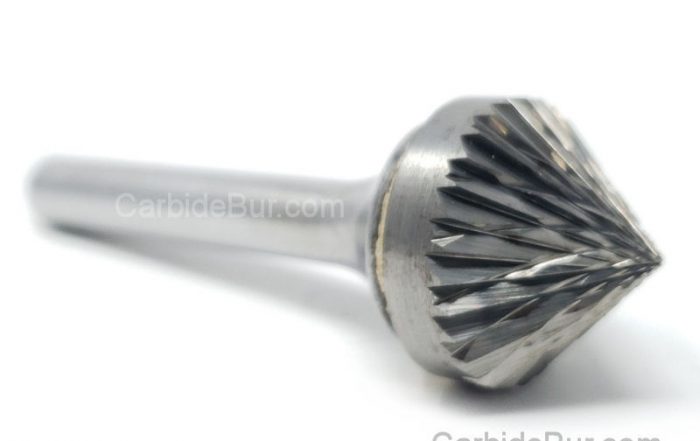
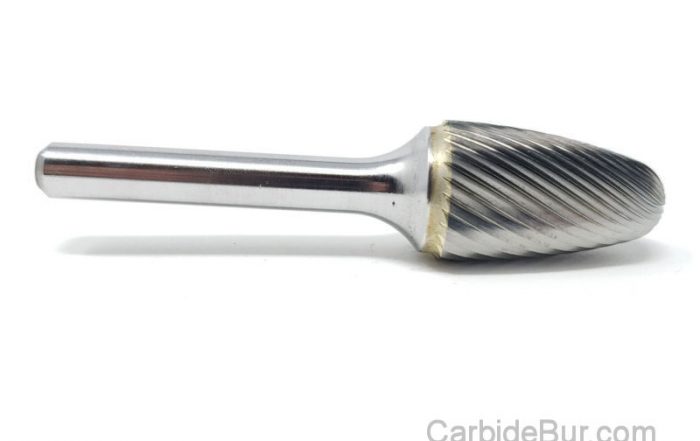
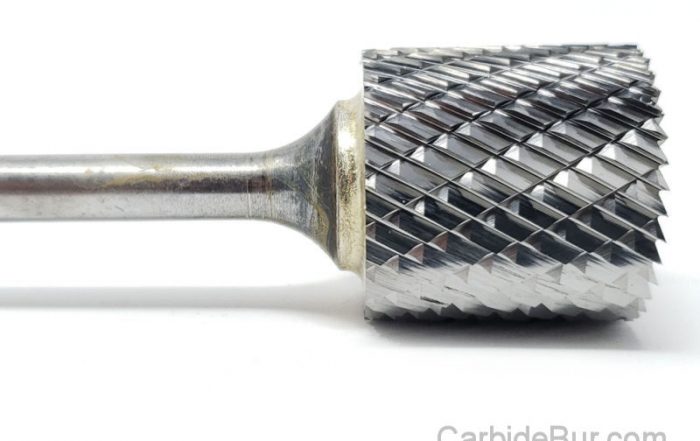
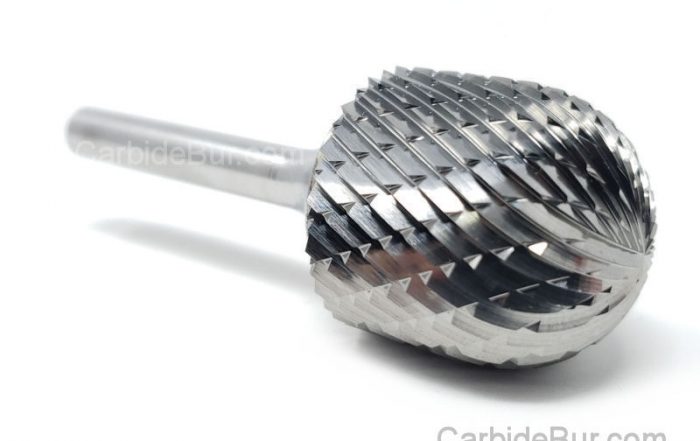
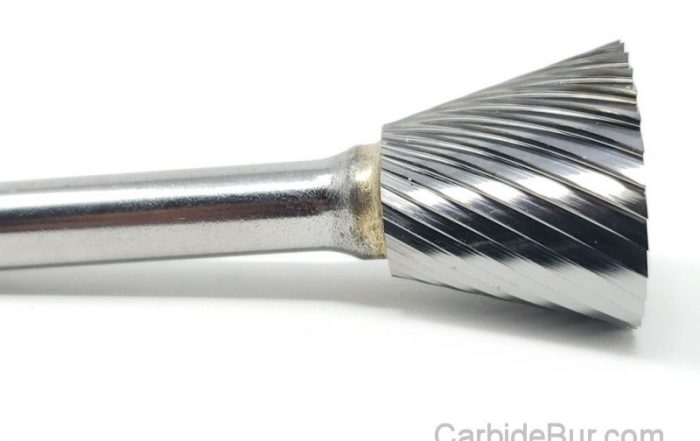
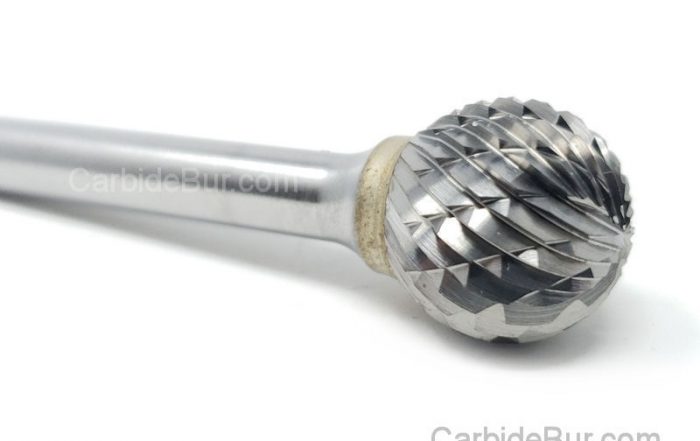
Carbide burrs come in numerous shapes such as cylindrical, conical, and spherical. Each shape serves a specific purpose. Cylindrical burrs are perfect for creating flat surfaces and contours. Conical ones excel at reaching into tight spaces and adding fine details.
The size of a burr can influence its effectiveness on a given project. Smaller burrs are great for delicate work, while larger ones cover more area quickly. By choosing the right shape and size, you ensure the best results for your task.
Specialty Burrs for Specific Uses
Apart from the common shapes, there are specialty burrs designed for niche applications. These are crafted to handle unique challenges and can make a significant difference in your work. For instance, a double-cut burr is ideal for removing heavy material quickly while maintaining control.
Specialty burrs can be a valuable addition to your toolkit. They enhance your ability to adapt to various project demands, improving both speed and quality. Consider exploring specialty carbide burrs that might align with your specific needs.
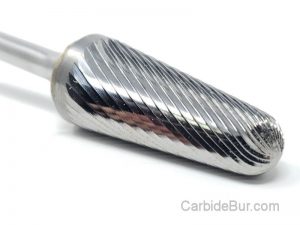
Choosing the Right Grinding Tools
Selecting the proper grinding tools is crucial for optimal performance. You need to consider the material and the desired outcome. For hard metals, tungsten carbide burrs are often the best choice due to their cutting strength and durability.
When deciding, think about the specific requirements of your project. Matching the tool to the task ensures better efficiency and results. Check out these options to find the best fit for your needs.
Applications of Carbide Burrs
Carbide burrs are versatile tools with applications spanning across various industries. From automotive to aerospace, their utility cannot be overstated. Let’s explore the diverse ways these tools are utilized.
Industrial Tools in Automotive
In the automotive industry, precision is critical. Carbide burrs are often used to refine engine components and other parts that require exact specifications. Their ability to handle tough metals makes them a staple in automotive manufacturing.
Professionals rely on these tools for deburring and shaping parts. The use of carbide burrs contributes to the production of high-quality, reliable vehicles. They ensure components fit perfectly and function as intended.
Aerospace Applications and Benefits
Aerospace demands precision and reliability. Carbide burrs are used extensively to shape and finish aircraft components. Their accuracy and durability are essential in maintaining the safety and performance standards of aerospace parts.
The benefits of using tungsten carbide tools in this sector include reduced production errors and improved component longevity. These tools help maintain the integrity of critical parts under extreme conditions.
Metalworking and Woodworking Uses
In both metalworking and woodworking, carbide burrs offer unmatched precision. They help create intricate designs and smooth finishes that might be challenging with other tools. Whether you’re crafting furniture or metal sculptures, these tools enhance your work quality.
The versatility of carbide burrs makes them suitable for a wide range of tasks. From cutting to refining, they are indispensable in achieving professional-grade results across different materials.
Geometry of Carbide Burrs
The geometry of carbide burrs plays a vital role in their performance. Understanding this aspect can help you make informed decisions about which burrs to use. It also impacts the tool’s effectiveness in various applications.
Influence on Shaping Tools Performance
The design of a burr affects how well it performs. The angles and flutes determine its cutting ability and smoothness of operation. A well-designed burr can make shaping tasks easier and more efficient.
Different geometries lend themselves to specific tasks. By selecting the right design, you ensure that the burr performs optimally, saving time and enhancing results.
Impact on Durability and Precision
Durability and precision are key when working with carbide burrs. The geometry not only influences how long the tool lasts but also affects its accuracy. A well-crafted burr maintains its edge longer, providing consistent performance.
Choosing burrs with superior geometry helps maintain the quality of your work. It reduces wear and tear on both the tool and the material, leading to cleaner cuts and longer tool life.
Key Considerations for Using Burrs
When using carbide burrs, there are important factors to keep in mind. From safety to maintenance, these considerations ensure you get the most out of your tools while keeping your workspace secure.
Safety Tips and Best Practices
Safety is paramount when working with any tool. Always wear protective gear such as gloves and goggles to prevent injury. Be mindful of the speed and pressure applied during use to avoid accidents.
It’s crucial to keep your workspace organized and free from clutter. Proper handling and storage of burrs prevent damage and extend their lifespan. By following these best practices, you ensure a safe and efficient working environment.
Maintenance and Care for Long-lasting Tools
Maintaining your carbide burrs is key to their longevity. Regular cleaning removes debris and prevents buildup, preserving their sharpness. Store them in a dry, safe place to avoid corrosion and damage.
By investing time in proper maintenance, you prolong the life of your tools. This results in more consistent performance and less frequent replacement, saving you money and effort in the long run.
In conclusion, understanding the nuances of carbide burrs can transform your approach to crafting and manufacturing. These tools offer precision, durability, and versatility, making them an essential part of any workshop. Consider exploring different shapes and materials to find the perfect fit for your needs, and remember that proper care and handling ensure a long-lasting investment in your craft.
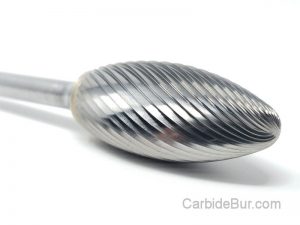
Looking for Carbide Bur Tools?
Check out our entire selection of USA made carbide bur die grinder tool bits
Follow us on Twitter

Return to CarbideBur.com
Carbide Burs – 1/4″ on 1/8″ Shanks – Accessories – Aluminum Cut – Bur Sets – End Mills – Long Shank – Solid Burs
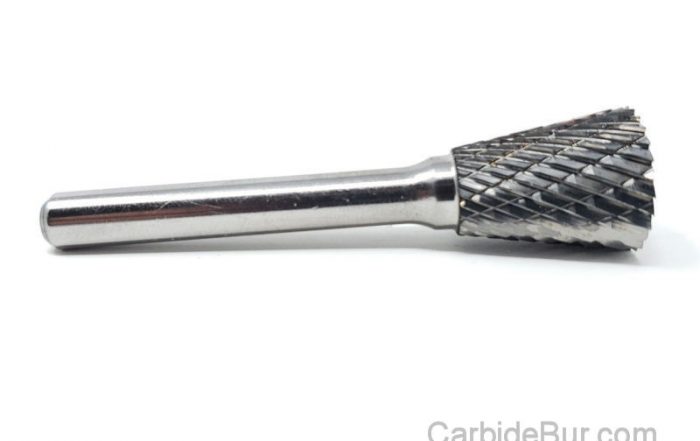
Carbide Burrs for Removing Rust: What Works Best?
Carbide Burrs for Removing Rust: What Works Best? Rust can turn your favorite tools into useless junk faster than you expect. Removing it without ruining the metal underneath takes more than just elbow grease—it demands [...]
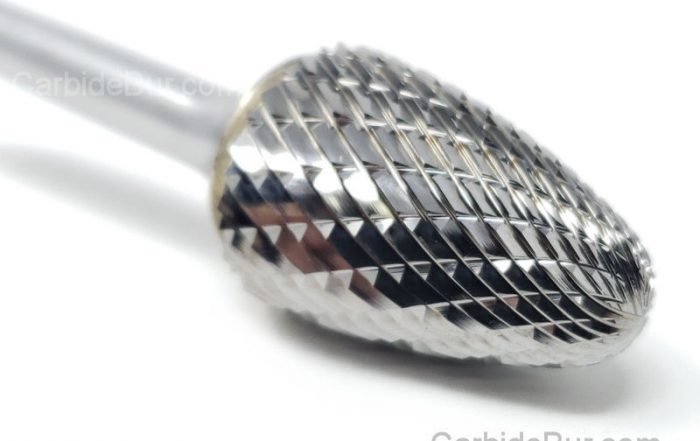
How Much Pressure Should You Use With a Carbide Burr?
How Much Pressure Should You Use With a Carbide Burr? Most people think pressing harder with a carbide burr speeds up the job. That’s not true—too much pressure wears out your tool and ruins the [...]
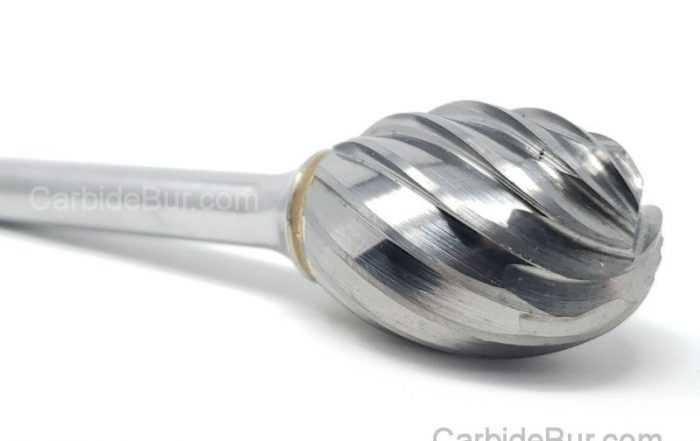
Can You Use Carbide Burrs With an Air Die Grinder?
Can You Use Carbide Burrs With an Air Die Grinder? Most people don’t realize how well carbide burrs work with air die grinders until they try them. If you’ve ever struggled with finding the right [...]
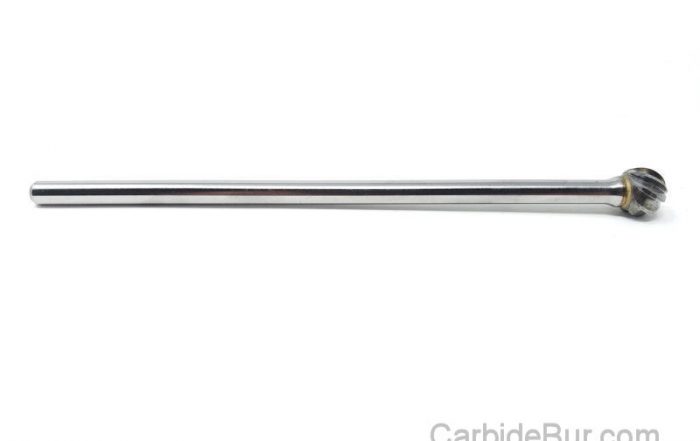
Best Long Reach Carbide Burr for Deep Metal Work
Best Long Reach Carbide Burr for Deep Metal Work Long reach carbide burrs often promise deep metal access, but many fall short where it counts most. You need a tool that cuts cleanly, lasts through [...]
What RPM Should You Use for a 1/8 Inch Carbide Burr?
What RPM Should You Use for a 1/8 Inch Carbide Burr? Most people guess the right carbide burr RPM by feel—and waste hours redoing work. If you want cleaner cuts and longer tool life, your [...]
Carbide Burrs for Tight Spaces: Choosing the Right Shape
Carbide Burrs for Tight Spaces: Choosing the Right Shape Tackling tight spaces with the wrong carbide burrs wastes time and risks damaging your work. Choosing the right burr shape makes all the difference when working [...]
Can Carbide Burrs Remove Paint From Metal?
Can Carbide Burrs Remove Paint From Metal? Stripping paint from metal often feels like a tough chore that risks damaging the surface underneath. Many turn to carbide burrs hoping they can speed things up without [...]
How to Grind a Groove in Metal With a Carbide Burr
How to Grind a Groove in Metal With a Carbide Burr Most metalworkers struggle to cut clean grooves without wasting time or ruining their workpiece. Many try different metalworking tools but end up with uneven [...]
Can Carbide Burrs Cut Through Welds?
Can Carbide Burrs Cut Through Welds? Cutting through welds can feel like a battle, especially when you need clean results without harming the base metal. Carbide burrs offer a sharp edge in this fight, but [...]
How to Use a Carbide Burr With a Die Grinder
How to Use a Carbide Burr With a Die Grinder Most people treat a carbide burr like just another tool, but using it with a die grinder takes skill. If you’ve struggled with burr installation [...]
1/8 vs 1/4 Inch Carbide Burrs: What’s the Difference?
1/8 vs 1/4 Inch Carbide Burrs: What's the Difference? Choosing between a 1/8 inch carbide burr and a 1/4 inch carbide burr can change how your project turns out. Many machinists and hobbyists overlook how [...]
Best Carbide Burr for Removing Flash From Castings
Best Carbide Burr for Removing Flash From Castings Removing flash from castings is a task that can slow down your entire metalworking process if you don’t have the right tools. Picking the best carbide burr [...]
