
Elevate Your Craft: Selecting the Perfect Carbide Burr for Every Project
Choosing the right carbide burr shapes can make or break your next project. Many machinists overlook how each burr type—from flame burrs to cylindrical designs—fits specific tasks in precision machining. Understanding these differences helps you pick the perfect tool for shaping, grinding, and finishing with confidence. Let’s break down which burr shapes suit your needs and why they matter so much in your craft.
Understanding Carbide Burr Shapes
Grasping the basics of different burr shapes sets a solid foundation for your projects. Each shape has its own unique characteristics and applications. Let’s dig into what makes them essential for your crafting success.
Flame Burr Characteristics
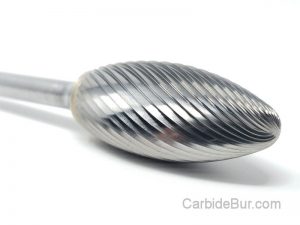
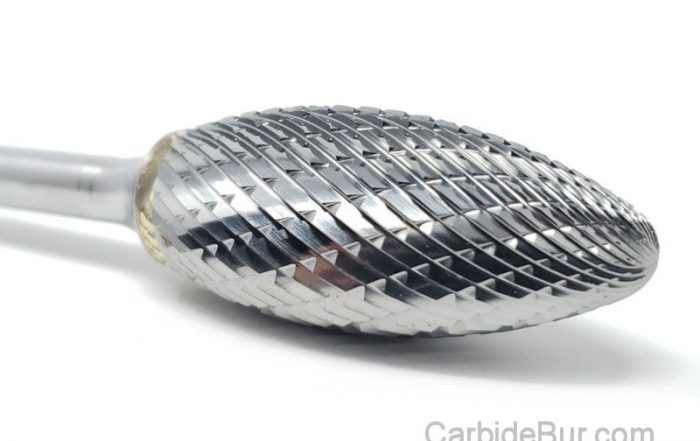
Flame burrs are like the Swiss army knife of carbide burrs. They provide versatility for many tasks. Their design allows you to reach into tight spaces and create smooth curves. This makes them ideal for precise work where detail is key.
When using a flame burr, you’ll find it excels at metal and wood carvings. Its slender shape helps in achieving fine detailing, offering a level of control that’s unmatched. It’s a must-have for any machinist or craftsman looking to achieve intricate designs.
Ball Burr Versatility
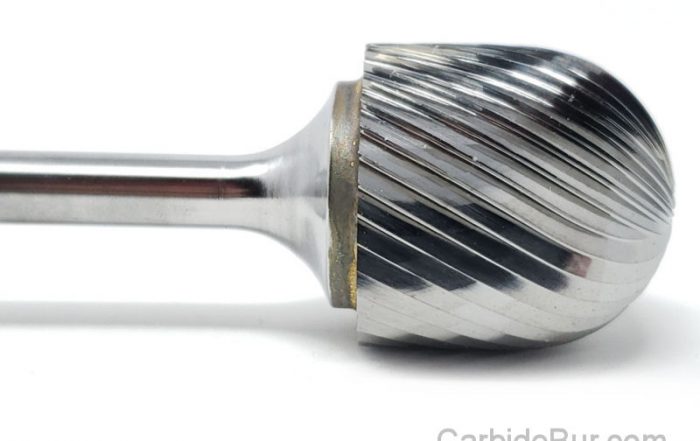
Ball burrs bring flexibility to your toolbox. Their spherical shape is perfect for complex contours and hollowing out areas. You can easily create smooth surfaces without leaving harsh edges.
These burrs are particularly effective in metalworking and woodworking. Their ability to operate at different angles ensures that they can handle tasks from smoothing to carving intricate grooves. Ball burrs are your go-to for projects requiring a seamless finish.
Cone Burr Functions
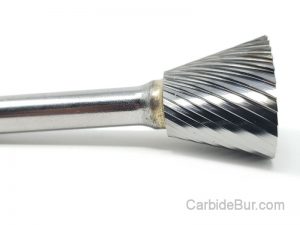
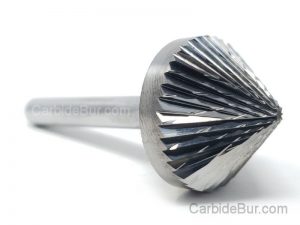
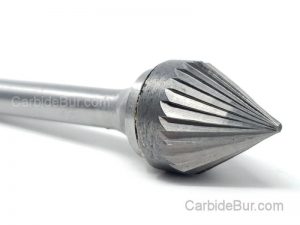
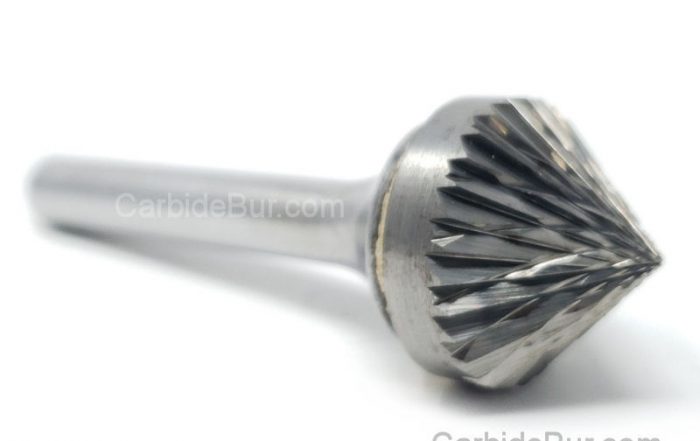
Cones are great for shaping and finishing. Their tapering design lets you work on both internal and external contours. They’re especially handy for deburring and enlarging holes.
In industries like automotive and aerospace, cone burrs shine bright. They allow for precise shaping and can be used to refine surfaces with a high degree of accuracy. If your project involves tight tolerances, a cone burr is indispensable.
Exploring Burr Applications
Delving into the applications of these burrs helps you understand their true value. From industrial uses to artistic endeavors, each burr type holds its own in various settings.
Industrial Machining Uses
Industrial applications for carbide burrs are vast. These tools are vital in creating precise parts with high efficiency. Whether it’s deburring metal or smoothing welds, these burrs speed up production.
Industries like manufacturing and construction rely heavily on carbide burrs. They’re used to enhance product quality and reduce time spent on manual labor. For any industrial machinist, these tools are non-negotiable for optimal output.
Craftsmanship and Artistry
In the realm of craftsmanship, burrs play a key role in bringing visions to life. They assist artists and craftsmen in achieving detailed, intricate designs. The ability to sculpt and shape with precision elevates any piece of art.
Artisans often use these burrs in sculpture and jewelry making. Their capability to carve out minute details allows for creative freedom. With the right burr, you can craft masterpieces that captivate and inspire.
Precision Machining Benefits
The benefits of precision machining extend beyond just the final product. It enhances workflow, reduces material waste, and improves accuracy. This level of detail is crucial in high-stakes industries.
In sectors like aerospace and medical devices, precision machining ensures parts meet exact specifications. Investing in quality burrs translates to higher reliability and performance in these critical fields.
Selecting the Right Tool for Your Project
Choosing the right tool is a critical step in project success. By focusing on the task at hand and the materials involved, you can ensure the best results.
Factors in Tool Selection
Several factors influence your choice of burr. Consider the material you’re working with, the required finish, and the burr’s compatibility with your tool. These elements guide you in making the right decision.
For instance, hardened materials require a different approach than softer ones. Understanding these nuances allows you to select a burr that matches your needs, ensuring efficiency and precision.
Matching Burrs to Materials
Matching your burr to the material is crucial for achieving desired outcomes. Different materials require different burr shapes and sizes. This alignment ensures you get the most out of your tools.
Materials like aluminum and steel each behave differently under certain burrs. Choose wisely to avoid unnecessary wear and tear on both your burr and the workpiece. This careful selection enhances longevity and effectiveness.
Enhancing Work Quality
Quality work starts with the right tools. By investing time in selecting the right burr, you set the stage for superior craftsmanship. This choice impacts the integrity and finish of your work.
High-quality burrs ensure smooth, precise cuts. They help in maintaining the structural integrity of your project. Remember, the better the tool, the better the result.
Mastering Shaping, Grinding, and Finishing
Mastery comes with understanding. To excel in shaping, grinding, and finishing, focus on technique and tool selection.
Techniques for Effective Shaping
Effective shaping requires skill and the right approach. Start with a clear vision of your desired outcome. Use the burr that best fits your project’s needs.
Shaping is all about control and finesse. Practice with different burrs to find the ones that allow you to express your craft fully. This builds confidence and skill over time.
Grinding for Precision
Precision in grinding is crucial. It determines the quality of the finish and the accuracy of the cuts. Take your time to choose the burr that aligns with your project’s demands.
When grinding, aim for consistent, even pressure. This ensures a uniform finish and reduces the risk of mistakes. Precision is the hallmark of a skilled craftsman.
Finishing Touches and Detailing
Finishing is where your project comes to life. It’s the final step that adds polish and professionalism. Select a burr that allows you to refine details effectively.
Pay attention to texture and smoothness. These aspects influence the overall aesthetic and functionality of your piece. A well-finished product speaks volumes about your expertise.
Advantages of Knowledgeable Tool Selection
Knowing your tools inside and out gives you a competitive edge. It improves your project outcomes and boosts your workflow efficiency.
Improving Project Outcomes
The right tools make a significant difference in project outcomes. They enhance quality and reduce errors, leading to superior results.
Projects that are well-executed stand out and meet expectations. Knowledgeable tool selection is the foundation of success in any crafting endeavor.
Boosting Efficiency in Work
Efficiency is key in any project. With the right tools, you can streamline processes and maximize productivity. This leads to quicker turnaround times and better use of resources.
An efficient workflow minimizes downtime and waste. It allows you to focus on delivering exceptional work, solidifying your reputation as a skilled professional.
Building Confidence with the Right Tools
Confidence grows when you’re well-equipped. The right tools empower you to tackle any project with assurance and precision.
Being confident in your tools fosters innovation and creativity. It encourages you to push boundaries and explore new possibilities in your craft.
Looking for Carbide Bur Tools?
Check out our entire selection of USA made carbide bur die grinder tool bits
Follow us on Twitter

Return to CarbideBur.com
Carbide Burs – 1/4″ on 1/8″ Shanks – Accessories – Aluminum Cut – Bur Sets – End Mills – Long Shank – Solid Burs
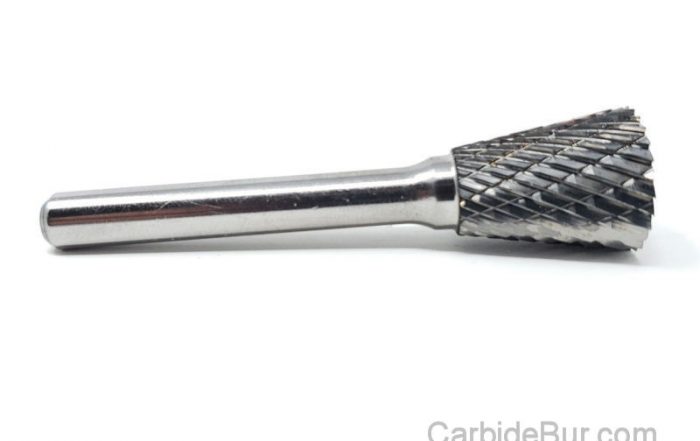
Carbide Burrs for Removing Rust: What Works Best?
Carbide Burrs for Removing Rust: What Works Best? Rust can turn your favorite tools into useless junk faster than you expect. Removing it without ruining the metal underneath takes more than just elbow grease—it demands [...]
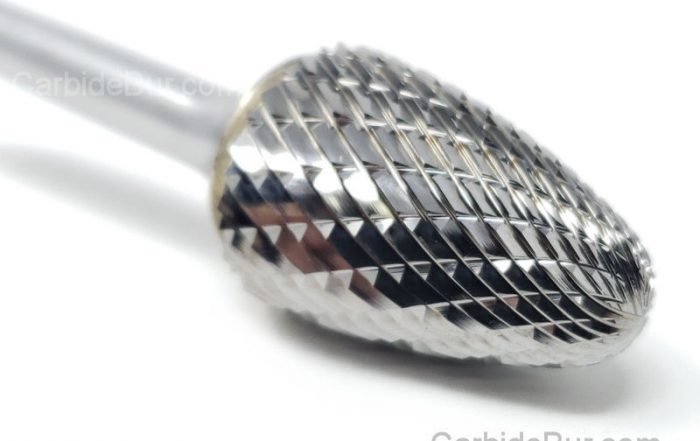
How Much Pressure Should You Use With a Carbide Burr?
How Much Pressure Should You Use With a Carbide Burr? Most people think pressing harder with a carbide burr speeds up the job. That’s not true—too much pressure wears out your tool and ruins the [...]
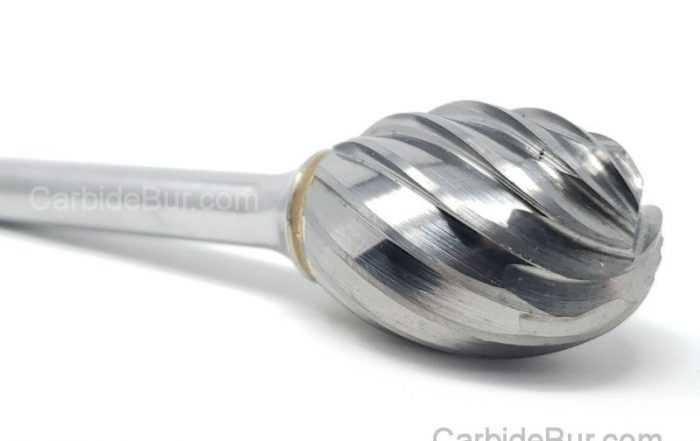
Can You Use Carbide Burrs With an Air Die Grinder?
Can You Use Carbide Burrs With an Air Die Grinder? Most people don’t realize how well carbide burrs work with air die grinders until they try them. If you’ve ever struggled with finding the right [...]
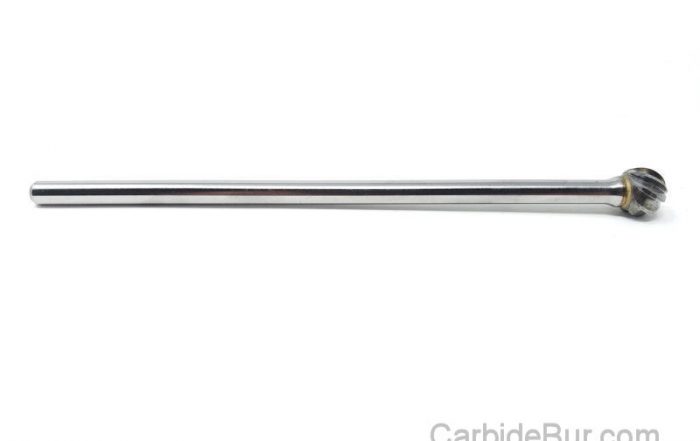
Best Long Reach Carbide Burr for Deep Metal Work
Best Long Reach Carbide Burr for Deep Metal Work Long reach carbide burrs often promise deep metal access, but many fall short where it counts most. You need a tool that cuts cleanly, lasts through [...]
What RPM Should You Use for a 1/8 Inch Carbide Burr?
What RPM Should You Use for a 1/8 Inch Carbide Burr? Most people guess the right carbide burr RPM by feel—and waste hours redoing work. If you want cleaner cuts and longer tool life, your [...]
Carbide Burrs for Tight Spaces: Choosing the Right Shape
Carbide Burrs for Tight Spaces: Choosing the Right Shape Tackling tight spaces with the wrong carbide burrs wastes time and risks damaging your work. Choosing the right burr shape makes all the difference when working [...]
Can Carbide Burrs Remove Paint From Metal?
Can Carbide Burrs Remove Paint From Metal? Stripping paint from metal often feels like a tough chore that risks damaging the surface underneath. Many turn to carbide burrs hoping they can speed things up without [...]
How to Grind a Groove in Metal With a Carbide Burr
How to Grind a Groove in Metal With a Carbide Burr Most metalworkers struggle to cut clean grooves without wasting time or ruining their workpiece. Many try different metalworking tools but end up with uneven [...]
Can Carbide Burrs Cut Through Welds?
Can Carbide Burrs Cut Through Welds? Cutting through welds can feel like a battle, especially when you need clean results without harming the base metal. Carbide burrs offer a sharp edge in this fight, but [...]
How to Use a Carbide Burr With a Die Grinder
How to Use a Carbide Burr With a Die Grinder Most people treat a carbide burr like just another tool, but using it with a die grinder takes skill. If you’ve struggled with burr installation [...]
1/8 vs 1/4 Inch Carbide Burrs: What’s the Difference?
1/8 vs 1/4 Inch Carbide Burrs: What's the Difference? Choosing between a 1/8 inch carbide burr and a 1/4 inch carbide burr can change how your project turns out. Many machinists and hobbyists overlook how [...]

Best Carbide Burr for Removing Flash From Castings
Best Carbide Burr for Removing Flash From Castings Removing flash from castings is a task that can slow down your entire metalworking process if you don’t have the right tools. Picking the best carbide burr [...]
