
DIY Aluminum Projects: Enhance Your Skills with Cutting Tools for Aluminum
You’ve tried cutting aluminum with the wrong burrs and ended up with rough edges and wasted time. Using the right aluminum cutting burrs changes everything, making shaping and finishing smoother and faster. This guide walks you through choosing the best aluminum burrs and shares metalworking tips that help your DIY aluminum projects look sharp and professional. Ready to get your cuts right the first time? Check out this carbide burrs for aluminum guide.
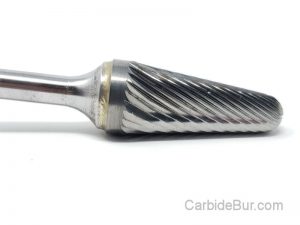
Have you tried using carbide burr tools for your job?
Understanding Aluminum Cutting Burrs
Let’s dive into the world of aluminum cutting burrs, which are crucial tools for metalworking enthusiasts and professionals. By learning about their properties and benefits, you’ll be equipped to achieve smooth and precise cuts.
Properties of Aluminum Burrs
Aluminum burrs are designed specifically for working with this lightweight metal. They feature unique cutting edges that prevent clogging, a common issue when dealing with aluminum. These burrs often have wide flutes to ensure efficient chip removal, enhancing performance. A proper understanding of these properties is key to selecting the right tool for your projects.
The right aluminum burr can make a significant difference in your metalworking tasks. It ensures that you get clean edges without overheating the metal. This means less time spent on finishing and more on creating. Explore various burr options on Amazon to find what suits your needs.
Benefits of Using Aluminum Burrs
Using aluminum burrs provides numerous advantages. They help in achieving smooth cuts, which reduces the need for additional finishing work. This saves time and resources. Aluminum burrs are also durable, meaning they maintain their sharpness and effectiveness over many uses. This reliability makes them a staple in any metalworker’s toolkit.
One of the most significant benefits is the precision that these burrs offer. With the right tool, you can create intricate designs and detailed work without hassle. This precision enhances the overall quality of your finished product, making it look professional. Discover more about choosing and using these burrs in this comprehensive guide.
Choosing the Best Aluminum Burrs
Once you understand the properties and benefits, selecting the best aluminum burrs becomes straightforward. Let’s look into the different types available and how to choose the right one for your specific needs.
Types of Aluminum Burrs
Aluminum burrs come in various shapes and sizes, each serving a distinct purpose. The most common types include cylindrical, ball-shaped, and flame burrs. Each type is suited for different tasks. For example, cylindrical burrs are perfect for surface work, while ball-shaped burrs excel in contouring and shaping.
Selecting the right type depends on the specifics of your project. If your work involves detailed shaping, a flame burr might be your best bet. Understanding these differences will help you make informed choices for your projects. Check out this YouTube video for a visual guide on choosing the right burr.
Burr Selection Guide
Choosing the right burr goes beyond knowing the types. It’s essential to consider the material of your workpiece and the desired finish. For aluminum, burrs with fewer flutes are often recommended to prevent clogging. Assessing your project needs will guide you to the perfect burr.
Think about the end result you want. If you’re aiming for a polished finish, select a burr designed for smoother edges. Pay attention to durability and compatibility with your tools. This Reddit thread offers insights from fellow metalworkers on their preferred choices.

Metalworking Tips for Aluminum Machining
With the right burr in hand, optimizing your metalworking techniques is the next step. Here are some tips focused on improving your cutting and shaping precision.
Enhancing Cutting Efficiency
Efficiency in cutting aluminum starts with the right speed and pressure. Using moderate speed prevents overheating and reduces the risk of tool wear. Proper cooling techniques, like using a lubricant, can also prolong the life of your burrs and improve cut quality.
Keeping your workspace clean is vital. Regularly clearing chips and debris prevents them from hindering your work, maintaining a smooth process. Consistent practice and attention to detail will enhance your cutting efficiency over time.
Techniques for Precision Shaping
Precision in shaping is crucial for achieving high-quality results. Start by marking your workpiece clearly. This serves as a guide and ensures accuracy. Use steady, controlled movements when shaping to prevent slips and errors.
Don’t rush the process. Taking your time allows you to correct mistakes early and achieve the desired outcome. Practicing these techniques will improve your skill and confidence in handling aluminum. Always aim for continuous improvement in your craft.
DIY Aluminum Projects Made Easy
Armed with the right tools and techniques, it’s time to explore exciting DIY projects. Let’s look at essential tools and inspiring project ideas to fuel your creativity.
Essential Cutting Tools for Aluminum
To tackle aluminum projects, having the right cutting tools is essential. Besides burrs, you’ll need saws, grinders, and files designed for aluminum. These tools help in achieving precise cuts and smooth finishes, essential for quality work.
Investing in quality tools ensures durability and better performance. This means less time spent on adjustments and more on actual creating. Evaluate the tools available and choose those that best fit your project needs.
Project Ideas for Enthusiasts
Ready to start a project? Here are some ideas to inspire you:
-
Custom Shelving: Create unique, sturdy shelves for your home.
-
Garden Sculptures: Design intricate pieces to enhance your garden’s look.
-
Decorative Panels: Craft beautiful panels for interior or exterior use.
Each project allows you to apply your skills and creativity in metalworking. Remember to start small, gradually taking on more complex tasks as your confidence grows.
Maximizing Performance in Metalworking
To consistently achieve great results, maintaining your tools and following safety measures is crucial. Let’s explore how to keep your burrs in top shape and ensure safe usage.
Maintenance of Aluminum Burrs
Regular maintenance of your burrs ensures longevity and performance. Clean them after each use to remove debris and prevent wear. Inspect the edges for dullness, and sharpen them as needed to maintain efficiency.
Storing your burrs properly also prolongs their lifespan. Keep them in a dry, organized space to avoid damage. Regular checks and care will maximize their potential and keep your projects running smoothly.
Safety Tips for Burr Usage
Safety should always be a priority in metalworking. Wear protective gear such as gloves and goggles to shield yourself from metal chips. Ensure your workspace is well-lit and organized to prevent accidents.
Always follow the manufacturer’s guidelines for tool usage. This ensures safe operation and optimal performance. By being cautious and prepared, you can enjoy a safe and productive metalworking experience.
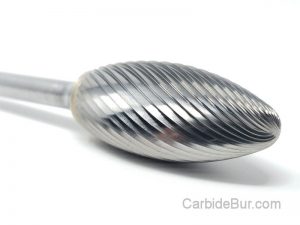
Looking for Carbide Bur Tools?
Check out our entire selection of USA made carbide bur die grinder tool bits
Follow us on Twitter

Return to CarbideBur.com
Carbide Burs – 1/4″ on 1/8″ Shanks – Accessories – Aluminum Cut – Bur Sets – End Mills – Long Shank – Solid Burs
Can You Use Carbide Burrs in a Dremel? Shank Sizes Explained
Can You Use Carbide Burrs in a Dremel? Shank Sizes Explained If you use a Dremel or another rotary tool for detail work, metal shaping, or small fabrication projects, you may wonder whether you can [...]
How to Choose the Best Carbide Burr for Welding and Metal Fabrication
How to Choose the Best Carbide Burr for Welding and Metal Fabrication Welding and metal fabrication often require more than joining two pieces of metal together. Once the welding is finished, fabricators frequently need to [...]
Carbide Burrs for Cylinder Heads: What Automotive Enthusiasts Need to Know
Carbide Burrs for Cylinder Heads: What Automotive Enthusiasts Need to Know Cylinder head work is an important part of engine building, restoration, and performance machining. Whether you are cleaning up casting imperfections, refining port surfaces, [...]
Engine Porting 101: How Carbide Burrs Help Shape Cylinder Head Ports
Engine Porting 101: How Carbide Burrs Help Shape Cylinder Head Ports Engine performance enthusiasts, automotive machinists, and engine builders often look for ways to improve airflow through an engine's cylinder heads. One technique used in [...]
When to Use a 4-Inch or 9-Inch Die Grinder Extension
When to Use a 4-Inch or 9-Inch Die Grinder Extension Metal fabrication, welding, automotive repair, and engine building often require working in places where a standard die grinder and carbide burr cannot easily reach. Recessed [...]
Why Buy USA-Made Carbide Burr Tools? What Buyers Should Compare
Why Buy USA-Made Carbide Burr Tools? What Buyers Should Compare When shopping for carbide burr tools, it's tempting to compare products based on price alone. However, professionals who use rotary cutting tools for welding, metal [...]
How to Use 1/8-Inch Rotary Bits with a Die Grinder
How to Use 1/8-Inch Rotary Bits with a Die Grinder Die grinders are popular tools for metalworking, fabrication, deburring, and precision material removal. However, many die grinders use a 1/4-inch collet, while smaller rotary tools [...]

Can You Use a Carbide Burr With an Electric Die Grinder?
Can You Use a Carbide Burr With an Electric Die Grinder? Most people don’t realize how much a carbide burr can change the way an electric die grinder works. Using the right burr type can [...]
How to Deburr Holes With a Carbide Burr
How to Deburr Holes With a Carbide Burr Most people think any tool will do for deburring holes. The truth is, using the right carbide burr with the correct size and shape changes everything. In [...]
How to Choose the Correct Carbide Burr Shank Size
How to Choose the Correct Carbide Burr Shank Size Many machinists lose hours troubleshooting tool issues caused by the wrong carbide burr shank size. Using a shank that doesn’t fit your grinder can lead to [...]
How to Remove Casting Flash With a Carbide Burr
How to Remove Casting Flash With a Carbide Burr Casting flash ruins the look and fit of your metal parts. You’ve tried sanding or grinding, but the results aren’t clean or fast enough. Learning how [...]
Best Carbide Burr for Enlarging a Hole in Metal
Best Carbide Burr for Enlarging a Hole in Metal When you need to enlarge a hole in metal, grabbing the wrong carbide burr can turn a simple task into a frustrating mess. Picking the best [...]
