
Power Tool Safety 101: Protect Yourself While Using Die Grinders
Most people underestimate the risks of die grinder safety until an accident happens. You might think a quick job won’t cause harm, but missing key grinding tool safety tips can lead to serious injuries. This guide covers essential power tool safety and the right personal protective equipment to keep you safe every time you use a die grinder. For more detailed information, you can visit this link.
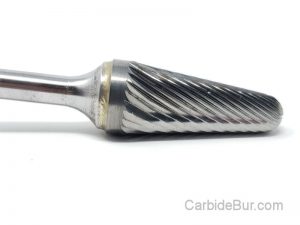
Have you tried using carbide burr tools for your job?
Understanding Die Grinders
Before diving into safety, it’s crucial to understand what die grinders are and how they function. These versatile tools can be your best ally or a potential hazard.
What Are Die Grinders?
Die grinders are handheld power tools used for grinding, sanding, honing, or polishing materials. They are generally powered by electric, pneumatic, or battery sources. Their compact design makes them perfect for intricate jobs where precision matters. With a high-speed rotation, they can handle various tasks but require careful handling.
Common Uses of Die Grinders
You might find die grinders in auto repair shops or metalworking facilities. They are perfect for smoothing out rough edges, removing rust, or shaping materials. Whether you’re smoothing welds or detailing woodwork, their applications are diverse. However, each task requires a specific attachment, so make sure you select the right one for your job.
Types of Die Grinders
Die grinders come in different styles to suit your specific needs. Straight grinders are common for general tasks. Right-angle grinders allow you to reach tight spaces easily. Pneumatic versions are lighter, making them ideal for long-duration tasks. Electric grinders offer more power, suitable for heavy-duty applications. Choose based on your task requirements and personal preferences.
Essential Power Tool Safety Tips
Now that you know what die grinders can do, let’s focus on staying safe while using them. Following basic safety rules can prevent accidents and injuries.
Importance of Power Tool Safety
Power tool safety is not just a guideline, it’s a necessity. Each year, thousands suffer injuries due to improper tool handling. By following safety measures, you protect yourself and those around you. It’s not just about wearing the right gear; understanding how to use the tools properly is equally important.
Basic Safety Practices
Start every job by inspecting your tools. Look for any visible damage or wear and tear. Always read the manufacturer’s manual before using any power tool. Ensure you are familiar with its features and safety mechanisms. Keep your workspace tidy to avoid tripping hazards and distractions.
Workplace Safety Guidelines
Your work environment plays a significant role in safety. Ensure your area is well-lit and free of obstructions. Always keep a fire extinguisher nearby when working with tools that generate heat. Regularly review safety protocols with your team, if applicable. This not only reduces risks but also reinforces a culture of safety.
Die Grinder Safety Tips
With the basics covered, let’s delve into specific measures for using die grinders safely. Proper preparation is key to avoiding accidents.

Personal Protective Equipment (PPE) for Grinders
Protective gear is your first line of defense. Always wear safety glasses to shield your eyes from flying debris. Use ear protection to guard against prolonged noise exposure. Gloves can provide a better grip and protect your hands from cuts. For a full list of recommended gear, check out this guide.
Proper Handling Techniques
Handling your die grinder with care prevents mishaps. Always start with a firm grip on the tool. Apply constant pressure, but don’t force the tool into the workpiece. Let the grinder do the cutting to avoid kickback. Make sure your stance is stable before turning on the tool.
Grinding Tool Safety Tips
When grinding, ensure the attachment is securely fastened. Never use a damaged attachment as it may shatter during use. Keep your hands away from the spinning parts. Always turn off and unplug the tool before changing attachments or performing maintenance. For additional tips, refer to the Power Tool Institute guide.
Maintaining Your Die Grinder
Regular maintenance ensures your tool’s longevity and safety. Proper care can prevent unexpected failures.
Regular Inspection and Maintenance
Routine checks can save you time and money. Inspect your tool for loose parts or frayed cords. Clean any dust or debris that may have accumulated. Lubricate moving parts to keep the tool running smoothly. Always follow the maintenance schedule recommended by the manufacturer.
Troubleshooting Common Issues
Common issues include overheating or unusual noises. If your tool overheats, let it cool down before continuing. For strange sounds, check for loose parts or worn-out attachments. Address issues promptly to avoid larger problems down the road.
Optimizing Grinder Performance
To get the best out of your grinder, use the correct settings for each task. Adjust speed settings according to the material you’re working on. Regular maintenance will also help you maintain optimal performance. A well-maintained tool is not only safer but more efficient.
Creating a Safe Work Environment
A safe work environment is essential for protecting yourself and others. Organize your space and be prepared for emergencies.
Organizing Your Workspace
A tidy workspace minimizes accidents. Keep tools and materials organized and within reach. Ensure pathways are clear of obstructions. This not only enhances safety but increases productivity.
Emergency Preparedness
Being prepared for emergencies can save lives. Familiarize yourself with the location of first aid kits and emergency exits. Conduct regular safety drills to ensure everyone knows how to respond in case of an emergency.
Continuous Safety Education
Safety doesn’t stop with initial training. Stay updated with the latest safety practices and regulations. Encourage regular training sessions for you and your team. Staying informed is the best way to keep safe.
In summary, understanding and applying these safety tips can greatly reduce the risks associated with die grinders. Protect yourself and enhance your productivity by making safety a priority. For more comprehensive tips, you can refer to OSHA’s guidelines.
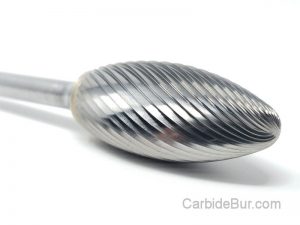
Looking for Carbide Bur Tools?
Check out our entire selection of USA made carbide bur die grinder tool bits
Follow us on Twitter

Return to CarbideBur.com
Carbide Burs – 1/4″ on 1/8″ Shanks – Accessories – Aluminum Cut – Bur Sets – End Mills – Long Shank – Solid Burs
Can You Use Carbide Burrs in a Dremel? Shank Sizes Explained
Can You Use Carbide Burrs in a Dremel? Shank Sizes Explained If you use a Dremel or another rotary tool for detail work, metal shaping, or small fabrication projects, you may wonder whether you can [...]
How to Choose the Best Carbide Burr for Welding and Metal Fabrication
How to Choose the Best Carbide Burr for Welding and Metal Fabrication Welding and metal fabrication often require more than joining two pieces of metal together. Once the welding is finished, fabricators frequently need to [...]
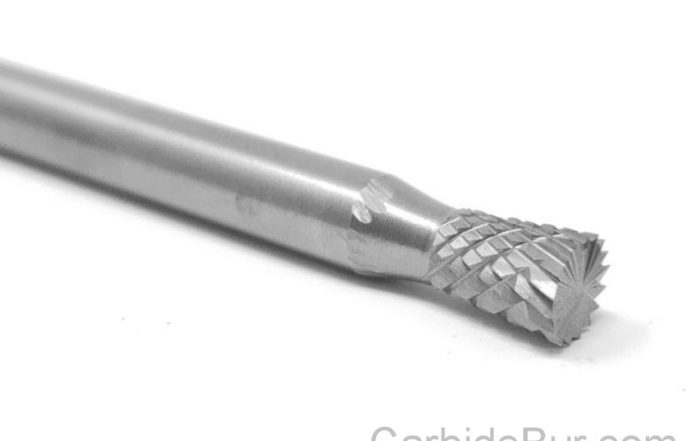
Carbide Burrs for Cylinder Heads: What Automotive Enthusiasts Need to Know
Carbide Burrs for Cylinder Heads: What Automotive Enthusiasts Need to Know Cylinder head work is an important part of engine building, restoration, and performance machining. Whether you are cleaning up casting imperfections, refining port surfaces, [...]
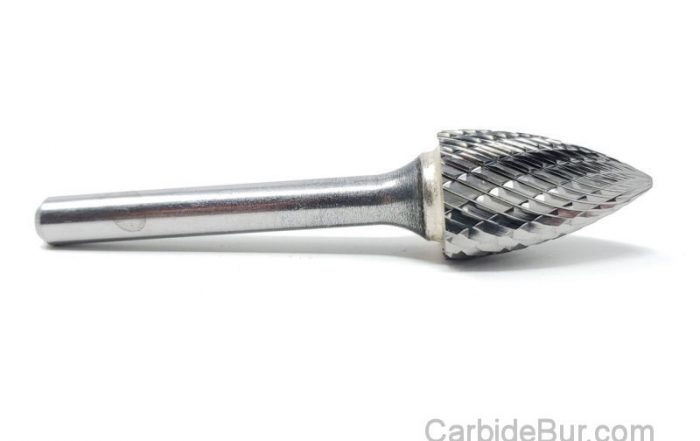
Engine Porting 101: How Carbide Burrs Help Shape Cylinder Head Ports
Engine Porting 101: How Carbide Burrs Help Shape Cylinder Head Ports Engine performance enthusiasts, automotive machinists, and engine builders often look for ways to improve airflow through an engine's cylinder heads. One technique used in [...]
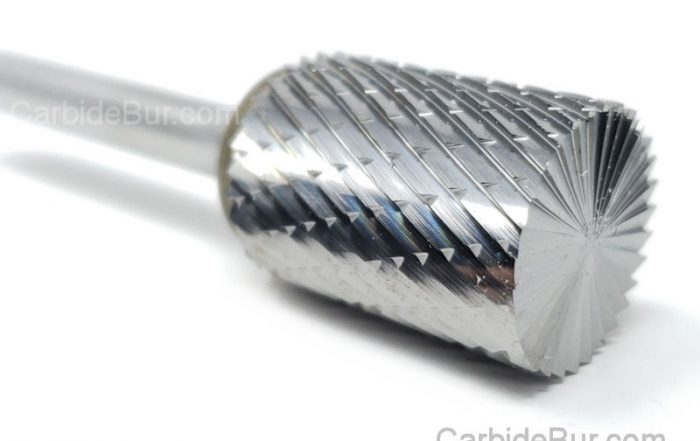
When to Use a 4-Inch or 9-Inch Die Grinder Extension
When to Use a 4-Inch or 9-Inch Die Grinder Extension Metal fabrication, welding, automotive repair, and engine building often require working in places where a standard die grinder and carbide burr cannot easily reach. Recessed [...]
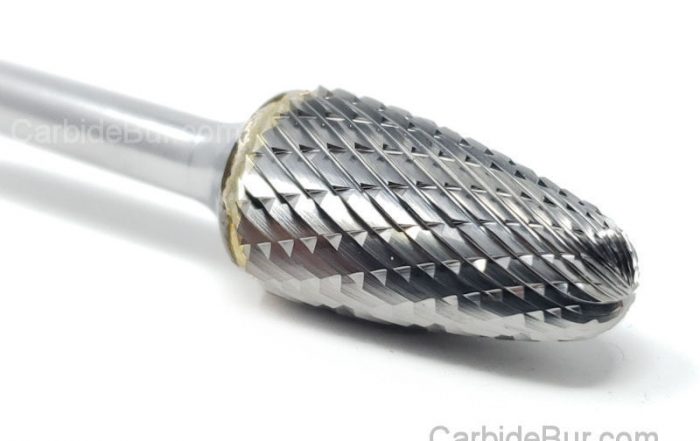
Why Buy USA-Made Carbide Burr Tools? What Buyers Should Compare
Why Buy USA-Made Carbide Burr Tools? What Buyers Should Compare When shopping for carbide burr tools, it's tempting to compare products based on price alone. However, professionals who use rotary cutting tools for welding, metal [...]
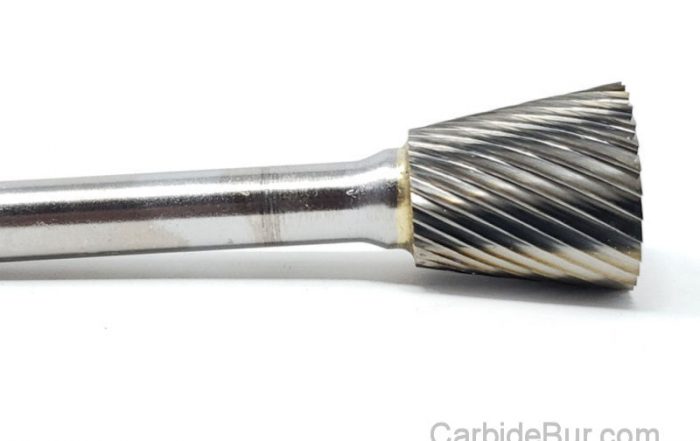
How to Use 1/8-Inch Rotary Bits with a Die Grinder
How to Use 1/8-Inch Rotary Bits with a Die Grinder Die grinders are popular tools for metalworking, fabrication, deburring, and precision material removal. However, many die grinders use a 1/4-inch collet, while smaller rotary tools [...]

Can You Use a Carbide Burr With an Electric Die Grinder?
Can You Use a Carbide Burr With an Electric Die Grinder? Most people don’t realize how much a carbide burr can change the way an electric die grinder works. Using the right burr type can [...]
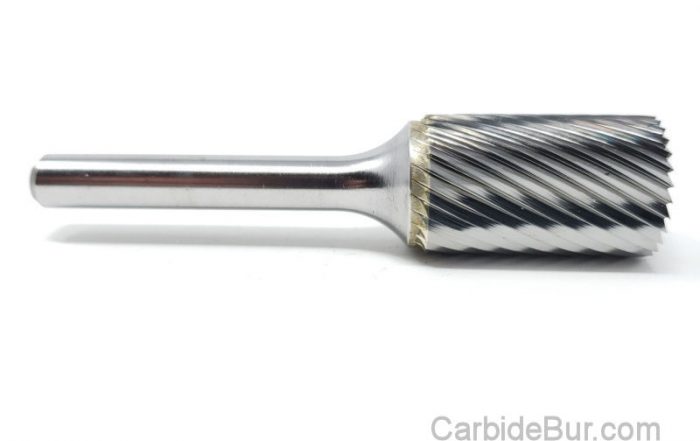
How to Deburr Holes With a Carbide Burr
How to Deburr Holes With a Carbide Burr Most people think any tool will do for deburring holes. The truth is, using the right carbide burr with the correct size and shape changes everything. In [...]
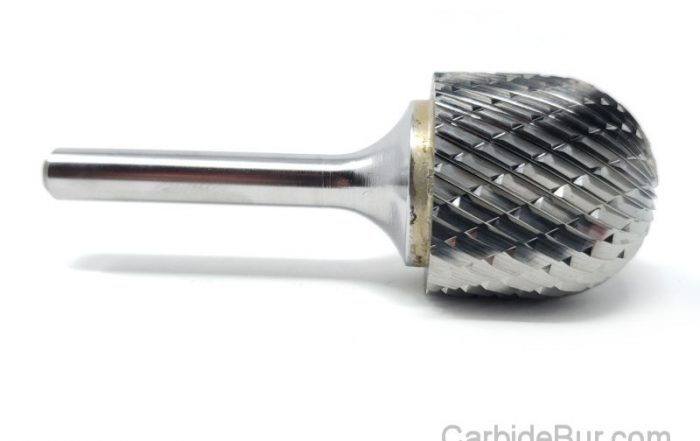
How to Choose the Correct Carbide Burr Shank Size
How to Choose the Correct Carbide Burr Shank Size Many machinists lose hours troubleshooting tool issues caused by the wrong carbide burr shank size. Using a shank that doesn’t fit your grinder can lead to [...]
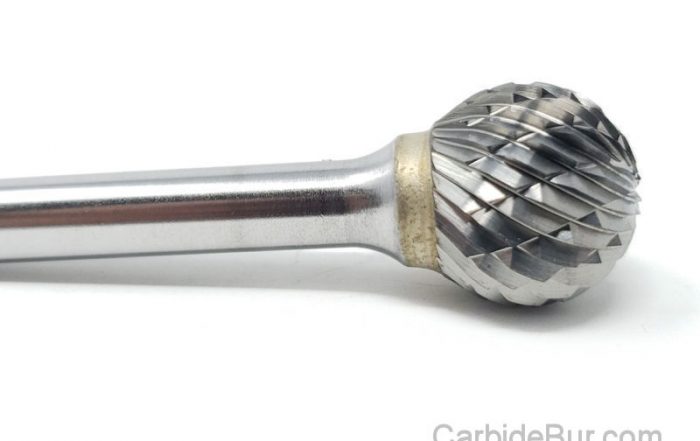
How to Remove Casting Flash With a Carbide Burr
How to Remove Casting Flash With a Carbide Burr Casting flash ruins the look and fit of your metal parts. You’ve tried sanding or grinding, but the results aren’t clean or fast enough. Learning how [...]
Best Carbide Burr for Enlarging a Hole in Metal
Best Carbide Burr for Enlarging a Hole in Metal When you need to enlarge a hole in metal, grabbing the wrong carbide burr can turn a simple task into a frustrating mess. Picking the best [...]
