
DIY Rust Removal Made Easy: Surface Preparation With Carbide Burrs
Rust stuck on your metal projects can ruin hours of work and leave surfaces uneven. You want a way to clean it off without wasting time or damaging your metal. Using carbide burrs for removing rust offers precise control and speeds up surface preparation like no other metalworking tools. In this guide, you’ll learn how to pick the best carbide burrs and get your metal ready for the next step in your project. For more information, check out this comprehensive guide on carbide burrs.
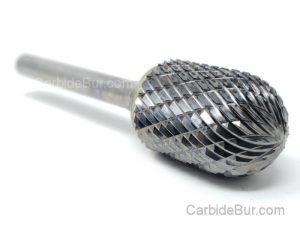
Have you tried our Carbide Burs for your job?
Understanding Carbide Burrs
To tackle rust effectively, it’s crucial to understand the role of carbide burrs in metalworking. These tools provide the precision and control needed for rust removal.
What Are Carbide Burrs?
Carbide burrs are small cutting tools used in metalworking. They’re made of tungsten carbide, which is extremely hard and durable. These tools are designed to cut, shape, and grind metal surfaces. When you use them, you’re handling a tool that can withstand high temperatures and resist wear.
For those new to metalworking, carbide burrs might seem complex. Yet, their design makes them easy to use for both beginners and experts. Whether you’re smoothing edges or removing rust, these tools perform efficiently.
Different Types and Their Uses
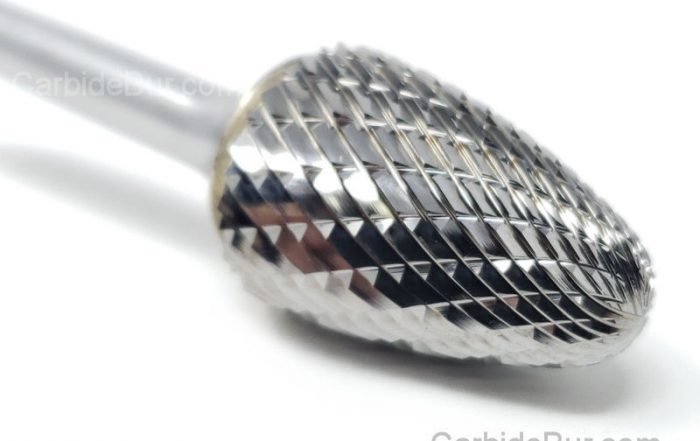
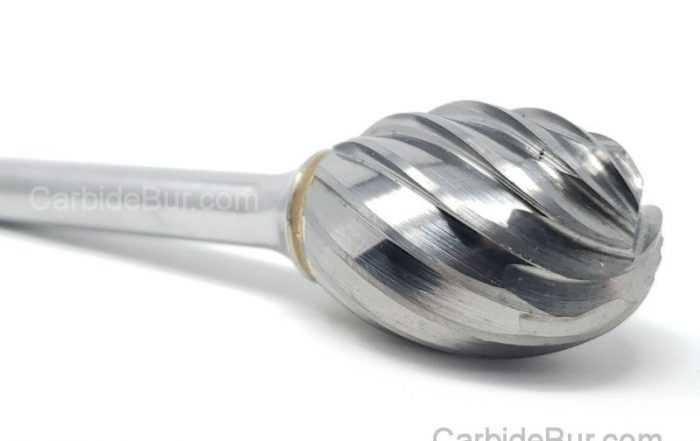
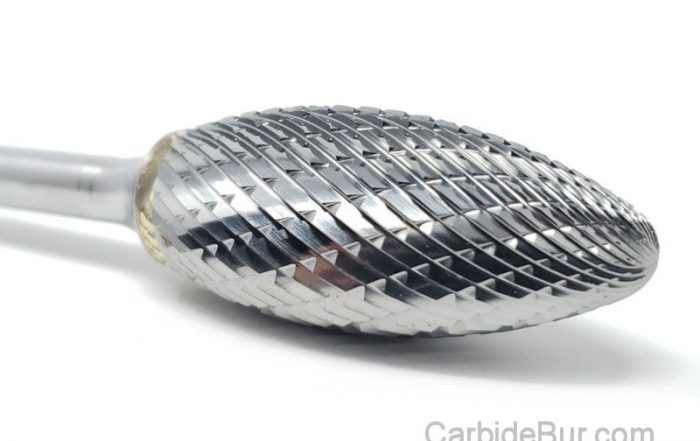
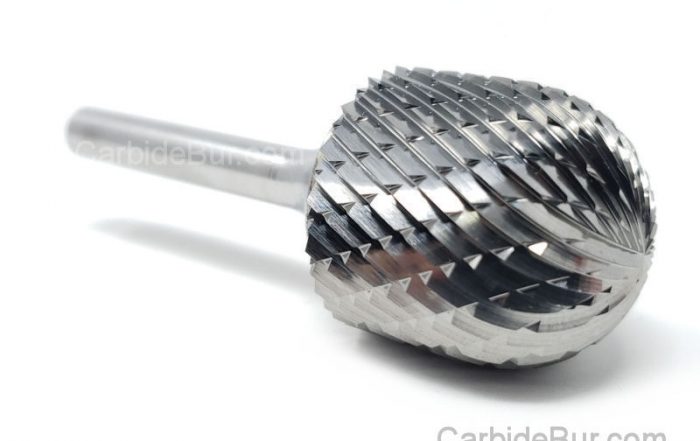
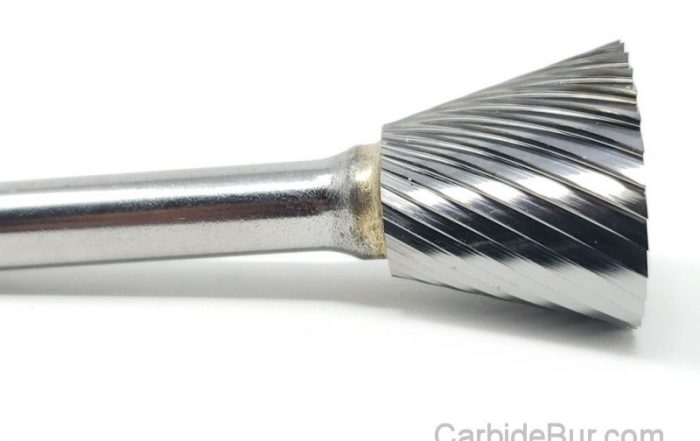
Carbide burrs come in various shapes and sizes, each suited for specific tasks. Cylinder burrs are ideal for flat surfaces, while ball-shaped burrs work well on rounded areas. You can choose from a wide array depending on the metal and the job at hand.
It’s important to match the burr type to your project needs. For instance, if you’re working with stainless steel, a robust burr like the flame-shaped one can make a difference. Understanding these differences ensures you select the right tool for every task.
Selecting the Best Carbide Burrs
Choosing the best carbide burrs means considering your project’s demands. Think about the metal type and the surface area. Not all burrs are created equal, and using the wrong one can lead to unsatisfactory results.
When selecting a burr, look for quality and durability. A well-made burr will last longer and perform better. Prioritize tools that suit the specific metal you’re working with, such as those recommended in this guide to carbide burrs for steel.
Steps for DIY Rust Removal
With a basic understanding of carbide burrs, you’re ready to begin the rust removal process. This section will guide you through the essential steps involved.
Essential Metalworking Tools
Before starting, gather the necessary tools. Apart from carbide burrs, you’ll need a rotary tool, safety gear, and cleaning supplies. Having the right tools simplifies the process.
A rotary tool is vital for operating your carbide burrs. Make sure it’s compatible with the burr size you choose. Additionally, invest in protective eyewear and gloves to keep yourself safe during the process.
Preparing Your Workspace
Setting up a proper workspace is key to successful rust removal. Choose a well-lit, ventilated area to work in. This ensures you can see details clearly and reduces inhalation of any dust particles.
Organize your tools and materials within easy reach. This saves time and helps you focus on the task without interruptions. A tidy workspace contributes to a smoother workflow.
Safety Precautions to Follow
Safety should always be a priority. Start by wearing protective gear like glasses and gloves. This prevents injuries from flying debris and sharp tools.
Be mindful of your surroundings. Keep children and pets away from your work area to avoid accidents. Always follow the manufacturer’s instructions for your tools to maintain safety standards.

Surface Preparation Techniques
Now that your workspace is ready, it’s time to dive into surface preparation. This section covers effective techniques for using carbide burrs.
Effective Use of Carbide Burrs
Using carbide burrs effectively requires a gentle touch. Apply light pressure and let the tool do the work. This approach prevents damage to the metal surface.
Work in small sections, moving the burr smoothly. This ensures an even finish and avoids over-removal of material. Consistent movements lead to better results.
Achieving a Smooth Finish
A smooth finish enhances the overall appearance of your metalwork. Start with a coarse burr to remove rust, then switch to a finer one for a polished look. This two-step process yields the best results.
Don’t rush the finishing touches. Take your time to ensure each section is even. A little patience goes a long way in achieving a professional-grade finish.
Troubleshooting Common Issues
Encountering issues is part of the process. If you notice uneven surfaces, check your burr’s condition. A worn burr won’t perform well, and replacing it might be necessary.
If rust persists, reassess your technique. Adjusting the pressure or angle can make a difference. Don’t hesitate to experiment with different approaches until you find what works best.
Maintaining Your Metalworking Tools
Proper maintenance of your tools ensures their longevity and performance. This section offers tips to keep your tools in top shape.
Cleaning and Storage Tips
After use, clean your carbide burrs thoroughly. Use a brush to remove debris and wipe them down with a clean cloth. Proper cleaning prevents rust buildup on the tools themselves.
Store your tools in a dry, dust-free environment. Organize them neatly to avoid damage. This simple step extends their lifespan and keeps them ready for future projects.
Extending the Life of Carbide Burrs
To extend the life of your carbide burrs, use them correctly. Avoid applying excessive pressure, which can wear them down quickly. Consistent, gentle use preserves their sharpness.
Regularly inspect your burrs for signs of wear. Replace them as needed to maintain optimal performance. A little attention goes a long way in ensuring your tools last.
Routine Maintenance Practices
Routine maintenance is essential for any metalworker. Set a schedule for cleaning and inspecting your tools. This practice keeps them in excellent condition and ready for any project.
Stay proactive with maintenance to avoid unexpected issues. A well-maintained toolset is a reliable companion in your metalworking journey.
Benefits of DIY Rust Removal
Embarking on DIY rust removal offers several benefits. From cost savings to increased craftsmanship, this section highlights the advantages.
Cost-Effective Solutions
DIY rust removal is budget-friendly. Instead of hiring professionals, you can handle the job yourself with the right tools. This approach saves money and empowers you to take control of your projects.
Investing in quality tools like carbide burrs is a one-time expense that pays off in the long run. You’ll have the resources needed for future projects without recurring costs.
Empowering Your Craftsmanship
Taking on rust removal projects yourself enhances your skills. It allows you to experiment and learn new techniques. This hands-on experience builds confidence in your abilities.
As you refine your skills, you’ll find joy in creating and restoring metal pieces. This empowerment fuels your passion for metalworking and encourages you to tackle more challenging projects.
Improving Surface Longevity
Removing rust extends the life of your metal surfaces. By addressing rust early, you prevent further damage and decay. This proactive approach improves the overall durability of your metalwork.
Well-maintained surfaces look better and perform well over time. Protect your investment by taking care of your metal pieces and ensuring they stand the test of time.
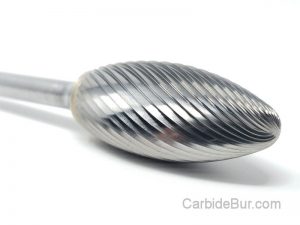
Looking for Carbide Bur Tools?
Check out our entire selection of USA made carbide bur die grinder tool bits
Follow us on Twitter

Return to CarbideBur.com
Carbide Burs – 1/4″ on 1/8″ Shanks – Accessories – Aluminum Cut – Bur Sets – End Mills – Long Shank – Solid Burs
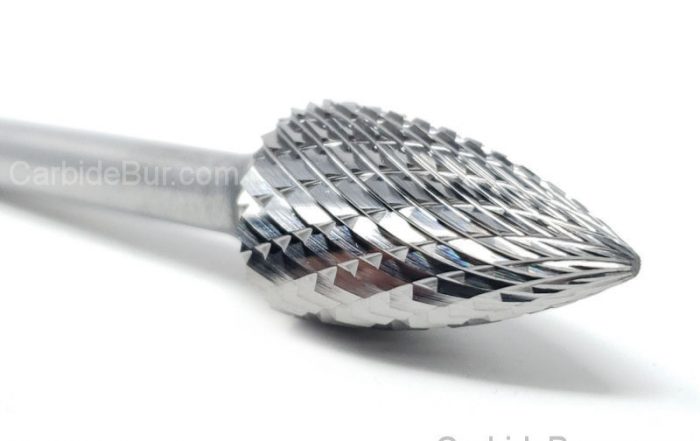
Can You Use a Carbide Burr in a Drill?
Can You Use a Carbide Burr in a Drill? Most people think a standard drill can’t handle a carbide burr, but that’s not true. Using carbide burr in the right drill can speed up your [...]
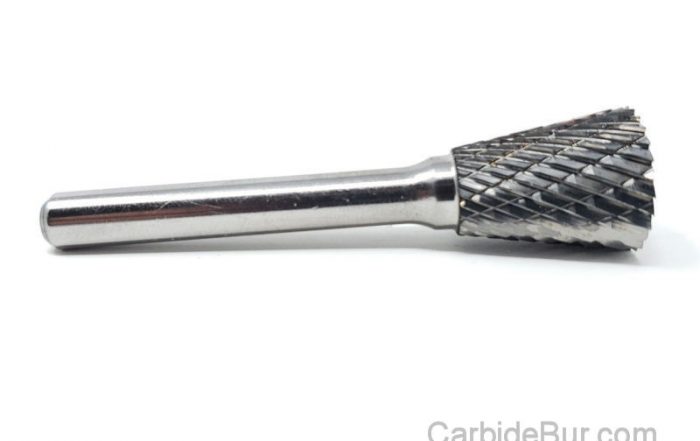
Carbide Burrs for Removing Rust: What Works Best?
Carbide Burrs for Removing Rust: What Works Best? Rust can turn your favorite tools into useless junk faster than you expect. Removing it without ruining the metal underneath takes more than just elbow grease—it demands [...]
How Much Pressure Should You Use With a Carbide Burr?
How Much Pressure Should You Use With a Carbide Burr? Most people think pressing harder with a carbide burr speeds up the job. That’s not true—too much pressure wears out your tool and ruins the [...]
Can You Use Carbide Burrs With an Air Die Grinder?
Can You Use Carbide Burrs With an Air Die Grinder? Most people don’t realize how well carbide burrs work with air die grinders until they try them. If you’ve ever struggled with finding the right [...]
Best Long Reach Carbide Burr for Deep Metal Work
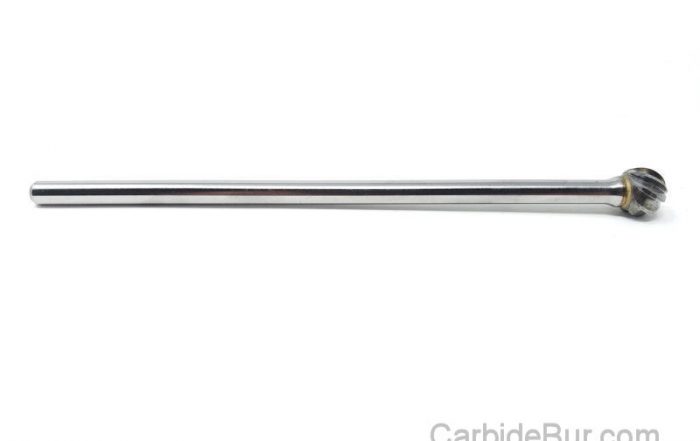
Best Long Reach Carbide Burr for Deep Metal Work Long reach carbide burrs often promise deep metal access, but many fall short where it counts most. You need a tool that cuts cleanly, lasts through [...]
What RPM Should You Use for a 1/8 Inch Carbide Burr?
What RPM Should You Use for a 1/8 Inch Carbide Burr? Most people guess the right carbide burr RPM by feel—and waste hours redoing work. If you want cleaner cuts and longer tool life, your [...]
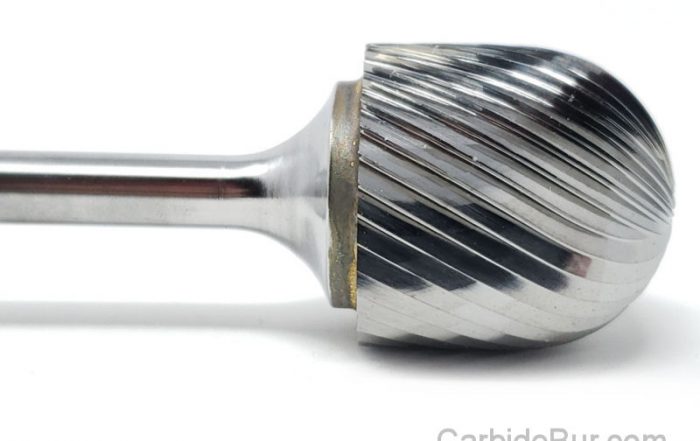
Carbide Burrs for Tight Spaces: Choosing the Right Shape
Carbide Burrs for Tight Spaces: Choosing the Right Shape Tackling tight spaces with the wrong carbide burrs wastes time and risks damaging your work. Choosing the right burr shape makes all the difference when working [...]
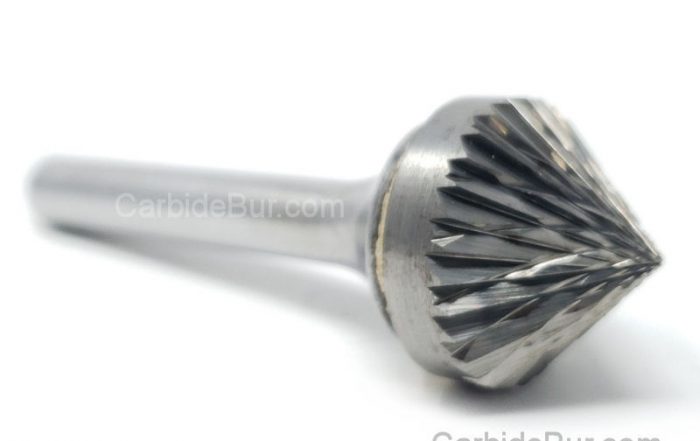
Can Carbide Burrs Remove Paint From Metal?
Can Carbide Burrs Remove Paint From Metal? Stripping paint from metal often feels like a tough chore that risks damaging the surface underneath. Many turn to carbide burrs hoping they can speed things up without [...]
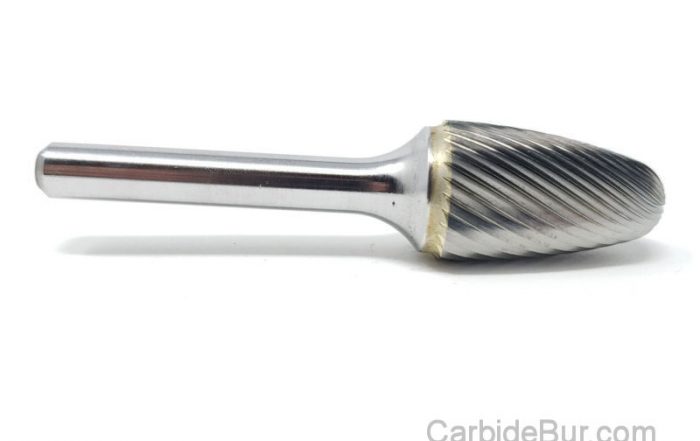
How to Grind a Groove in Metal With a Carbide Burr
How to Grind a Groove in Metal With a Carbide Burr Most metalworkers struggle to cut clean grooves without wasting time or ruining their workpiece. Many try different metalworking tools but end up with uneven [...]
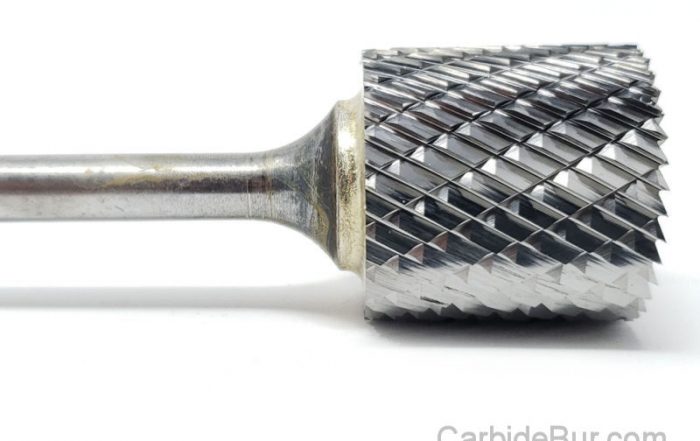
Can Carbide Burrs Cut Through Welds?
Can Carbide Burrs Cut Through Welds? Cutting through welds can feel like a battle, especially when you need clean results without harming the base metal. Carbide burrs offer a sharp edge in this fight, but [...]
How to Use a Carbide Burr With a Die Grinder
How to Use a Carbide Burr With a Die Grinder Most people treat a carbide burr like just another tool, but using it with a die grinder takes skill. If you’ve struggled with burr installation [...]
1/8 vs 1/4 Inch Carbide Burrs: What’s the Difference?
1/8 vs 1/4 Inch Carbide Burrs: What's the Difference? Choosing between a 1/8 inch carbide burr and a 1/4 inch carbide burr can change how your project turns out. Many machinists and hobbyists overlook how [...]
