
Engine Enthusiasts’ Guide to Burr Shapes: Perfecting Aluminum Porting for Improved Airflow
Most people think any burr shape works for aluminum porting. That’s why so many end up battling sticky residue and uneven airflow. Choosing the right burr shapes can make all the difference in machining aluminum and boosting your engine performance. Keep reading to find out which shapes cut through the mess and deliver precise airflow optimization every time. To explore more on this topic, visit this guide.
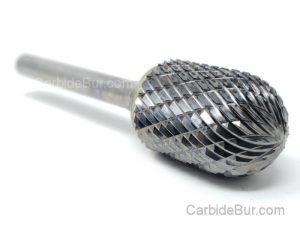
Have you tried our Carbide Burs for your job?
Understanding Aluminum’s Unique Properties
Aluminum is a popular choice in porting because of its unique properties. But understanding these attributes is key to using it effectively.
Lightweight and Malleable Benefits
Aluminum is known for being light. This makes it ideal for engine parts where weight matters. It can be shaped easily, allowing for precise work. When you’re working with it, you can achieve designs that heavier metals can’t easily allow.
Being malleable, aluminum bends and shapes without cracking. This flexibility is a huge plus for creating custom engine parts. You can manipulate it to fit specific needs, ensuring a perfect fit every time. This is why so many choose it for porting work.
Challenges of Machining Aluminum
Despite its benefits, machining aluminum has its challenges. It tends to stick to tools, which can be frustrating. This sticky residue can ruin the finish of your work if not handled correctly.
Another issue is overheating. Aluminum conducts heat well, which sounds good at first, but it can lead to tools getting too hot. This can cause damage and decrease the lifespan of your burrs. Knowing these challenges helps you prepare better for the porting process.
Choosing the Right Burr Shapes
Selecting the right burr shapes is crucial for successful porting. It’s not just about picking any tool but choosing the one that fits your specific needs.
Factors in Flute Design
Flute design plays a big role in how well a burr cuts. The number of flutes affects the cutting speed and finish. A double-cut burr is best for aluminum because it removes material efficiently. It also helps in preventing clogging, keeping your work smooth and clean.
Single-cut burrs are less efficient for aluminum because they can’t handle the material as well. Understanding these differences helps you make the best choice for your projects. The right design can save you time and improve your results significantly.
Importance of Burr Diameter
The diameter of your burr matters more than you might think. A larger diameter covers more area quickly, which is great for big jobs. But it might not be as precise for detailed work.
For intricate porting, a smaller diameter might be more effective. It allows for precise control and detail. Balancing the need for speed with the requirement for accuracy is key. Consider the job at hand and choose the diameter that fits best.
Techniques for Effective Aluminum Porting
Knowing the right techniques can make aluminum porting much easier and more effective. It’s about working smarter, not harder.
Steps for Precision Porting
Precision is crucial in porting. Here’s a simple guide to get you started:
-
Choose the Right Burr: Start with the right burr shape for your task.
-
Set Up Your Workspace: Ensure your area is clean and organized to prevent errors.
-
Slow and Steady: Don’t rush the process. Slow, steady movements ensure precision.
-
Regular Breaks: Take breaks to let tools cool, preventing overheating.
By following these steps, you’ll achieve better results and extend the life of your tools.

Avoiding Sticky Residue
Sticky residue is a common problem when machining aluminum. To avoid this, keep your tools clean. Regularly wipe them down during use. Lubricants can also help prevent buildup.
Using the right burr shape reduces residue. Double-cut burrs are less likely to get clogged. This keeps your work clean and efficient, saving you time and effort.
Enhancing Engine Performance through Porting
Porting isn’t just about making parts fit. It’s about improving performance. Better porting means a better engine.
Impact on Airflow Optimization
When porting is done right, airflow improves significantly. This leads to better engine performance. It’s not just about speed but efficiency. Airflow optimization is key to getting the most out of your engine.
Proper porting ensures that air moves smoothly through the engine. This can increase power and efficiency. Many enthusiasts see noticeable improvements in their vehicle’s performance with well-done porting work.
Boosting Overall Engine Efficiency
Efficiency isn’t just a bonus; it’s a goal. By using the right burr shapes and techniques, you improve not just performance but also fuel efficiency. This means getting more power with less fuel.
A well-ported engine runs smoother and lasts longer. It reduces wear and tear, saving you money in the long run. Investing time in proper porting pays off with a better performing and more efficient engine.
Expert Tips for Engine Enthusiasts
Even experienced enthusiasts can benefit from new tips. Here are some expert insights to improve your porting work.
Common Mistakes to Avoid
Avoiding common mistakes can save you time and frustration. One big mistake is rushing the process. Taking your time ensures precision.
Don’t neglect tool maintenance. Regular cleaning and care extend their life and improve results. Also, choosing the wrong burr size or shape can lead to poor performance. Be sure to match your tools to the task.
Tools for Successful Porting
Having the right tools is half the battle. Invest in quality burrs designed for aluminum. This investment will pay off in performance and longevity.
Consider tools that are specifically rated for aluminum work. They handle the material better and reduce problems like overheating. With the right setup, your porting projects will be smoother and more successful.
Keep these tips in mind as you work on your engine projects. With the right approach, you can achieve amazing results.
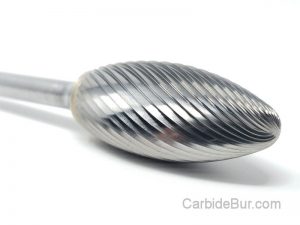
Looking for Carbide Bur Tools?
Check out our entire selection of USA made carbide bur die grinder tool bits
Follow us on Twitter

Return to CarbideBur.com
Carbide Burs – 1/4″ on 1/8″ Shanks – Accessories – Aluminum Cut – Bur Sets – End Mills – Long Shank – Solid Burs
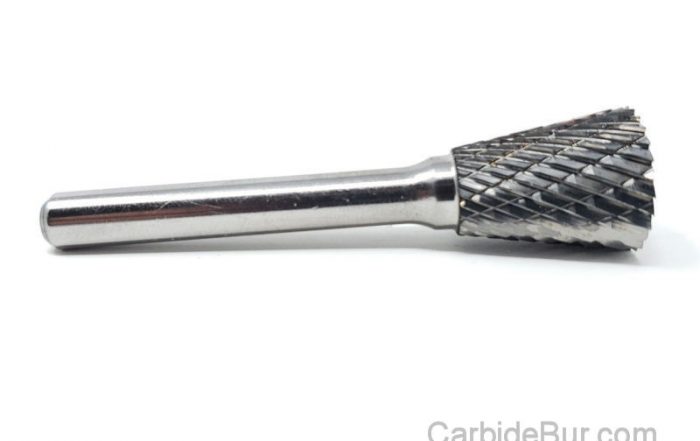
Carbide Burrs for Removing Rust: What Works Best?
Carbide Burrs for Removing Rust: What Works Best? Rust can turn your favorite tools into useless junk faster than you expect. Removing it without ruining the metal underneath takes more than just elbow grease—it demands [...]
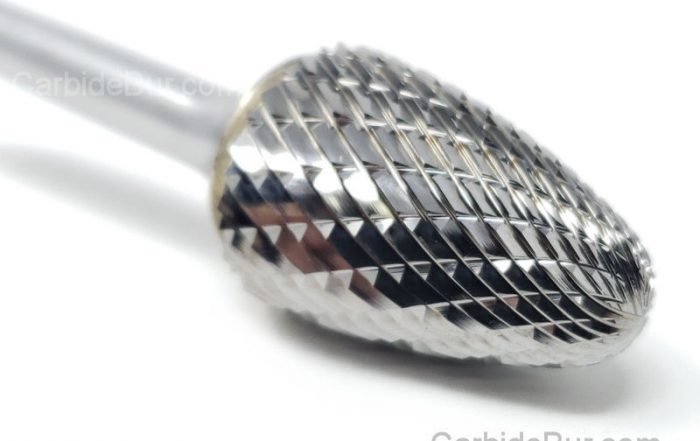
How Much Pressure Should You Use With a Carbide Burr?
How Much Pressure Should You Use With a Carbide Burr? Most people think pressing harder with a carbide burr speeds up the job. That’s not true—too much pressure wears out your tool and ruins the [...]
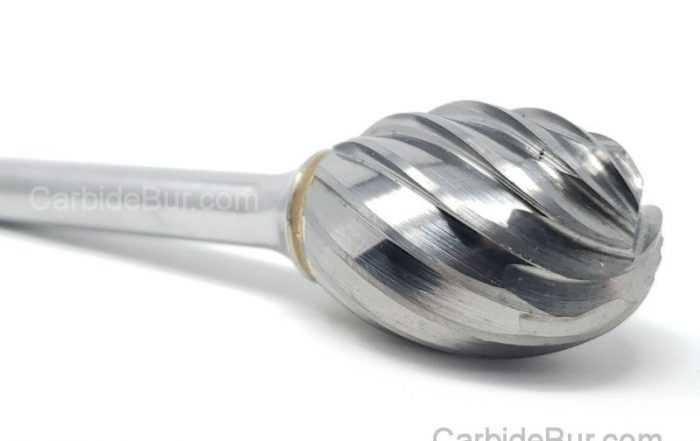
Can You Use Carbide Burrs With an Air Die Grinder?
Can You Use Carbide Burrs With an Air Die Grinder? Most people don’t realize how well carbide burrs work with air die grinders until they try them. If you’ve ever struggled with finding the right [...]
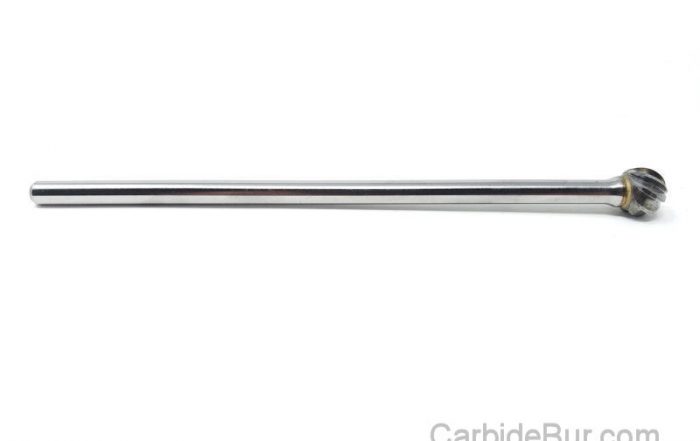
Best Long Reach Carbide Burr for Deep Metal Work
Best Long Reach Carbide Burr for Deep Metal Work Long reach carbide burrs often promise deep metal access, but many fall short where it counts most. You need a tool that cuts cleanly, lasts through [...]
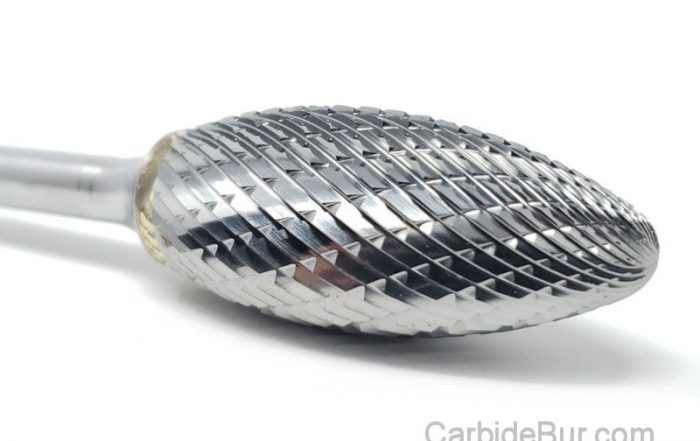
What RPM Should You Use for a 1/8 Inch Carbide Burr?
What RPM Should You Use for a 1/8 Inch Carbide Burr? Most people guess the right carbide burr RPM by feel—and waste hours redoing work. If you want cleaner cuts and longer tool life, your [...]
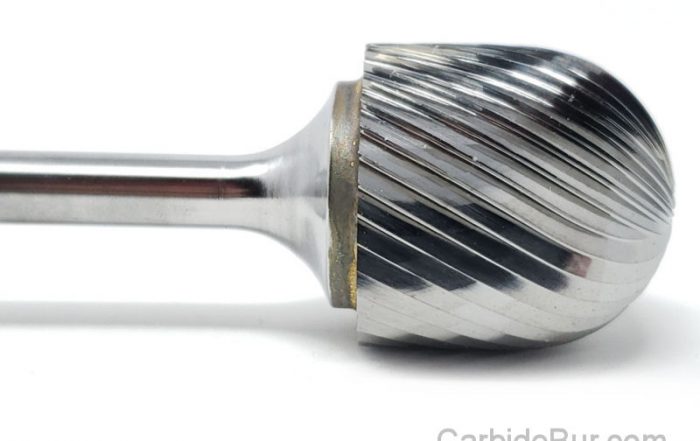
Carbide Burrs for Tight Spaces: Choosing the Right Shape
Carbide Burrs for Tight Spaces: Choosing the Right Shape Tackling tight spaces with the wrong carbide burrs wastes time and risks damaging your work. Choosing the right burr shape makes all the difference when working [...]
Can Carbide Burrs Remove Paint From Metal?
Can Carbide Burrs Remove Paint From Metal? Stripping paint from metal often feels like a tough chore that risks damaging the surface underneath. Many turn to carbide burrs hoping they can speed things up without [...]
How to Grind a Groove in Metal With a Carbide Burr
How to Grind a Groove in Metal With a Carbide Burr Most metalworkers struggle to cut clean grooves without wasting time or ruining their workpiece. Many try different metalworking tools but end up with uneven [...]
Can Carbide Burrs Cut Through Welds?
Can Carbide Burrs Cut Through Welds? Cutting through welds can feel like a battle, especially when you need clean results without harming the base metal. Carbide burrs offer a sharp edge in this fight, but [...]
How to Use a Carbide Burr With a Die Grinder
How to Use a Carbide Burr With a Die Grinder Most people treat a carbide burr like just another tool, but using it with a die grinder takes skill. If you’ve struggled with burr installation [...]
1/8 vs 1/4 Inch Carbide Burrs: What’s the Difference?
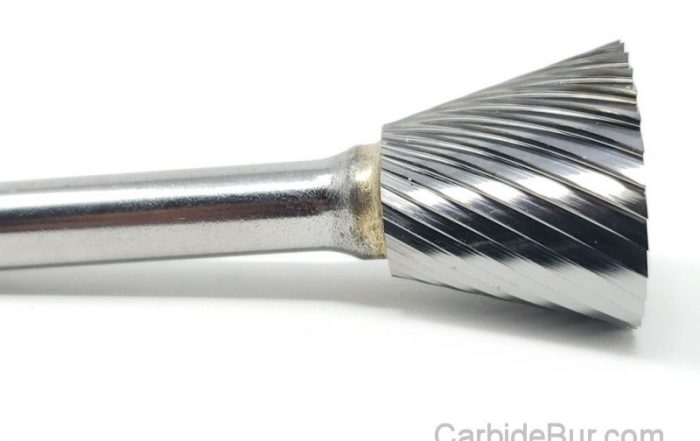
1/8 vs 1/4 Inch Carbide Burrs: What's the Difference? Choosing between a 1/8 inch carbide burr and a 1/4 inch carbide burr can change how your project turns out. Many machinists and hobbyists overlook how [...]
Best Carbide Burr for Removing Flash From Castings
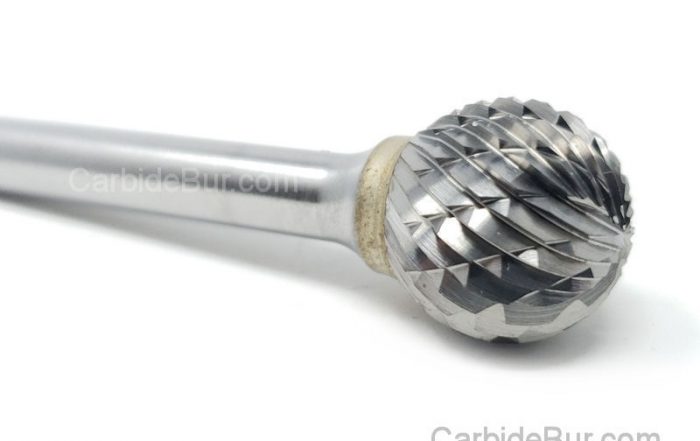
Best Carbide Burr for Removing Flash From Castings Removing flash from castings is a task that can slow down your entire metalworking process if you don’t have the right tools. Picking the best carbide burr [...]
