
Fabrication Tools Spotlight: Comparing Double and Single Cut Burrs
Most fabricators face the same challenge: choosing the right burr for the job. Double cut carbide burrs have outpaced single cut versions in metal shaping tools across industries. You’ll see why these fabrication tools offer better control, faster material removal, and less clogging. This post breaks down the key differences and shows which burr fits your project, whether you’re just starting or a seasoned pro. Learn more about the differences here.
Double Cut vs. Single Cut: What’s the Difference?
Before diving into your project, it’s crucial to understand what sets double cut and single cut burrs apart. This knowledge will help you make informed choices.
Key Features of Double Cut Burrs
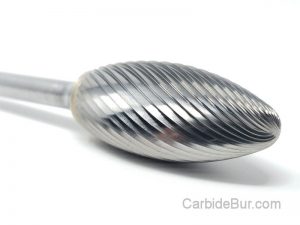
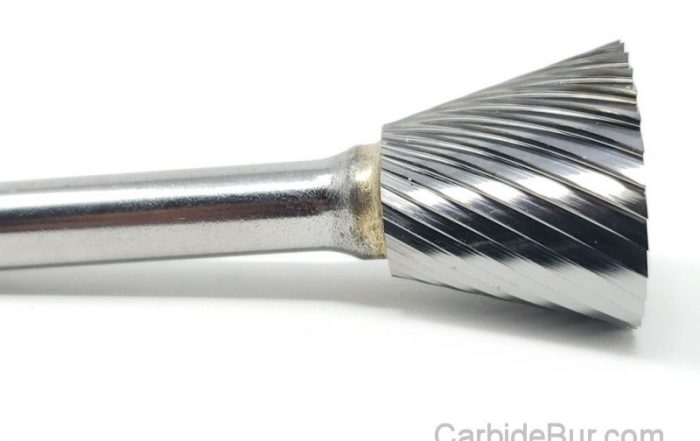
Double cut burrs stand out due to their unique cutting pattern. These burrs feature two sets of cutting edges, set at opposing angles. This design allows for smoother material removal, reducing the need for additional finishing steps. You’ll find that double cut burrs offer a significant reduction in material clogging, which keeps your work area cleaner and your progress uninterrupted. In essence, these burrs save you time and effort, letting you focus on the finer details of your work.
A real-life example shows double cut burrs excelling in cutting through stainless steel without overheating. This makes them an excellent choice for high-pressure tasks. Their ability to handle complex jobs with ease is why many professionals choose them over single cut options.
Single Cut Burrs Explained
Single cut burrs, on the other hand, have a straightforward design. They consist of a single set of cutting edges, which makes them ideal for more aggressive stock removal. When you’re dealing with materials that require a clean, straight cut, single cut burrs shine. They are especially useful for quick roughing or preparing surfaces before welding.
While they might not offer the same level of finish as double cut burrs, single cut options are indispensable in tasks requiring rapid material removal. They cut down on time spent on initial shaping, setting the stage for finer work to follow. For those who need speed over precision, single cut burrs are the way to go.
Comparing Speed and Precision
When it comes to speed and precision, both types of burrs have their strengths. Double cut burrs provide a finer finish and greater control, making them the go-to for detailed work. You can expect a smoother surface, which is less likely to require further finishing. This precision is invaluable in jobs where appearance matters.
Single cut burrs, however, excel in speed. If your priority is getting through material quickly, these burrs are unmatched. They’re perfect for situations where the final appearance isn’t as crucial, allowing you to move on to the next step swiftly. Deciding between speed and precision will largely depend on your specific project needs.
Advantages of Carbide Burrs in Fabrication
Carbide burrs bring numerous benefits to the table, making them a favorite among fabricators. Let’s explore why these tools are indispensable.
Efficient Material Removal
Carbide burrs are known for their ability to remove material efficiently. The hardness of the carbide ensures they maintain their cutting edge longer than other burrs. This durability means you spend less time changing tools and more time crafting your workpieces. It’s a straightforward way to boost your productivity.
For instance, carbide burrs can last up to ten times longer than their steel counterparts. This longevity is crucial for maintaining a steady workflow, especially in demanding industrial environments. With carbide burrs, you can tackle tough materials like aluminum and cast iron with ease, knowing your tools can handle the pressure.
Versatility in Applications
The versatility of carbide burrs is unmatched. Whether you’re shaping, grinding, or deburring, these tools adapt to various tasks. This flexibility makes them a staple in many workshops. Fabricators often rely on carbide burrs for projects ranging from automotive repairs to intricate metal art.
You might find yourself switching between projects, and having a tool that handles multiple tasks saves you time and resources. The ability to use the same tool for different materials and applications simplifies your toolkit, making it more efficient.
Control and Precision
One of the standout advantages of carbide burrs is the level of control they offer. When precision matters, these burrs deliver. The sharpness and design of the burrs allow for delicate handling, ensuring your work stays true to your vision.
This precision is a game-changer for projects where even the smallest details count. You’ll have confidence in your ability to produce professional results, whether you’re a seasoned expert or just starting in the field.
Choosing the Right Fabrication Tools
Selecting the right fabrication tools can make or break your project. Here’s how to ensure you make the best choice.
Factors to Consider for Burr Selection
Choosing the right burr involves assessing several factors:
-
Material Type: Consider the hardness and texture of the material.
-
Project Requirements: Determine whether speed or precision is more critical.
-
Tool Longevity: Opt for burrs that offer durability and long-term performance.
Keep these in mind to avoid unnecessary tool changes and interruptions to your workflow.

Specific Applications of Double Cut Burrs
Double cut burrs excel in specific applications where precision and finish are priorities. They’re perfect for detailed work on metals, plastics, and even wood. These burrs handle complex shapes and contours, making them ideal for intricate designs.
For example, if you’re working on custom metal parts for automotive engines, double cut burrs provide the control needed to achieve precise dimensions. Their ability to minimize clogging also means you spend less time on maintenance and more on crafting quality components.
Tips for Optimal Performance
To get the best out of your burrs, follow these tips:
-
Use the Right Speed: Match the rotation speed to the material type.
-
Apply Light Pressure: Let the tool do the work to avoid damage.
-
Keep Burrs Clean: Regularly clear debris to maintain efficiency.
These practices ensure your burrs perform at their peak, resulting in top-quality work and extended tool life.
Amateur vs. Professional Fabricators
Both amateur and professional fabricators can benefit from understanding burr choices. Let’s see how each group can optimize their use.
Benefits for Amateur Fabricators
Amateur fabricators often seek tools that are easy to use and forgiving of mistakes. Double cut burrs fit this bill perfectly. Their design reduces the risk of burning through material, making them beginner-friendly. You’ll find that they offer a smoother learning curve, allowing you to focus on honing your skills without unnecessary frustration.
These burrs also require less force, which helps prevent fatigue during longer sessions. You’ll be able to work for extended periods, gaining valuable experience without unnecessary strain.
Advantages for Professional Use
For professionals, the reliability of double cut burrs is a major advantage. Their durability and precision mean fewer tool changes, boosting efficiency in a fast-paced environment. You can trust them to handle complex tasks with consistent results, ensuring client satisfaction.
Their versatility also means you can tackle a wide range of projects without needing an extensive array of tools. This makes your toolkit more streamlined and manageable, saving both time and space.
Metal Shaping Tools for All Levels
No matter your experience level, having the right metal shaping tools is key. Double cut burrs cater to diverse needs, from hobby projects to industrial jobs. Their adaptability is what makes them a popular choice among fabricators.
Whether you’re just starting or have years of expertise, investing in high-quality burrs can elevate your work. You’ll have the confidence to tackle any challenge, knowing your tools are up to the task.
Enhancing Your Fabrication Projects
Bringing out the best in your projects often comes down to the tools you use. Here’s how to maximize your results with the right strategies.
Improving Project Speed and Accuracy
Combining speed with accuracy is the hallmark of successful fabrication. Double cut burrs offer both, enabling you to complete tasks swiftly without sacrificing quality. This balance is essential in meeting tight deadlines without compromising on results.
A well-chosen burr can transform your workflow, making processes more efficient. You’ll achieve better outcomes in less time, impressing clients and elevating your craft.
Tips for Reducing Clogging
Clogging can disrupt your work and lead to unnecessary downtime. To reduce this issue, regularly clean your burrs and choose the right cut for the material. Double cut burrs naturally minimize clogging, but maintaining them ensures they remain effective.
These simple steps can make a big difference in your productivity, allowing you to focus on what really matters: creating high-quality work.
Enhancing Tool Longevity
Proper care extends the life of your tools, saving you money in the long run. Store your burrs properly, avoid excessive force, and clean them after each use. These habits protect your investment, ensuring your tools serve you well for years to come.
By following these guidelines, you’ll get the most out of your fabrication tools, consistently delivering top-notch results in every project.
Looking for Carbide Bur Tools?
Check out our entire selection of USA made carbide bur die grinder tool bits
Follow us on Twitter

Return to CarbideBur.com
Carbide Burs – 1/4″ on 1/8″ Shanks – Accessories – Aluminum Cut – Bur Sets – End Mills – Long Shank – Solid Burs
Can You Use a Carbide Burr in a Drill?
Can You Use a Carbide Burr in a Drill? Most people think a standard drill can’t handle a carbide burr, but that’s not true. Using carbide burr in the right drill can speed up your [...]
Carbide Burrs for Removing Rust: What Works Best?
Carbide Burrs for Removing Rust: What Works Best? Rust can turn your favorite tools into useless junk faster than you expect. Removing it without ruining the metal underneath takes more than just elbow grease—it demands [...]
How Much Pressure Should You Use With a Carbide Burr?
How Much Pressure Should You Use With a Carbide Burr? Most people think pressing harder with a carbide burr speeds up the job. That’s not true—too much pressure wears out your tool and ruins the [...]
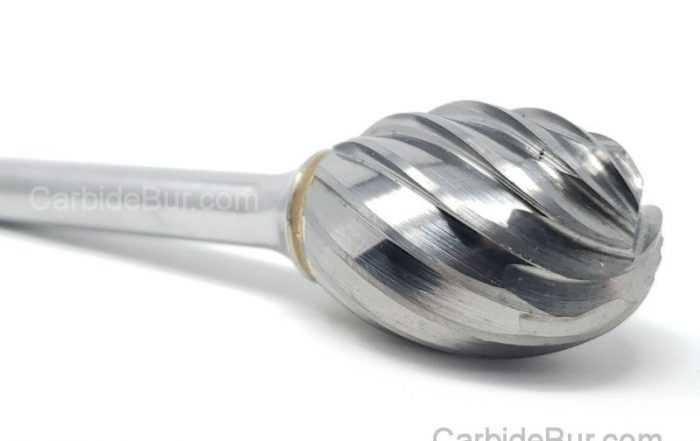
Can You Use Carbide Burrs With an Air Die Grinder?
Can You Use Carbide Burrs With an Air Die Grinder? Most people don’t realize how well carbide burrs work with air die grinders until they try them. If you’ve ever struggled with finding the right [...]
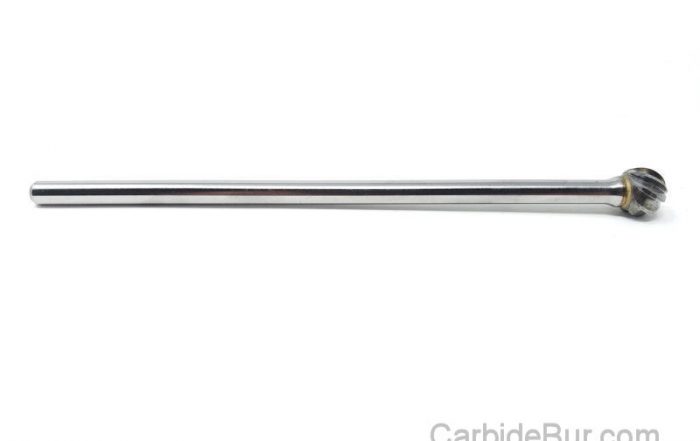
Best Long Reach Carbide Burr for Deep Metal Work
Best Long Reach Carbide Burr for Deep Metal Work Long reach carbide burrs often promise deep metal access, but many fall short where it counts most. You need a tool that cuts cleanly, lasts through [...]
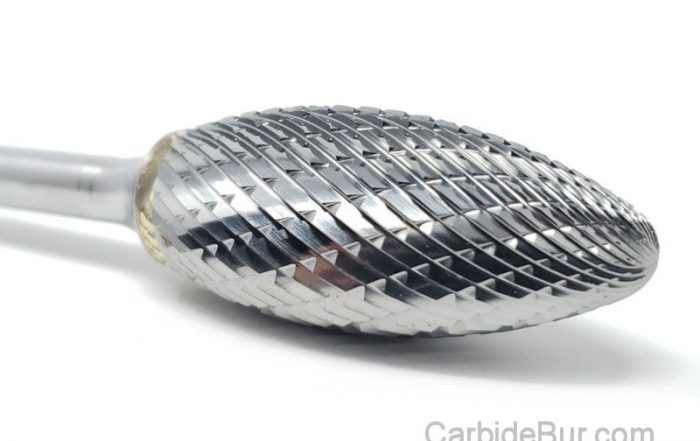
What RPM Should You Use for a 1/8 Inch Carbide Burr?
What RPM Should You Use for a 1/8 Inch Carbide Burr? Most people guess the right carbide burr RPM by feel—and waste hours redoing work. If you want cleaner cuts and longer tool life, your [...]
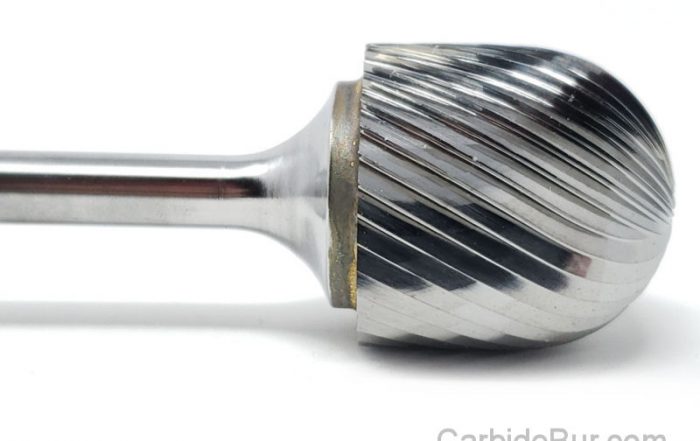
Carbide Burrs for Tight Spaces: Choosing the Right Shape
Carbide Burrs for Tight Spaces: Choosing the Right Shape Tackling tight spaces with the wrong carbide burrs wastes time and risks damaging your work. Choosing the right burr shape makes all the difference when working [...]
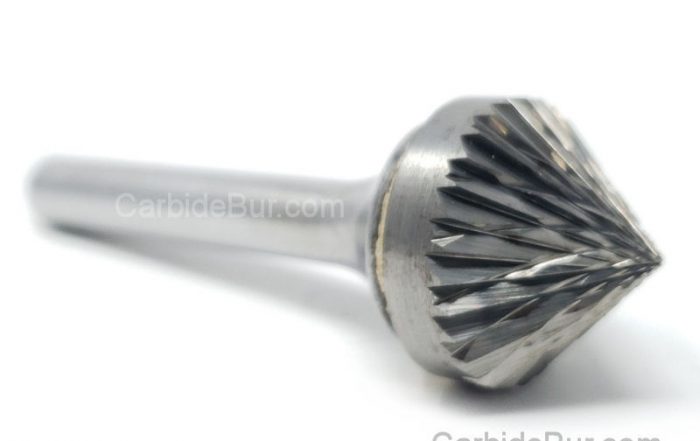
Can Carbide Burrs Remove Paint From Metal?
Can Carbide Burrs Remove Paint From Metal? Stripping paint from metal often feels like a tough chore that risks damaging the surface underneath. Many turn to carbide burrs hoping they can speed things up without [...]
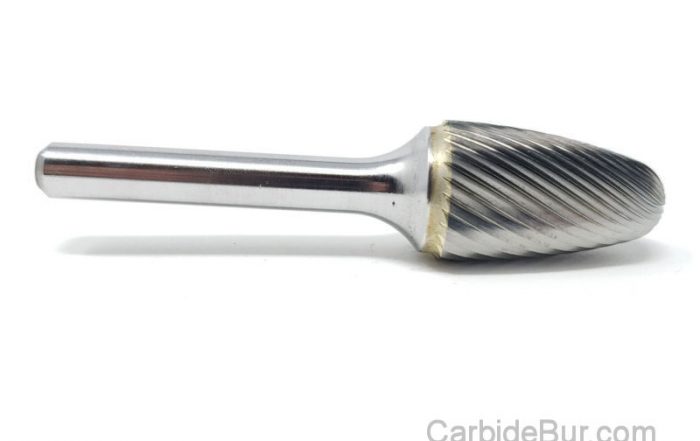
How to Grind a Groove in Metal With a Carbide Burr
How to Grind a Groove in Metal With a Carbide Burr Most metalworkers struggle to cut clean grooves without wasting time or ruining their workpiece. Many try different metalworking tools but end up with uneven [...]
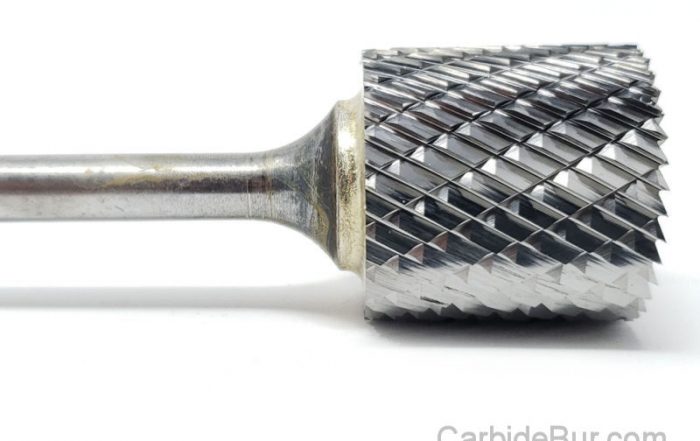
Can Carbide Burrs Cut Through Welds?
Can Carbide Burrs Cut Through Welds? Cutting through welds can feel like a battle, especially when you need clean results without harming the base metal. Carbide burrs offer a sharp edge in this fight, but [...]
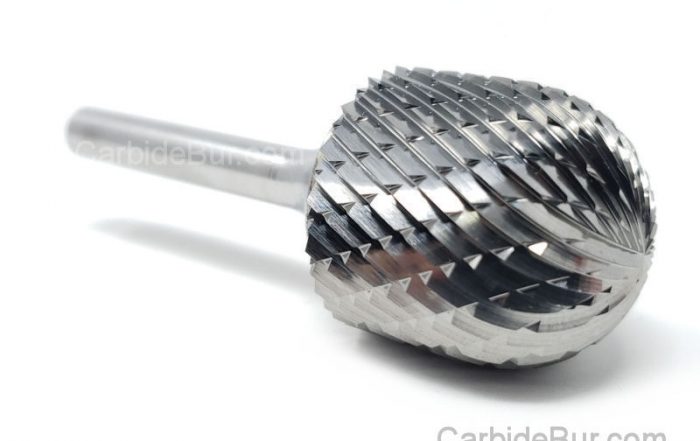
How to Use a Carbide Burr With a Die Grinder
How to Use a Carbide Burr With a Die Grinder Most people treat a carbide burr like just another tool, but using it with a die grinder takes skill. If you’ve struggled with burr installation [...]
1/8 vs 1/4 Inch Carbide Burrs: What’s the Difference?
1/8 vs 1/4 Inch Carbide Burrs: What's the Difference? Choosing between a 1/8 inch carbide burr and a 1/4 inch carbide burr can change how your project turns out. Many machinists and hobbyists overlook how [...]
