
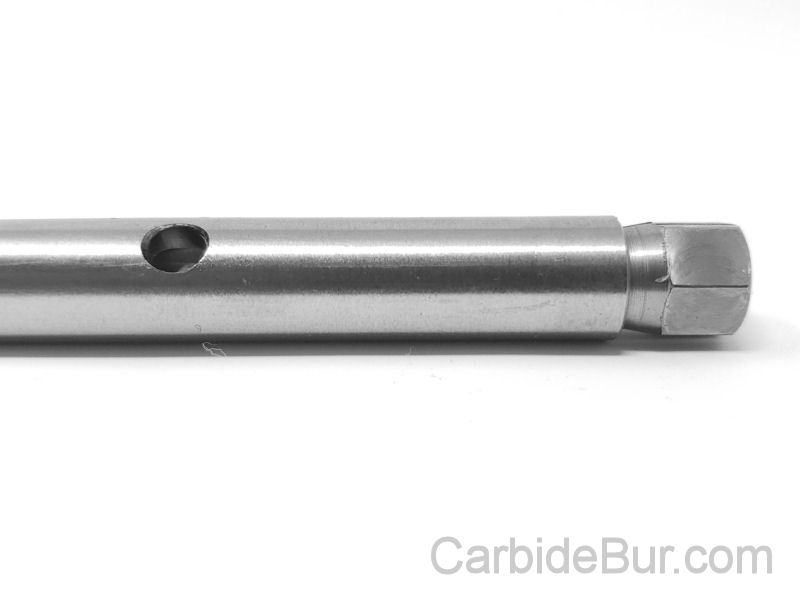
4″ Die Grinder Extension Tool
Our 4″ die grinder extension tool is in stock and ships SAME DAY ordered.
The extension tool allows you to have an extra 4″ reach for your our carbide bur die grinder tool bits
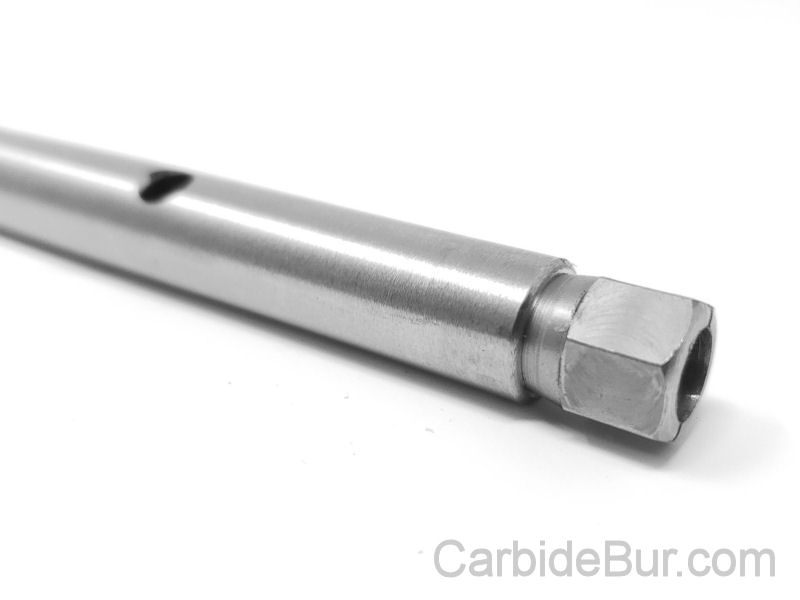
Click here to order our 4″ Extension Tool

In stock and ships SAME day ordered with delivery tracking

Need an extra collet for your EX9 or EX4? Get yours today for only $23.95
Enhance Die Grinder Efficiency with Our Carbide Bur Die Grinder Extensions
In the world of metalworking, precision and efficiency are paramount, especially when dealing with intricate projects that demand meticulous attention to detail. Enter the game-changing solution: our carbide bur die grinder extensions. Designed to provide an additional 4″ reach, this essential accessory transforms your die grinder into a more versatile tool, ideal for tackling those hard-to-reach grinding tasks that often pose challenges. By enhancing your maneuverability in confined spaces, these extensions not only boost the overall effectiveness of your grinding tools but also ensure you achieve flawless, detailed finishes with ease. In this post, we’ll delve into how these die grinder extensions can elevate your craft, offering insights and tips for metalworking professionals and hobbyists alike. Learn more.
Introduction to Die Grinder Efficiency
Mastering die grinder efficiency is crucial for anyone involved in metalworking. This section explores why tools like die grinder extensions are indispensable, providing a closer look at carbide bur tools and the advantages of extended reach.
Importance of Die Grinder Extensions
Die grinder extensions play a vital role in enhancing the functionality of your grinding tools. They offer an extended reach that is often necessary for accessing tight or awkward spaces. This added length allows you to maximize the potential of your die grinder, which is essential for achieving high-quality results with minimal effort.
With a die grinder extension, you can maneuver more freely, reducing fatigue and time spent on each project. This efficiency is particularly important in metalworking, where precision is key. These accessories transform a standard grinder into a more versatile tool, enabling you to tackle complex tasks with ease.
Incorporating a die grinder extension into your setup can lead to better outcomes, whether you are a professional or a hobbyist. It ensures that your projects meet the highest standards of accuracy and detail.
Overview of Carbide Bur Tools
Carbide bur tools are a staple in metalworking, known for their durability and precision. Made from high-quality carbide, these tools can withstand the intense heat and pressure of grinding, making them ideal for intricate tasks.
Carbide burs come in various shapes and sizes, each designed for specific applications. Their robust construction ensures long-lasting performance, reducing the need for frequent replacements. This durability makes them cost-effective, a crucial factor for professionals managing multiple projects.
The versatility of carbide bur tools allows them to be used on various materials, including steel, aluminum, and wood. This adaptability makes them a valuable addition to any metalworking toolkit. For more information on carbide bur tools, visit carbideburr.net.
Benefits of Enhanced Reach
An enhanced reach is one of the primary advantages of using die grinder extensions. These extensions provide an additional 4″ reach, making it easier to access hard-to-reach areas. This capability is crucial for achieving detailed finishes in confined spaces.
With an extended reach, you can work more efficiently, reducing the time and effort needed to complete a project. This efficiency allows for more projects to be completed in less time, increasing overall productivity.
Additionally, the enhanced reach improves safety by allowing you to maintain a comfortable working distance from the tool. This positioning reduces the risk of injury, ensuring a safer working environment. For more insights, explore this guide.
Understanding Tool Extensions
Understanding the different types of tool extensions and how to choose the right one is essential for optimizing your metalworking projects. This section provides an overview of the various options and offers practical advice on installation and usage.
Types of Grinder Extensions
There are several types of grinder extensions available, each serving a specific purpose. Common types include straight extensions, which are ideal for general use, and flexible extensions, which offer greater maneuverability.
-
Straight Extensions: Best for standard applications, providing a steady and controlled reach.
-
Flexible Extensions: Allow for bending and twisting in tight spaces, ideal for complex projects.
-
Right Angle Extensions: Perfect for tasks requiring angular approaches, enhancing versatility.
Choosing the right type of extension depends on your specific needs. Consider the nature of the project and the working environment to determine the most suitable option.
Choosing the Right Tool Extension
Choosing the right tool extension requires careful consideration of several factors. First, assess the specific needs of your project, such as the required reach and flexibility.
Evaluate the material and design of the extension, as this will impact durability and performance. High-quality materials like steel or heavy-duty plastic can withstand repeated use without degrading.
Additionally, consider compatibility with your existing tools. Ensure that the extension fits securely with your grinder and tool bits. This compatibility is crucial for maintaining performance and safety.
Installation and Usage Tips
Proper installation and usage are vital for maximizing the benefits of tool extensions. Follow these steps for successful integration:
-
Ensure Compatibility: Check that the extension is compatible with your grinder and tool bits.
-
Secure the Connection: Tighten all connections to prevent slippage during use.
-
Test the Setup: Run the grinder briefly to ensure smooth operation.
Using these tips can enhance the performance and longevity of your tool extensions, contributing to more effective grinding.
Click here to order our 4″ Extension Tool
Precision Grinding in Hard-to-Reach Areas
Precision grinding in confined spaces requires the right techniques and tools. This section explores strategies for tight spaces, achieving detailed finishes, and ensuring safety with tool extensions.
Techniques for Tight Spaces
Working in tight spaces requires specific techniques to ensure precision and efficiency. One approach is to use flexible extensions that allow for better maneuverability.
Another technique is to adjust the grinder’s speed to prevent accidental over-cutting. Slower speeds can provide more control, reducing the likelihood of mistakes. Additionally, using smaller tool bits can offer greater accuracy in confined areas.
Practice is key to mastering these techniques. Regular use will improve your skill, leading to better results over time.
Achieving Detailed Finishes
Achieving detailed finishes in metalworking involves a combination of the right tools and techniques. Use carbide bur tools for their precision and durability. These tools are designed to handle intricate tasks with ease.
Focus on maintaining a steady hand and consistent pressure throughout the grinding process. This control ensures that the finish remains smooth and free of imperfections. Employing a guide or template can also assist in achieving uniform results.
By prioritizing detail and precision, you can elevate the quality of your projects, ensuring they meet the highest standards.
Tool Extension Safety Considerations
Safety is paramount when using tool extensions. These accessories can significantly enhance performance, but they also pose risks if not used properly.
-
Always wear protective gear such as gloves and goggles.
-
Ensure all connections are secure before use.
-
Avoid overextending the tool, which can lead to instability.
By adhering to these safety considerations, you can work with confidence, knowing that you are minimizing potential hazards.
Enhancing Metalworking Projects
Enhancing metalworking projects involves understanding the applications for both hobbyists and professionals. This section provides insights into successful case studies and tips for maximizing grinding efficiency.
Applications for Hobbyists and Professionals
Die grinder extensions are valuable for both hobbyists and professionals. They offer enhanced reach and control, making them suitable for a wide range of applications.
Hobbyists can use these tools to refine their craft, tackling detailed projects with greater precision. Professionals benefit from the increased efficiency and versatility, which can lead to faster project completion.
The adaptability of these extensions makes them an essential addition to any metalworking toolkit, regardless of the user’s experience level.
Case Studies of Successful Projects
Examining case studies of successful projects can provide valuable insights into the effective use of die grinder extensions.
-
A professional automotive restorer used a flexible extension to access tight engine compartments, significantly reducing repair time.
-
A hobbyist sculptor utilized a right-angle extension to achieve intricate details on metal sculptures, enhancing the final product’s quality.
These examples highlight the versatility and efficiency of die grinder extensions, showcasing their impact on various metalworking projects.
Tips for Optimal Grinding Efficiency
To achieve optimal grinding efficiency, consider the following recommendations:
-
Regularly inspect and maintain your tools for consistent performance.
-
Practice proper technique to improve accuracy and reduce errors.
-
Choose the right tool bit and extension for each project.
By implementing these tips, you can enhance your grinding efficiency, leading to better outcomes and increased productivity.
Maximizing Your Tool Investment
Maximizing the return on your tool investment involves proper maintenance and awareness of future innovations. This section provides guidance on maintaining grinding tools and troubleshooting common issues.
Maintenance of Grinding Tools and Accessories
Proper maintenance is essential for prolonging the life of your grinding tools and accessories. Regular cleaning and inspection can prevent issues before they arise.
-
Clean tools after each use to remove debris and buildup.
-
Check for signs of wear or damage and replace parts as needed.
-
Lubricate moving parts to ensure smooth operation.
Consistent maintenance helps maintain optimal performance and extends the lifespan of your equipment.
Troubleshooting Common Issues
When issues arise, effective troubleshooting can minimize downtime. Common problems include tool jamming or reduced performance.
-
Check Connections: Ensure all parts are securely fastened.
-
Inspect for Damage: Look for signs of wear or breakage.
-
Perform a Test Run: Identify the source of the problem by observing the tool in action.
By following these steps, you can quickly resolve issues and resume your work with minimal disruption.
Future Innovations in Die Grinder Technology
The future of die grinder technology promises exciting advancements. Innovations in materials and design are set to enhance performance and usability.
-
Expect more durable and efficient materials that extend tool life.
-
Look for ergonomic designs that improve user comfort and reduce fatigue.
-
Anticipate smarter tools with integrated technology for enhanced precision.
Staying informed about these innovations can help you make informed decisions about future tool investments.
Longer Reach with our 4″ Die Grinder Extension Tool
Carbide burs (burrs) are tools that are used for precision in cutting, grinding, and shaping the material
with which they are being worked. Additionally, they are used for deburring, where burrs, excess
materials, sharp edges, and weld beads are removed. Use carbide burs in industrial tools, such as air
tools (e.g., die grinders), engravers, flexible shafts, and pendant drills, as well as for hobbies (e.g.,
Dremel tools). Their uses are varied and diverse, such as jewelry work, metalworking, welding,
woodworking, and cover a range of industries, including aeronautics, aviation, automotive, dentistry,
and metal and stone working.
Carbide burs (burrs) are generally composed of titanium or tungsten; diamond is the only material on
the Mohs scale that is harder and also used for drill tips. This means they are ideal for multiple purposes
due to the fact that they maintain sharper cutting edges for longer periods of time due, and tolerate
higher temperatures without warping when you apply friction. Carbide burs (burrs) maintain their sharp edges 10-20 times longer than a stainless-steel bur (burr), depending on the
frequency of use and the materials used with.
Click here to order our 4″ Extension Tool
Carbide Bur Cutting Tools can be used on:
Aluminum
Brass
Bronze
Carbon fiber
Cast iron
Ceramics
Copper
Fiberglass
Gold
Hard rubber
Plastic
Platinum
Silver
Steel
Stone
Titanium
Wood
Zinc
Burs (burrs) come in a variety of shapes and sizes, each of which can be used for different purposes:
Arch ball/pointed nose – engraving, texturing, increasing hole size
Ball – concave cuts, hollowing, shaping, carving. Useful for wood, stone, metal engraving.
Ball nose cone – rounding edges, surface finishing, tight spaces, and angles.
Carbide Ball nose cylinder – contour finishing
Ball nose tree (also known as tapered) – concave cuts and rounding edges
Cone – rounding edges, surface finishing, tight spaces, hard to reach areas.
Cylindrical – contour finishing and right-angled corners
Cylindrical end cut – contour finishing
Carbide Cylindrical no end cut – contour finishing
Flame – channel work and shaping
Inverted cone – v-cuts and rear-side chamfering
Oval – die grinding and engraving
Pointed tree – concave cuts, rounding edges, access to hard-to-reach areas, and acute angles.
Rounded tree – concave cuts and rounding edges
Burs (burrs) also come in a variety of ranges, each of which has a specific benefit in their use:
Alloy-specific – heads have varying shapes used with certain metal alloys – used in the
aerospace/aviation industry
Base metal range – used for deburring on softer metals
Bolt remover range – used for the removal of broken studs
Foundry metal range – used for deburring on harder metals, stone, etc.
Inox range – specifically used with stainless steel
Locksmith range – used by locksmiths
Long shank range – general-purpose; long shafts useful for deeper, hard-to-reach areas
Miniature range – miniature heads useful for engraving and fine detail work
New geometry range – used for all general metal removal
Steel range – heads have specialized fluting to cut stainless steel
Universal range – general-purpose, best on metals such as copper, iron, nickel, and steel
Carbide burs (burrs) require a bit of special care to keep them performing optimally. To preserve the life
of your carbide burs, ensure your handpiece does not wobble. The speed of your rotary tool
should not exceed 35,000 RPMs, and speed should be gradually increased. Please note, however,
that higher speeds will prevent flute clogging inside the bur. If you apply too much pressure to the
bur (burr), the edges may chip, resulting in premature dulling.
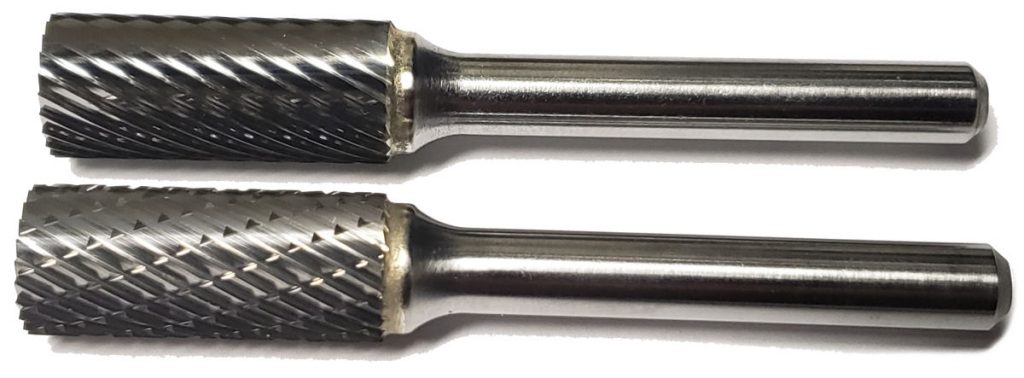
Choose Double Cut or Single Cut Carbide Bur?
Our double cut carbide burs allow for rapid stock removal in harder materials. The addition of the left hand flutes reduces the pulling action, allowing better operator control. Double cut reduces the size of the chips and can be used at slower than normal speeds.
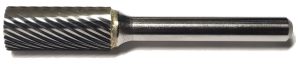
Our single cut carbide burs are for general purpose and designed for cast iron, steel, some copper and brass, and other ferrous materials. Single cut will give good material removal and good workpiece finishes.
Non-Ferrous Aluminum Cut Carbide Burs
Use our aluminum cut carbide burs on non-ferrous materials such as aluminum, copper and magnesium.
Our USA made carbide burs are used on hard materials including steel, aluminum and cast iron, all types of stone, ceramic, porcelain, hard wood, acrylics, fibreglass and reinforced plastics. When using aluminum cut burs on soft metals such as gold, platinum and silver, our burs are perfect because they will last a long time with no breaking or chipping.
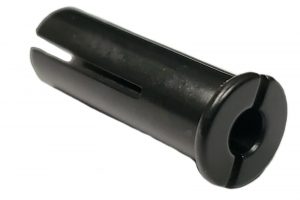
Try our 1/4” to 1/8” Collet Reducer
Allows you to use 1/8” shank carbide bits in your 1/4” collet router
Uses for Carbide Bur Die Grinder Bits
Carbide burs are widely used in metalworking, tool and die making, engineering, model engineering, wood carving, jewelry making, welding, chamferring, casting, deburring, grinding, cylinder head porting and sculpting. Carbide burs can be used in the aerospace, automotive, dentistry, stone and metalsmith industries.
All our USA made carbide bur cutting tools ship SAME DAY ordered by USPS Mail with online tracking.
We can also dropship the 4″ die grinder extension tool for you, if interested in joining our FREE dropship program.

We accept debit and all major credit card payments including Visa, MasterCard, Discover, American Express and PayPal. Fast and easy secure checkout with no account or login required. If you have any questions, visit our FAQ page or contact us here.

Follow us on Facebook, Twitter and Instagram

Return to CarbideBur.com
Carbide Burs – 1/4″ on 1/8″ Shanks – Accessories – Aluminum Cut – Bur Sets – End Mills – Long Shank – Solid Burs